
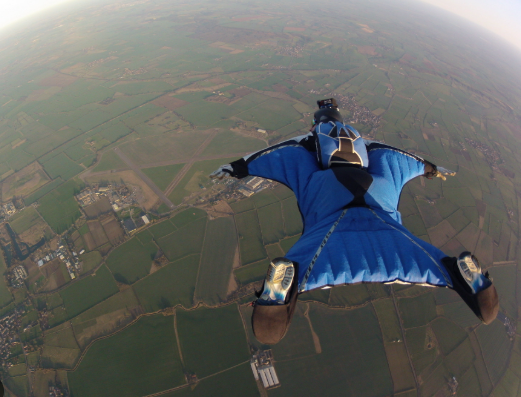
Wingsuit flying is an exhilarating way to experience the freedom of flight, allowing enthusiasts to glide gracefully through the sky. Understanding the glide ratio is essential for anyone wanting to master this thrilling sport, as it directly impacts your performance and safety during jumps. In this guide, we will break down the concept of wingsuit glide ratio in a simple and engaging manner.
1. What Is a Glide Ratio?
The glide ratio is a way to measure how efficiently a wingsuit can convert altitude into horizontal distance. Essentially, it indicates how far you can travel forward while descending. For example, a glide ratio of 2:1 means that for every 1 meter you descend, you can travel 2 meters forward. This ratio varies depending on the wingsuit’s design, the pilot’s skill, and external factors like wind conditions.
Understanding the glide ratio is crucial for planning your jumps. A higher glide ratio allows you to cover more distance while descending, which is particularly important when navigating towards a landing zone. Knowing your glide ratio can help you make better decisions in the air, such as adjusting your flight path or starting your descent at an appropriate altitude to reach your target.
-
- Familiarize yourself with different wingsuit types and their glide ratios.
-
- Practice flying with a specific glide ratio in mind.
-
- Monitor your descent to understand real-time glide performance.
-
- Track environmental variables like wind conditions for accurate glide estimates.
2. Factors Affecting Glide Ratio
Several factors play a role in determining a wingsuit’s glide ratio. First and foremost, the wingsuit’s design significantly impacts its performance. Modern wingsuits are engineered with materials and shapes that help maximize lift and minimize drag. Understanding how these designs function together can aid you in choosing the right wingsuit for your needs.
Another important factor is the pilot’s body position and technique. Maintaining an optimal body position can enhance your glide ratio, allowing you to fly more efficiently. For instance, arching your back and keeping your limbs extended can help you maintain the best aerodynamic shape. Practice different body positions to see how they affect your glide performance during jumps.
-
- Research various wingsuit models to find one with premium glide performance.
-
- Experiment with body positioning during practice jumps.
-
- Assess your angle of attack while flying to improve glide efficiency.
-
- Consult experienced pilots for tips on optimizing glide ratios.
3. Calculating Your Glide Ratio
To calculate your glide ratio practically, you’ll need to measure the horizontal distance traveled and the vertical distance descended. This can be done through a GPS device or altimeter during your wingsuit flights. For instance, if you descend 300 meters but travel 900 meters forward, your glide ratio will be 3:1.
It’s important to take several measurements in varying conditions to get an accurate average of your glide ratio. Wind conditions, weight, and experience level can alter performance, so gather data across different jumps. By consistently monitoring your glide ratio, you can make informed adjustments and enhancements to your flying techniques.
-
- Use a GPS device to record your horizontal and vertical distances.
-
- Perform multiple jumps to get an average glide ratio.
-
- Document your conditions, including wind speed and weight, for analysis.
-
- Review your data regularly to monitor improvements.
4. Improving Your Glide Ratio
Improving your glide ratio takes practice and awareness. One effective way to enhance it is through targeted training. Focus on specific maneuvers that help increase your efficiency, such as varying your body position or adjusting your flight path. Additionally, experimenting with different wingsuit designs could yield surprising results in your performance.
Gaining experience in various weather and wind conditions can also help. These experiences will not only improve your glide efficiency but make you a more adaptable wingsuit pilot. Always consider attending wingsuit flying workshops to gain insights from experts in the field.
-
- Engage in focused training sessions with specific glide techniques.
-
- Test various wingsuit designs for optimal glide performance.
-
- Practice navigation strategies for different landing zones.
-
- Participate in workshops or guided jumps with experienced pilots.
In conclusion, understanding and mastering your wingsuit glide ratio is essential for becoming a proficient pilot. By paying attention to various factors, calculating your glide ratio accurately, and implementing strategies for improvement, you can elevate your flying experience. Don’t hesitate to seek guidance from professionals as you embark on this thrilling journey in the skies!