
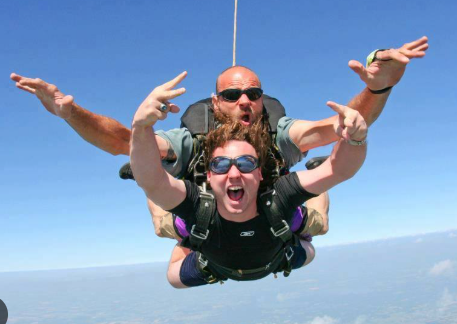
Skydiving is an exhilarating experience that offers an unparalleled rush as you leap from a plane and feel the thrill of freefall. However, before you take the plunge, it’s essential to understand how altitude can affect your body, particularly when it comes to altitude sickness. In this post, we’ll delve into the correlation between skydiving and altitude sickness to ensure you’re fully prepared for your adventure.
1. Understanding Altitude Sickness
Altitude sickness, also known as acute mountain sickness (AMS), occurs when you ascend to high altitudes and your body struggles to acclimate due to the reduced oxygen levels. Symptoms can include headaches, nausea, dizziness, and fatigue. While skydiving typically doesn’t involve extended exposure to high altitudes, the rapid ascent to altitude can still trigger symptoms in some individuals, particularly those who may be more susceptible.
For most experienced skydivers, the rapid changes in altitude during a jump won’t usually lead to significant altitude sickness. However, first-time jumpers or those with pre-existing conditions should be aware of their individual health status and any symptoms of altitude sickness they may have experienced in the past. Recognizing the symptoms early can be crucial in preventing severe issues.
-
- Be aware of personal health conditions that may increase susceptibility.
-
- Stay hydrated before your jump to help your body acclimate.
-
- Avoid alcohol and recreational drugs prior to skydiving.
-
- Listen to your body; take symptoms seriously and consult a doctor if unsure.
-
- Allow adequate rest between jumps, especially at high altitudes.
2. Recognizing Symptoms of Altitude Sickness
Knowing the symptoms of altitude sickness is vital for anyone considering skydiving. Symptoms can manifest quite suddenly after reaching a high altitude and may worsen quickly if ignored. The most common symptoms include a throbbing headache, shortness of breath, nausea, difficulties sleeping, and decreased appetite. Understanding these symptoms can help you react appropriately if they arise.
If you experience any mild symptoms after your skydiving ascent, it’s important to remember that they may escalate. Pay attention to your body and communicate with your instructor if you begin to feel unwell. Ignoring symptoms can lead to more severe altitude sickness, which can require immediate descent or medical attention. Skydiving facilities often have trained staff to assist you in recognizing and managing these symptoms.
-
- Monitor for headache and excessive fatigue after the jump.
-
- Stay attuned to your body’s responses during the ascension.
-
- Tell your instructor immediately if you feel unwell.
-
- Be proactive; drink fluids and avoid strenuous activity.
-
- Keep track of any changes in symptoms for your future jumps.
3. Preparing for Your Skydiving Adventure
Preparation is key when it comes to skydiving and avoiding altitude sickness. Proper hydration and rest are crucial before making the jump. Being well-rested ensures your body is in the best condition to cope with the physical demands of the experience. Additionally, consider avoiding heavy meals or alcohol right before your jump to reduce any potential discomfort.
Know the altitude you’ll be jumping from; most tandem jumps occur around 10,000 to 15,000 feet. This range can still affect those who are sensitive to altitude changes. To help mitigate risks, consider doing some light acclimatization activities before jumping, such as light exercise at higher elevations. These can help your body adapt better to sudden altitude increases during the jump.
-
- Stay hydrated the day before and the day of your jump.
-
- Avoid heavy meals on the day of your jump.
-
- Get plenty of rest the night before your adventure.
-
- Engage in light physical activity to help with acclimatization.
-
- Consult with a medical professional if you have health concerns.
In summary, while skydiving provides an unmatched thrill, awareness of altitude sickness is crucial for a safe and enjoyable experience. Always listen to your body and be prepared by understanding the symptoms and properly preparing before your jump. If you’re unsure, consult with a healthcare professional to ensure you’re ready to make your leap into the sky.