
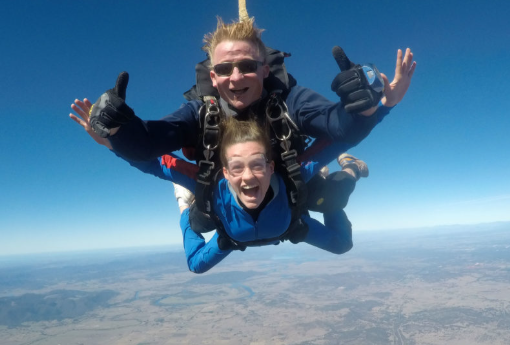
Many skydivers often wonder about the exhilarating experience of freefall—how long does it actually last? Understanding this brief but thrilling segment of the skydive can enhance your anticipation and help you prepare mentally. In this post, we’ll delve into the details of freefall duration and what you can expect during this breathtaking experience.
1. What is Freefall?
Freefall occurs when a skydiver jumps from an aircraft and descends rapidly without any parachute deployment. This phase is characterized by the sensation of weightlessness and intense adrenaline. Typically, freefall begins immediately after leaving the plane and lasts until the parachute opens, usually around 10,000 feet to 5,000 feet above ground level, depending on the type of skydive and conditions. For tandem skydives, the freefall lasts about 30 to 45 seconds.
During freefall, a skydiver’s body accelerates towards the ground due to gravity, eventually reaching terminal velocity, which is approximately 120 miles per hour for belly-to-earth position flyers. That means the thrill of falling feels much faster than it actually is, and each second is filled with exhilarating atmospheric rushes—ideal for those looking to push their limits and experience something extraordinary.
-
- Understand the sensation of weightlessness during freefall.
-
- Know the average freefall duration for your skydiving type.
-
- Familiarize yourself with terms like terminal velocity.
-
- Prepare mentally for the experience—it’s normal to feel excited and nervous.
2. Factors Affecting Freefall Duration
The duration of freefall can be influenced by several factors, including altitude, body position, and experience level. For example, when jumping from higher altitudes—like 15,000 feet—the freefall will last longer compared to a jump from 10,000 feet. Each additional foot increases the freefall time, giving you more moments of pure thrill in the sky.
Your body position also plays a significant role in how long you experience freefall. A belly-to-earth position maximizes drag and slows you down compared to a head-down position, which minimizes drag and accelerates you faster. Newer skydivers are typically advised to stay in the belly-to-earth position for stability, while experienced jumpers might enjoy experimenting with different orientations.
-
- Consider jumping from a higher altitude for longer freefall.
-
- Practice the belly-to-earth position for stability.
-
- Learn about body positions to experiment with your fall speed.
-
- Consult with instructors on altitude and orientation options.
3. What to Expect During Freefall
Experiencing freefall for the first time can be both thrilling and overwhelming. The unique sensations during this phase may include a rush of air, the sound of wind roaring past your ears, and an adrenaline rush unlike any other. Many also experience feelings of euphoria, often described as a mix of fear and excitement. It’s not uncommon to feel disoriented, but your instructor will walk you through adaptations to make your experience as enjoyable as possible.
Equally important is understanding the physical sensations that come with freefall, such as increased heart rate and altered perceptions of time. For many skydivers, time seems to stretch, making it feel like you’re falling for what seems like an eternity, despite the seconds ticking by. Preparing mentally for this can enhance the experience and help overcome any initial anxiety.
-
- Mentally prepare for intense sensations and emotions.
-
- Focus on breathing to stay calm during freefall.
-
- Enjoy the moment—take it all in and embrace the thrill.
-
- Listen closely to your instructor’s guidelines for a smoother experience.
4. Safety Measures During Freefall
While freefall is one of the most exhilarating aspects of skydiving, safety remains paramount. It’s crucial to adhere to safety protocols outlined during your training and pre-jump briefings. Understanding how and when to deploy your parachute can make a significant difference in ensuring a successful jump. Instructors will guide you through the timing of these crucial moments, ensuring that you remain safe while also enjoying the thrill of freefall.
Additionally, tandem skydives offer built-in safety considerations—especially for beginners. The experienced instructor guides the jump, managing all aspects of the fall and parachute deployment. Being aware of these safety measures can provide peace of mind, allowing you to truly immerse yourself in the beauty of freefall without unnecessary worry.
-
- Always follow safety protocols as outlined by your instructor.
-
- Understand parachute deployment procedures specific to your jump.
-
- Consider tandem jumping if you’re a beginner.
-
- Communicate any concerns with your instructor before the jump.
5. The Transition from Freefall to Parachuting
The transition from freefall to parachuting is a notable moment during the skydiving experience. As you fall towards the earth at approximately 120 miles per hour, the deployment of your parachute will create a dramatic shift in sensation—from the intense rush of freefall to the peaceful glide of parachuting. This transition typically occurs around 5,000 feet, though deployment may vary depending on conditions and the type of jump.
During this transition, the parachute opens with a jolt, slowing your descent significantly. This change in speed allows for a more serene and contemplative segment of the journey. Once the parachute is deployed, you’ll have the opportunity to take in the breathtaking views around you, enjoying the tranquility as you approach the landing zone.
-
- Be aware of the altitude at which your parachute will be deployed.
-
- Enjoy the contrasting sensations before and after parachute deployment.
-
- Stay focused on your landing—practice steering techniques with your instructor.
-
- Relax and appreciate the view once you’ve transitioned to parachuting.
In conclusion, understanding the duration and experience of freefall during a skydive can help prepare you for this exhilarating adventure. Whether you’re a first-time jumper or a seasoned pro, embracing the experience and following safety protocols can lead to unforgettable moments in the sky. So, why not take the thrilling plunge and embark on your skydiving journey today?