
Skydiving and paragliding both offer exhilarating flight experiences, but they come with distinct risks and safety considerations. Understanding these factors can help you choose the adventure that aligns best with your thrill-seeking nature but also prioritizes safety.
1. Understanding Skydiving Safety
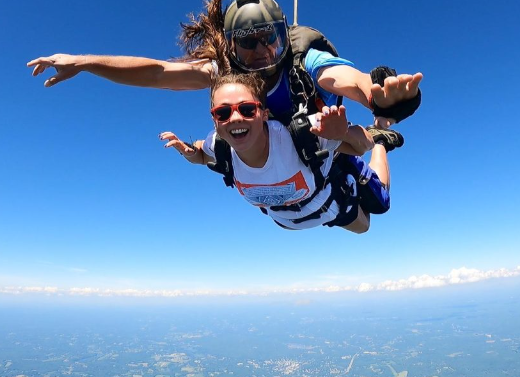
Skydiving involves jumping from an aircraft at high altitude and freefalling before deploying a parachute. The primary concerns for skydiving safety include equipment malfunction, landing injuries, and weather conditions. To mitigate these risks, skydivers undergo rigorous training and continually practice emergency procedures. Skydiving centers usually adhere to strict regulations set by governing bodies, ensuring equipment is regularly inspected and maintained.
One of the biggest factors influencing skydiving safety is the experience level of the jumper. New skydivers typically undergo tandem jumps with an experienced instructor, which can significantly reduce risk. However, as participants gain experience, they should continually refresh their knowledge and skills by practicing emergency techniques and attending regular safety briefings. Proper preparation and respect for the sport’s inherent risks play a crucial role in ensuring a safe jump.
-
- Always perform pre-jump equipment checks.
-
- Follow all instructions provided by your instructor.
-
- Stay updated on weather conditions before jumping.
-
- Attend regular training sessions and review emergency procedures.
2. Navigating Paragliding Safety
Paragliding allows pilots to soar with the wind using a lightweight, free-flying wing. Safety concerns in paragliding often revolve around equipment failure, air turbulence, and pilot inexperience. Paragliders rely heavily on weather conditions, as shifts in wind patterns can lead to rapid changes in safety. Leveraging local knowledge and understanding wind currents can help ensure a more enjoyable and safe flight.
An important aspect of paragliding safety is the pilot’s understanding of their equipment. Regular maintenance checks on the wing and harness, and ensuring they are free of wear and tear, can prevent accidents. Furthermore, learning to read the air conditions can significantly impact flight safety. Pilots should always stay aware of their surroundings and have escape routes planned in case conditions become unfavorable.
-
- Maintain and inspect your glider and harness regularly.
-
- Stay informed about the local weather and air currents.
-
- Always wear a helmet and other protective gear.
-
- Train under experienced instructors and practice regularly.
3. Comparing Emergency Procedures
Both skydivers and paragliders must be adept at handling emergencies, but the procedures differ due to the unique nature of each sport. In skydiving, emergency procedures often involve deploying a reserve parachute or performing a controlled landing. Skydivers undergo intensive training focusing on what to do when things don’t go as planned, which can be crucial for their survival. Regular practice of these emergency drills is essential, as it builds confidence and muscle memory.
Conversely, paragliders focus primarily on avoiding situations that necessitate emergencies. However, should issues arise, the response may involve decisions like choosing the safest landing spot considering current wind conditions. Knowing when to land early can prevent serious accidents. Pilots are also trained to manage situations like asymmetrical collapses and how to respond effectively, maximizing their chances of a safe return to the ground.
-
- Conduct regular emergency drills for both sports.
-
- Practice landing techniques in various scenarios.
-
- Understand your emergency procedures and commit them to memory.
-
- Participate in advanced training to enhance your skills.
In conclusion, both skydiving and paragliding offer unique experiences, but they come with distinct safety challenges. Educating yourself on best practices and maintaining a strong safety mindset will allow you to enjoy these incredible sports to the fullest. Always consult with professionals and invest time in training to ensure your adventures are both thrilling and safe.