
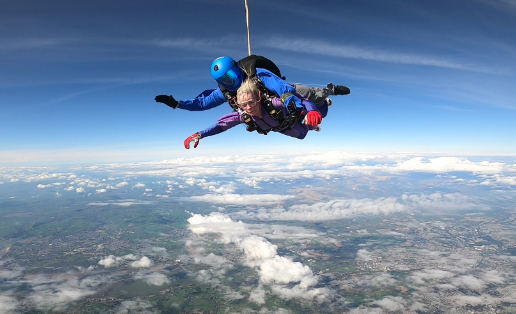
For many adventure seekers, skydiving represents the ultimate thrill. Understanding how freefall time works can enhance your experience, helping you prepare for the exhilaration of jumping from above. Using a freefall time calculator ensures you’re well-informed about what to expect during your descent.
1. What is Freefall Time?
When you jump from an aircraft, the moment you step out of the plane until your parachute opens is known as freefall. This time frame varies based on several factors, including altitude, weight, and body position. Typically, freefall lasts from 30 to 60 seconds for a standard jump from 10,000 to 15,000 feet, offering an adrenaline rush like no other.
In freefall, your body accelerates due to gravity, and eventually reaches a terminal velocity where air resistance balances the pull of gravity. For most skydivers in a stable position, this terminal velocity is approximately 120 miles per hour. The freefall experience is not just about speed; it’s also about the sensations of falling and the breathtaking views surrounding you.
-
- Understand your jump altitude—higher altitudes mean longer freefall.
-
- Your body position affects speed; a belly-to-earth position slows you down.
-
- Consider weather conditions which can impact your overall experience.
-
- Practice relaxation techniques to enjoy the moment instead of tensing up.
2. How to Use a Freefall Time Calculator
Freefall time calculators help you estimate the duration of your descent based on inputs such as jump altitude and weight. These calculators utilize known physics equations to give you a better idea of what to expect. By simply entering your jump details, the calculator will output the approximate time you will spend in freefall.
Using these calculators can assist both novice and experienced skydivers in adjusting their jump plans. For example, if you’re planning a jump at 15,000 feet and want to know the exact freefall duration before deploying your chute, a quick calculation will not only inform you but also prepare you mentally for the experience ahead.
-
- Input your jump altitude (e.g., 10,000 feet).
-
- Enter your weight, considering that heavier individuals may reach terminal velocity slightly faster.
-
- Review the output, but remember it’s an estimation; individual experiences may vary.
-
- Consult with instructors about any discrepancies in expected freefall time.
3. Factors Influencing Freefall Duration
While altitude and body weight significantly affect freefall time, several other aspects can also play a role. For instance, the body position you maintain during the descent will influence your speed. A streamlined position will reduce air resistance, enabling a faster freefall, while a spread-eagle stance will create more drag.
Environmental factors such as wind speed and direction can also affect your freefall experience. A headwind might slow you down, while a tailwind could speed you up. Understanding these elements allows you to anticipate changes in your freefall duration and make necessary adjustments during your jump.
-
- Experiment with different body positions during practice jumps.
-
- Stay informed about weather conditions on the day of your jump.
-
- Take classes or lessons on body control in freefall to optimize your experience.
-
- Monitor your freefall by keeping track of altimeter readings and descent speed.
4. Improving Your Freefall Experience
To enhance your freefall, consider engaging in specific training and preparation. For beginners, tandem jumps offer a great way to experience freefall without the complexities of controlling parachutes. As you gain experience, moving on to solo jumps can be exhilarating, and you will have the opportunity to track and improve your freefall time effectively.
Advanced skydivers sometimes employ additional techniques like tracking dives, where they can maneuver in freefall for greater lengths and control their speed. Engaging with a community of experienced skydivers can also provide invaluable insights and tips for maximizing your freefall experience.
-
- Enroll in a skydiving school for professional guidance and safety education.
-
- Join local skydiving clubs or forums for tips and shared experiences.
-
- Practice stability and control through regular jumps and exercises.
-
- Focus on your breathing to maintain a relaxed state during freefall.
5. Safety Measures to Consider
Safety should always be your top priority when skydiving. To minimize risks associated with freefall, ensure proper equipment checks before jumping. Your parachute system should be in excellent condition and suitable for your body weight and experience level. Additionally, familiarize yourself with emergency procedures so that you know what to do if something goes wrong during your jump.
It’s also essential to take weather conditions seriously—high winds or poor visibility can lead to dangerous situations. Always jump with certified professionals if you’re new, and engage in thorough pre-jump briefings to understand the jump plan. Never skip this preparation; it’s all part of ensuring a fun and safe experience.
-
- Conduct thorough gear checks before every jump.
-
- Communicate clearly with your jump instructor and team.
-
- Always have a backup parachute system in place.
-
- Stay informed about weather conditions and adjust your plans accordingly.
In conclusion, understanding freefall time and using a calculator will not only improve your skydiving adventure but also enhance your safety and enjoyment. Always take the time to research, consult professionals, and prepare thoroughly before jumping. Embrace the thrill of skydiving while respecting the intricacies involved, and you’ll surely have an unforgettable experience.