
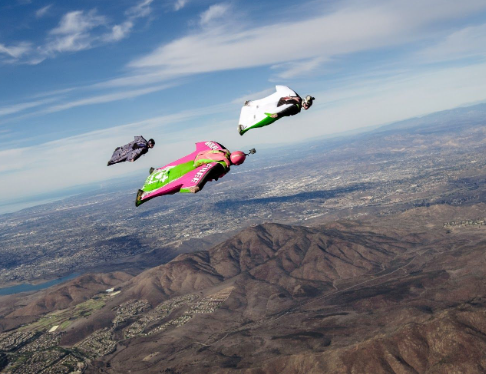
Skydiving can be one of the most exhilarating experiences of your life, but it’s important to understand the risks involved. Proper training is crucial in minimizing these risks and ensuring a safe, enjoyable jump. Not only does training enhance your skills, but it also builds confidence in your ability to handle various situations during the descent.
1. Understanding Skydiving Equipment
Before you take the leap, it’s essential to become familiar with the equipment you will use. The parachute system consists of two main components: the main parachute and the reserve parachute. Each component has its specific purpose and must be maintained regularly to ensure top performance. Make sure you understand how to pack and check your parachute before every jump; even minor mistakes can lead to severe consequences.
Your skydiving gear also includes an Automatic Activation Device (AAD), which is designed to deploy the reserve parachute if you are unable to do so manually. Familiarity with all equipment, including altimeters and jumpsuits, is vital in boosting your confidence and preparedness. A thorough briefing on equipment usage is part of proper training, ensuring you’re ready for launch.
-
- Take a class on equipment familiarization before your first jump.
-
- Practice packing your own parachute under supervision.
-
- Regularly check your equipment for signs of wear.
-
- Attend gear maintenance workshops offered by skydiving schools.
2. Importance of Ground Training
Ground training is an integral part of preparation for your skydiving adventure. During this stage, you will learn various essential skills, including body positioning during free fall and landing techniques. The knowledge gained during ground training is crucial for increasing your safety and performance. It equips you with the understanding of how to stabilize your fall and maneuver effectively in the air.
In addition, ground training typically includes emergency procedures and contingency planning. You’ll learn what to do in case of a situation such as a parachute malfunction, enabling you to react quickly and effectively. This foundational knowledge helps to alleviate anxiety and increases your readiness for the jump ahead.
-
- Participate in mock drills to practice emergency procedures.
-
- Spend time on body positioning techniques, both standing and lying down.
-
- Ask questions during ground classes to clarify any doubts.
-
- Review your notes and training materials regularly.
3. Engaging in Tandem Jumps and Supervised Training
If you’re new to skydiving, starting with tandem jumps is a great way to build your confidence and experience. During a tandem jump, you are securely harnessed to an experienced instructor who manages the jump, from free fall to landing. This controlled environment allows you to focus on enjoying the experience while also observing the instructor’s techniques and skills in action.
As you progress, participating in supervised jumps will further enhance your skills. An instructor will be available to monitor your performance and provide real-time feedback on your technique and decision-making. These supervised sessions are invaluable for building your competence and proving your ability to manage more advanced jumps independently.
-
- Schedule several tandem jumps to gauge your comfort level.
-
- Keep a log of your jumps and experiences for personal reflection.
-
- Seek feedback from instructors during your supervised jumps.
-
- Maintain open communication with your instructor about any concerns.
4. Continuous Learning and Skill Assessment
Skydiving is not just a one-time experience but requires continuous learning and skill assessments. After completing your initial training, join advanced courses to deepen your knowledge and enhance your skills. Courses can range from advanced free-fall techniques to formation flying, providing a variety of opportunities for growth and improvement.
Regularly assessing your skills and seeking feedback is important for maintaining safety standards in the air. Participate in training camps, workshops, or seminars hosted by professional skydivers to stay updated on industry best practices. This commitment to learning not only improves your skills but also informs you of new safety guidelines and advancements in equipment.
-
- Look for advanced training courses based on your interests.
-
- Attend regular workshops to keep updated on safety procedures.
-
- Engage in community discussions or forums for peer learning.
-
- Request feedback after each jump to identify areas for improvement.
5. Building a Supportive Skydiving Community
Having a supportive network is essential for any skydiver. Connecting with fellow skydiving enthusiasts provides not just a source of friendship but also the chance to learn from each other’s experiences. A strong community encourages sharing tips, insights, and advice that can further enhance your skydiving experience.
Being part of a community also means you can participate in organized jumps, trips, and other social events that make skydiving even more enjoyable. Furthermore, surrounding yourself with experienced skydivers will reinforce safety culture, making you more conscious of the practices that keep everyone safe during jumps.
-
- Join local skydiving clubs or forums to meet fellow enthusiasts.
-
- Participate in group jumps to build camaraderie.
-
- Share your experiences and learn from others in the community.
-
- Engage in social events organized by skydiving schools or clubs.
In conclusion, reducing skydiving risks through proper training is a multifaceted approach that encompasses equipment knowledge, ground training, tandem jumps, continuous learning, and community support. Embracing these elements not only enhances your skydiving experience but also ensures a safer environment. So, take the plunge and consult with a professional instructor to get started on your skydiving journey today!