
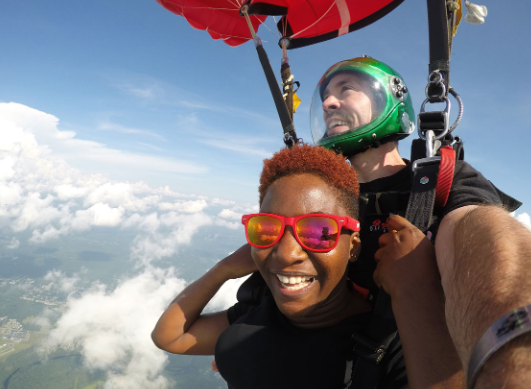
Wingsuit flying is an exhilarating sport that offers a mix of freedom, adrenaline, and breathtaking views. However, as with any extreme activity, beginners can easily make mistakes that can lead to dangerous situations. By understanding common pitfalls, you can ensure a safer and more enjoyable experience. Here are some significant mistakes to avoid as you embark on your wingsuit journey.
1. Underestimating Pre-Flight Training
One of the most common mistakes beginners make is underestimating the importance of thorough pre-flight training. It’s crucial to have a solid understanding of aerodynamics, body position, and the specific mechanics of wingsuit flying before you take to the skies. Many newcomers may think that knowledge from skydiving is sufficient, but wingsuit flying requires additional skill sets such as how to manage your fall rate and control your direction. Comprehensive training programs ensure that you are physically and mentally prepared for what lies ahead.
Moreover, pre-flight training also includes the importance of emergency protocols. Knowing how to respond in case your parachute fails or if you encounter unexpected turbulence can save your life. Experienced instructors often emphasize practicing these emergency situations extensively so that you can react instinctively in a high-pressure environment.
-
- Complete a formal wingsuit course with certified instructors.
-
- Practice body positions on the ground before attempting flight.
-
- Understand the mechanics of your wingsuit model.
-
- Engage in regular skydiving sessions to build foundational skills.
-
- Participate in simulator training programs if available.
2. Ignoring Gear Setup and Suit Fitting
Another critical mistake is neglecting proper gear setup and ensuring that your wingsuit fits correctly. Your wingsuit should be snug yet comfortable; a loose suit can severely affect your flight performance. For beginners, investing in quality gear that fits well is essential. A suit that flaps in the wind or feels constricting can lead to instability during flight, making you more susceptible to accidents.
Additionally, don’t overlook the significance of your parachute and other gear. Ensure that your parachute deployment system is thoroughly checked and meets safety standards. Familiarizing yourself with the equipment will not only boost your confidence but also improve your performance. Regular maintenance checks on your gear can prevent failures during flights.
-
- Ensure your wingsuit is tailored for your body size.
-
- Regularly inspect your parachute and deployment mechanisms.
-
- Conduct pre-flight checks to ensure all gear is functioning.
-
- Consider using a gear checklist before each flight.
-
- Seek advice from experienced wingsuiters regarding gear selection.
3. Flying Too Close to Terrain
New wingsuit flyers often underestimate the risks associated with flying near terrain. Being drawn to the thrill of flying close to cliffs, trees, or other landscapes can be tempting, but it’s vital to maintain a safe distance. The added adrenaline might cloud your judgment, leading to a dangerous miscalculation during your descent. Many accidents occur when beginners misjudge their speed or altitude and crash into obstacles.
To avoid such scenarios, always choose your flight path wisely. Familiarize yourself with the terrain and identify any potential hazards. Planning your route ahead of time will help you make informed decisions in-flight and avoid dangerous situations. If you’re unsure, select open areas for your flights until you gain more experience.
-
- Study the terrain prior to your flight.
-
- Maintain a safe distance from any obstacles.
-
- Use a GPS or map to plan your flight route.
-
- Choose a beginner-friendly location with ample space.
-
- Assess wind conditions at various altitudes before takeoff.
4. Skipping Post-Flight Analysis
Many beginners overlook the critical step of post-flight analysis, which is essential for continued improvement and safety in wingsuit flying. After each flight, it’s imperative to review your performance, identify what went well, and pinpoint areas needing improvement. This process builds a foundation for learning and refining techniques, as wingsuit flying is a complex sport that evolves with experience.
Additionally, discussing your flight with mentors or more experienced wingsuiters can provide new perspectives and insights that you may not have considered. This sharing of experiences can be invaluable in honing your skills and ensuring safety, especially when aiming for advanced maneuvers or new challenges.
-
- Keep a flight log for tracking your performance.
-
- Reflect on what worked and what didn’t in each flight.
-
- Engage with peers for feedback and suggestions.
-
- Set specific goals for your next flight based on analysis.
-
- Consider recording your flights for visual feedback.
In conclusion, wingsuit flying can be one of the most thrilling experiences in the world, but it requires great responsibility and care. By avoiding these common beginner mistakes, you’ll not only enhance your safety but also enjoy the journey ahead. Always remember to seek professional guidance and continue your education—each flight can teach you something new. Embrace the adventure!