
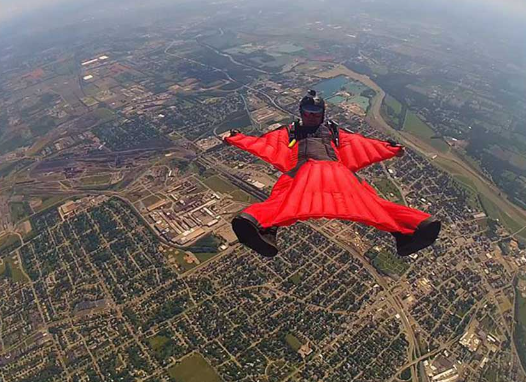
Wingsuit flying is one of the most exhilarating extreme sports, offering the thrill of soaring through the skies with the grace of a bird. However, embarking on a journey into this daring discipline requires adequate preparation and understanding of the necessary prerequisites. This blog aims to outline the course requirements and progression for those eager to explore wingsuit flying.
1. Prerequisites for Wingsuit Flying
Before you can slip into a wingsuit and take to the skies, there are certain foundational skills you must acquire. Most wingsuit flying courses require participants to have a solid background in skydiving. Commonly, you’ll need to complete at least 100 jumps, including a minimum of 50 jumps with your main canopy deployed and controlled landings. This experience ensures you have a firm grasp of freefall dynamics and the risks associated with skydiving.
Additionally, potential wingsuit flyers are encouraged to engage in extensive training programs that generally start with an Accelerated Freefall (AFF) course. This training covers critical safety procedures and teaches body position in freefall. Engaging in jump clubs or skydiving community activities can also bolster your knowledge and skills, allowing you to gain insights from seasoned flyers.
-
- Complete at least 100 skydives.
-
- Ensure you have at least 50 controlled landings.
-
- Participate in an Accelerated Freefall (AFF) course.
-
- Join skydiving clubs for support and training.
-
- Familiarize yourself with skydiving safety protocols.
2. Selecting the Right Wingsuit Course
Once you meet the prerequisite requirements, the next logical step is to find a suitable wingsuit course. Many skydiving schools offer specialized training programs tailored specifically for wingsuit flying. This training often involves both practical skydiving experience and classroom education, focusing on the unique dynamics of wingsuit flight. Look for schools with certified instructors who have extensive experience in wingsuit flying.
Courses typically include a combination of ground school, where you’ll learn about suit anatomy, flight mechanics, and emergency procedures, followed by several jumps in the wingsuit under instructor supervision. It’s essential to ascertain the instructor’s qualifications and experience before committing to a course, as this will directly impact the quality of your training.
-
- Research reputable wingsuit schools.
-
- Ensure instructors are certified and experienced.
-
- Ask for course outlines and training methods.
-
- Check for reviews or testimonials from past students.
-
- Verify insurance and safety practices of the school.
3. Progression and Skill Development
After successfully completing an introductory wingsuit course, your journey doesn’t end there. The path to becoming a proficient wingsuit flyer is marked by continual practice and skill refinement. As you complete jumps, focus on sessions that enhance specific skills such as maneuverability, stability, and controlled landings. Joining groups or local communities focused solely on wingsuit flying can provide you with invaluable mentorship and peer support.
Progression often includes jumping with different wingsuit models that offer varied performance characteristics. Gradually, as your proficiency improves, you may venture into more complex jumps, exploring different flying styles and formations with other experienced flyers. Documenting your jumps and seeking feedback plays a crucial role in your development, helping you track improvements over time.
-
- Continue practicing regularly to hone your skills.
-
- Experiment with various wingsuit designs.
-
- Seek mentorship from experienced wingsuit flyers.
-
- Engage in reflection and feedback after each jump.
-
- Consider participating in wingsuit competitions to challenge yourself.
4. Safety Considerations in Wingsuit Flying
Safety is paramount in wingsuit flying, given the inherent risks of the sport. As such, all wingsuit flyers need to adopt strict safety measures to mitigate potential dangers. This includes pre-jump checks of your gear, thoroughly understanding your wingsuit’s features, and maintaining adept skydiving skills. Always ensure that your parachute system is well-maintained and up to date.
Emergency procedures are a critical aspect of your training. Familiarize yourself with the problems that may arise during a flight, including planning for unexpected winds or equipment malfunctions. Having a trustworthy emergency plan, including a reliable backup parachute, is essential for enhancing your safety in the air.
-
- Perform thorough pre-jump gear inspections.
-
- Maintain your parachute system regularly.
-
- Understand and practice emergency procedures.
-
- Stay aware of weather conditions and potential hazards.
-
- Invest in a quality wingsuit from a reliable manufacturer.
In conclusion, wingsuit flying offers a thrilling and rewarding experience for daring adventurers. By understanding the requirements, selecting the right courses, and always prioritizing safety, you can successfully embark on this incredible journey. Don’t hesitate to reach out to professional trainers and fellow enthusiasts to take your first steps toward the skies!