
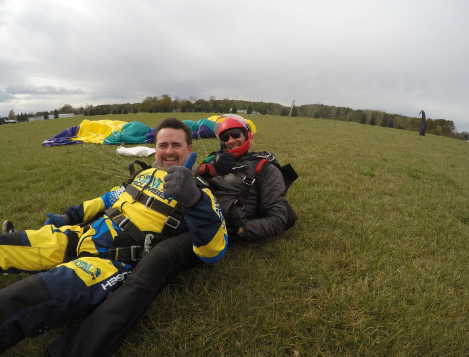
Skydiving is an exhilarating adventure, but it comes with its risks, including hard landings that can lead to injuries. Understanding the causes of hard landings and knowing how to prevent them is essential for every skydiver. This post sheds light on these crucial aspects to help you enjoy your freefall safely.
1. Understanding Causes of Hard Landings
Hard landings in skydiving can happen for various reasons, including misjudgment of altitude and weather conditions. Generally, a hard landing occurs when the skydiver descends too quickly or fails to flare their parachute effectively. This usually results from a combination of inexperience and lack of awareness during the landing phase.
Additionally, misjudging wind conditions can lead to hard landings. Strong winds may alter your flight path and speed, causing you to touch down harder than intended. Recognizing these factors is the first step in avoiding accidents and making your skydiving experience safer.
-
- Always check the weather conditions before your jump.
-
- Use a reliable altimeter to gauge your altitude accurately.
-
- Pay attention to wind speeds and directions.
-
- Practice landing techniques under supervision.
2. Proper Landing Techniques
Mastering good landing techniques is crucial in preventing hard landings. One of the most vital skills is learning how to flare your parachute properly just before touchdown. The flare is performed by pulling down on both toggles at the right moment to reduce your descent speed, allowing for a softer landing.
Practicing the “PLF” or Parachute Landing Fall technique can also help cushion your landing. This technique involves bending your knees upon impact while rolling to one side, which disperses the force of the landing across your body. A well-executed PLF can significantly reduce the risk of injury in case of an unexpected hard landing.
-
- Practice flaring your parachute in controlled environments.
-
- Learn and use the PLF during practice jumps.
-
- Seek guidance from experienced instructors on landing techniques.
-
- Perform landing simulations to build muscle memory.
3. Emphasizing Equipment Maintenance
Proper equipment maintenance is essential to ensure safety and minimize the risk of hard landings. Regularly inspecting your parachute, harness, and altimeter can help you identify any issues well in advance. Ensure that your equipment meets industry standards and is suited for your specific jump conditions.
Additionally, ensure that your gear is appropriate for your experience level. Newer skydivers may require different gear than seasoned divers. Using appropriate equipment can make a significant difference in the quality of your jumps and the likelihood of sustaining injuries during landing.
-
- Conduct pre-jump checks to ensure all equipment is functioning properly.
-
- Invest in reliable gear from reputable manufacturers.
-
- Get regular maintenance and servicing on your parachute.
-
- Replace any worn or outdated equipment promptly.
4. Seeking Continuous Training and Professional Guidance
Continuous training is a vital component of becoming a skilled skydiver. Engaging in regular training sessions will help improve your overall skills, including landing techniques. Also, seeking feedback from experienced instructors can provide you with crucial insights into areas where you may improve.
Consider participating in advanced skydiving courses that focus specifically on landing techniques and emergency protocols. These classes can provide you with practical knowledge and confidence to handle unexpected situations during your jumps.
-
- Sign up for refresher courses to update your skills.
-
- Participate in group jumps to learn from others.
-
- Maintain a relationship with your instructors for ongoing guidance.
-
- Regularly review landing strategy and safety protocols.
5. Developing Situational Awareness
Situational awareness plays a crucial role in avoiding hard landings. Understanding your surroundings, including the landing area, wind conditions, and other jumpers, allows for better decision-making when approaching the ground. Develop a habit of scanning your environment during descent to adjust your approach accordingly.
Moreover, employing basic tactical maneuvers can enhance your situational awareness. For instance, studying the landscape from altitude can help you identify suitable landing zones and potential hazards. With continuous practice, you’ll develop instincts that allow you to respond promptly in unforeseen situations.
-
- Practice situational awareness exercises during your jumps.
-
- Utilize the jump manifest and landing zone information available.
-
- Engage in discussions about experiences with fellow jumpers.
-
- Always approach landing zones with caution and situational awareness.
In conclusion, understanding the causes of hard landings and implementing preventative measures can greatly enhance your skydiving experience. By mastering landing techniques, maintaining equipment, and continuously training, you can minimize risks and ensure a safer adventure in the sky. Remember to seek professional guidance whenever necessary; your safety and enjoyment should always come first.