
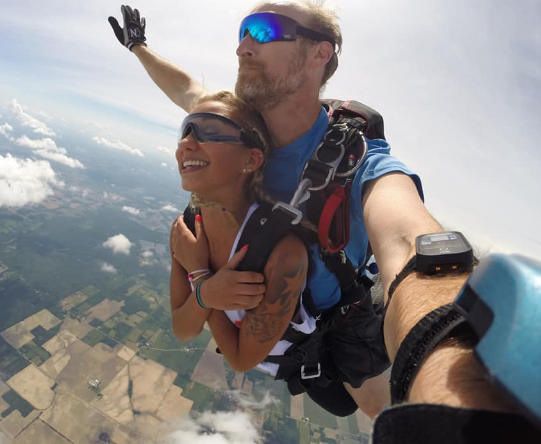
Skydiving is an exhilarating experience that many thrill-seekers crave, and capturing it on camera can turn a memorable jump into a lasting memory. However, diving with a camera adds layers of complexity and risk, making it essential to understand the rules and potential hazards associated with this higher-stakes activity.
1. Understanding the Risks
Skydiving with a camera increases the risk not only for the jumper but for other skydivers as well. The added weight and bulk of a camera can alter the jump’s dynamics, affecting stability and control during freefall. It’s crucial for jumpers to be experienced and confident in their abilities to manage these risks while also focusing on capturing the perfect shot.
Moreover, if the camera is not securely attached, it can become a projectile during the fall, posing a danger to both the jumper and those below. In extreme cases, a falling camera can potentially lead to severe injuries or even fatalities, reinforcing the need for caution when operating a camera while jumping.
-
- Always use a secure mount for your camera.
-
- Consider weight distribution; heavier cameras may throw off balance.
-
- Assess the drop zone and conditions before the jump.
-
- Use appropriate gear; ensure both your parachute and camera setup are safe.
2. Equipment Considerations
Choosing the right camera equipment for skydiving can significantly impact safety and performance. Smaller, lighter cameras or action cams are often preferred due to their compact size and durability. Popular options like GoPro models are designed for extreme conditions and can capture high-quality footage without compromising the jump.
Additionally, accessories such as protective housing, lens filters, and stabilizers can enhance video quality while ensuring that equipment remains securely attached during the jump. It’s essential to select gear that meets both your filming needs and safety standards to maintain a smooth jump experience.
-
- Opt for lightweight and compact camera options.
-
- Invest in protective cases to guard against impact.
-
- Use high-visibility colors for easy spotting in case of a drop.
-
- Check battery life and storage capacity pre-jump.
-
- Familiarize yourself with the equipment before the jump.
3. Regulatory Compliance and Best Practices
Skydiving with a camera isn’t just about personal safety—there are regulatory guidelines to adhere to as well. Professional skydiving organizations often have specific rules regarding camera jumps, including the certification levels required for jumpers who wish to film. Typically, you must be a licensed skydiver with several jumps under your belt before being allowed to use a camera.
Beyond legal parameters, best practices include notifying your jump instructor about your intentions to film. This communication helps ensure everyone is on the same page and that safety protocols can be adjusted accordingly. Skipping these steps may lead to complications that can jeopardize the safety of yourself and others in the air.
-
- Consult with your jump instructor about camera use.
-
- Verify your skill level meets the required standards for filming.
-
- Follow local laws and regulations regarding skydiving.
-
- Communicate with other jumpers to prevent collisions.
Skydiving with a camera is a thrilling venture that requires careful consideration of risks, appropriate equipment, and adherence to safety regulations. With the right preparation and respect for the sport, you can safely capture stunning footage while enjoying one of the most exhilarating experiences life has to offer. Remember to take these recommendations seriously to enhance your safety and solidify your skills in this adventurous pursuit.