
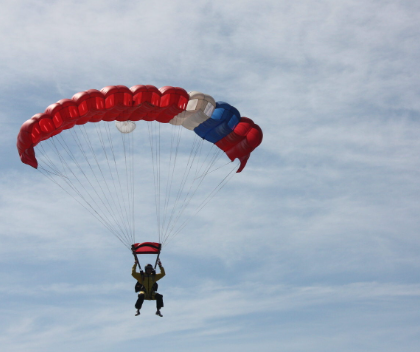
Skydiving is an exhilarating experience that requires utmost trust in the equipment used, especially the parachute. The rigorous testing and quality assurance processes ensure that parachutes are safe and reliable for every jump. In this blog post, we will explore how skydiving parachutes are tested for safety, ensuring that thrill-seekers can enjoy their adventures with peace of mind.
1. Initial Design and Material Testing
The journey of a skydiving parachute begins long before it ever takes to the skies. Manufacturers start with thorough research and development, focusing on the design, materials, and aerodynamics involved. Each canopy is constructed from high-strength nylon or similar materials, chosen for their light weight and durability. Testing these materials under various conditions—such as moisture, UV exposure, and temperature extremes—helps manufacturers determine their resilience and reliability in real-world conditions.
Once the materials are chosen, prototypes are created and put through rigorous design tests to evaluate their performance. Engineers assess factors such as stability, glide ratio, and opening speed under controlled conditions, in wind tunnels, or through computer simulations. By meticulously analyzing the design, they ensure that parachutes can withstand the forces they will encounter at high speeds and altitudes, which is vital for every skydive.
-
- Conduct material tests for strength and durability.
-
- Create wind tunnel prototypes to assess aerodynamics.
-
- Simulate different conditions to predict real-world performance.
-
- Analyze data to refine the parachute design.
2. Quality Assurance and Production Testing
Once the design is finalized, the next step involves mass production, where every parachute undergoes stringent quality control checks. During this phase, specific procedures ensure that each unit meets the established safety and performance standards. Each canopy is inspected for defects, and rigorous testing is conducted to ensure the stitching, seams, and overall craftsmanship can endure the demands of freefall and deployment.
Production testing often includes a series of system checks, where each parachute is subjected to static line deployments that mimic real jump conditions. This procedure allows manufacturers to verify that the parachutes deploy smoothly and function as intended. Any issues discovered at this stage are immediately addressed, either through design improvements or adjustments in production techniques, solidifying the safety of each parachute before it reaches the market.
-
- Inspect each parachute for manufacturing defects.
-
- Conduct static line tests to simulate freefall conditions.
-
- Ensure quality control measures are strictly followed.
-
- Issue certifications for parachutes that pass testing.
3. Real-World Testing and User Feedback
The final phase of parachute safety testing is the real-world application, where experienced skydivers put the parachutes through their paces. Skydiving schools and teams often conduct test jumps with new parachute models, collecting valuable data on performance and reliability in actual jump conditions. This empirical feedback is crucial as it provides insights that lab tests may not cover adequately, such as parachute behavior in turbulent air or diverse weather conditions.
User feedback is instrumental for manufacturers to continually enhance the products. If issues arise during jumps, whether it be slow deployment or instability, manufacturers investigate the root causes and implement changes to improve future designs. Careful observation and reporting from the skydiving community help ensure that safety remains the top priority in parachute manufacturing.
-
- Encourage user feedback from experienced jumpers.
-
- Conduct team jumps with new models for comprehensive testing.
-
- Analyze performance data to identify areas for improvement.
-
- Implement changes based on real-world experiences.
4. Regular Maintenance and Inspections
Even after a parachute has passed all testing phases, continuing safety practices are essential. Regular maintenance and inspections play a critical role in ensuring that parachutes remain safe for use over time. Skydivers are usually advised to inspect their gear before every jump, checking for wear and tear, frays, or any visible damage that could compromise safety upon deployment.
Many skydiving centers offer scheduled maintenance services where parachutes can be professionally inspected and re-packed. Additionally, adherent to manufacturer recommendations for servicing can help extend the lifespan of the parachute. By being proactive in maintenance, skydivers can significantly reduce the risk of malfunctions during jumps, thus enhancing overall safety.
-
- Conduct pre-jump inspections before every skydive.
-
- Utilize professional servicing to extend gear lifespan.
-
- Stay informed about manufacturer recommendations.
-
- Keep a log of usage to track wear and maintenance.
5. Compliance with International Safety Standards
Skydiving parachutes must meet stringent safety standards set by various international organizations, such as the United States Parachute Association (USPA) and the International Parachuting Commission (IPC). Compliance with these regulations ensures that parachute designs and materials have undergone rigorous safety evaluations and have been certified for use. Manufacturers are obligated to follow these guidelines to guarantee their products are safe for recreational use.
Moreover, adhering to these safety regulations is vital for skydiving centers, ensuring they provide only the best and safest equipment for their customers. Organizations also maintain a database of statistics on incidents, offering insights that drive improvements across the industry. By focusing on compliance, the skydiving community aims for continuous advancement in safety measures and equipment reliability.
-
- Stay updated on international safety standards.
-
- Ensure all gear is compliant with USPA and IPC regulations.
-
- Regularly attend safety seminars and workshops.
-
- Engage in community discussions on equipment safety.
In conclusion, the safety of skydiving parachutes is a result of meticulous design, rigorous testing, and ongoing maintenance. Investing time in understanding these safety measures ensures that skydivers can enjoy their thrilling experience with confidence. If you’re considering skydiving, always consult with professionals and choose reputable companies to enhance your safety and enjoyment.