
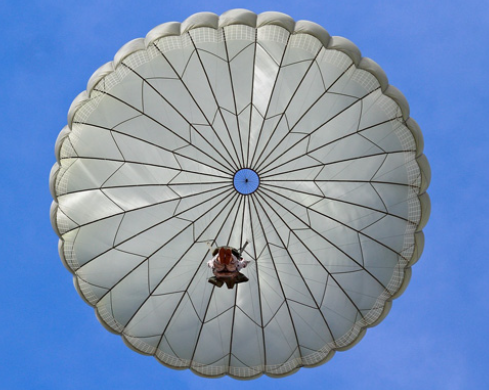
When it comes to parachuting, two popular types of parachutes are utilized: ram air and round parachutes. Each design has unique characteristics that serve different purposes, making them suitable for various parachuting activities. In this blog post, we will explore the key differences between ram air and round parachutes, looking at their designs, functionalities, and applications.
1. Design Differences
Ram air parachutes are rectangular in shape and feature a series of air chambers that inflate as they descend, creating an aerodynamic wing. This design allows for a more controlled and stable flight, providing the ability to maneuver while in the air. In contrast, round parachutes have a dome-shaped design and a simpler structure, typically allowing for less control but more reliability during descent.
The design of ram air parachutes gives them a distinct advantage in terms of performance. They can glide horizontally and allow for precise landings, which is particularly beneficial for skydivers and individuals engaged in aerial sports. In contrast, round parachutes are often used for simpler applications, such as military drops or emergency situations, where reliability is prioritized over maneuverability.
-
- Understand the shape: Ram air = rectangular; Round = dome-shaped.
-
- Consider the level of control: Ram air allows for precise navigation.
-
- Evaluate the purpose: Choose based on need for speed or reliability.
-
- Familiarize with the components, as they affect performance.
2. Functionalities and Performance
Ram air parachutes excel in functionality because of their advanced design features. They boast superior glide ratios, which means they can travel farther horizontally while descending vertically. This can be beneficial for experienced skydivers wanting to land on a precise target, thus enhancing the overall parachuting experience.
On the other hand, round parachutes offer a simpler but effective descent mechanism. Their reliability makes them an ideal choice for beginners or situations where precision landings are not critical. Because they descend more vertically, they can be used for heavier payloads without compromising safety. Understanding the strengths of each type helps in selecting the right parachute for specific scenarios.
-
- Identify the need for performance: Choose ram air for advanced skills.
-
- Consider safety: Round parachutes provide reliability in emergencies.
-
- Test the glide ratio if using ram air to ensure effective descent.
-
- Assess load capacity for round parachutes to handle heavier drops.
3. Applications in Parachuting
The applications of ram air parachutes extend into various fields, including skydiving, military uses, and even some forms of extreme sports. Their maneuverability allows paratroopers to execute tactical jumps, landing in designated zones with pinpoint accuracy. Meanwhile, skydivers take advantage of these parachutes to perform aerial tricks and stunts while safely gliding to the ground.
Round parachutes, however, are often found in military contexts as well, especially for logistical missions or emergency evacuations. Their simpler design means they can be produced at a lower cost, making them an excellent choice for situations that require mass deployment. Additionally, they are often favored for cargo drops, owing to their reliability and large surface area, which can handle heavier loads effectively.
-
- Choose ram air for precision in skydiving competitions.
-
- Utilize round parachutes in military operations for mass drops.
-
- Consider the activity when selecting parachute type (sport vs. cargo).
-
- Consult experts about performance requirements.
In conclusion, both ram air and round parachutes serve distinct purposes based on their designs and functionalities. Whether you are an experienced skydiver or simply interested in parachuting for the fun of it, understanding these differences can help you make informed decisions. Take your time to explore your options and consult a professional for the best guidance tailored to your specific needs.