
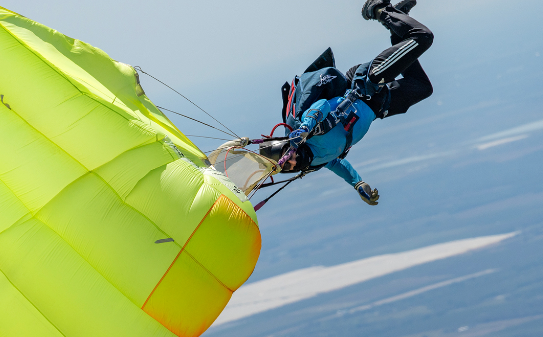
Skydiving is an exhilarating experience, but safety should always be the top priority. One of the critical aspects of maintaining safety in the air is to avoid mid-air collisions. Understanding the protocols and techniques can substantially reduce the risks associated with skydiving.
1. Pre-Jump Planning
Before you even step into the aircraft, proper planning is essential to ensuring a safe jump. This involves a thorough review of the jump plan with your fellow jumpers and instructors. Discussing the jump altitude, exit points, and potential landing areas is crucial in preventing collisions and misunderstandings. For instance, a clear communication plan can help identify who exits first and who follows, making the entire process seamless.
In addition, familiarize yourself with the skydiving drop zone. Knowing the layout, including possible obstacles and designated landing zones, helps inform decisions during the free fall and landing phases. It’s also beneficial to regularly practice emergency protocols so that you and your teammates can respond calmly if unexpected situations arise.
-
- Discuss exit altitude and fall rate with your team.
-
- Review landing zones and identify possible hazards.
-
- Establish communication signals before jumping.
-
- Ensure all equipment is functional and suitable for the jump.
2. Awareness During Free Fall
Once you’re airborne, maintaining spatial awareness is critical to avoiding collisions. During the free fall, the ability to keep an eye on your fellow jumpers significantly enhances safety. By observing the altitude of other divers, you can make informed decisions, such as adjusting your position in the air. Remember that in free fall, both speed and direction can change quickly, so staying vigilant is necessary.
Moreover, utilizing visual tools like the ‘Sky God’ or ‘Tracking’ techniques can help determine relative positions. Tracking involves moving your body in a specific direction during free fall to create distance from other jumpers. Regular practice of such techniques not only increases your agility but also offers other jumpers clear sightlines to avoid collisions.
-
- Keep your head up and scan the sky for other divers.
-
- Use tracking techniques to create space around you.
-
- Communicate with your jumpers about your movements.
-
- Be mindful of your speed and adjust accordingly.
3. Safety Protocols For Canopy Deployment
The moment you deploy your parachute is one of the most critical times where mid-air collisions could occur. Planning your deployment altitude is essential, as deploying too high can disturb others. It’s advisable to wait until reaching the designated altitude before deploying to avoid potential clashes. Clear communication about your deployment will help others maneuver around you safely.
Once your canopy opens, be aware of other canopies around you. The sky can become crowded, and if you notice another jumper closing in, be prepared to change your course to avoid them. Understanding how to maneuver your parachute can be instrumental—practicing turns or descending in a controlled manner can prevent collisions in high-traffic areas.
-
- Establish a clear deployment altitude with your jump team.
-
- Communicate with others before opening your canopy.
-
- Be prepared to maneuver your canopy away from collisions.
-
- Watch landing patterns to avoid congested areas.
By keeping these tips in mind, skydivers can maximize their safety while enjoying the thrill of falling through the sky. Always stay informed on best practices and consider attending safety courses to further refine your skills. Remember, safety isn’t just an individual responsibility; it’s a team effort!