
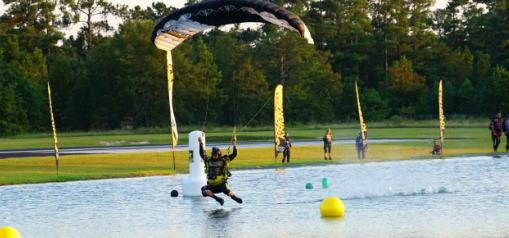
Skydiving is an exhilarating sport that draws thrill-seekers from all walks of life. One element that adds both excitement and risk to this adventure is the technique known as swooping. Understanding the risks and techniques involved can help you navigate this high-speed maneuver more safely and enjoyably.
1. Understanding Swooping Risks
Swooping refers to an advanced skydiving maneuver where jumpers make a rapid descent towards the ground, followed by a sharp turn to glide just above the surface before landing. While this technique can be visually stunning, it carries several inherent risks. One significant danger is losing control during the turn, which can result in collisions with the ground or obstacles, especially in crowded landing areas.
In addition to the risk of collision, swooping can cause serious injuries due to the high speeds involved. If a swooper miscalculates their trajectory or fails to account for wind conditions, they may land improperly. This can lead to ankle fractures, ligament tears, or worse. It is critical to be aware of these risks and prepare accordingly before attempting swooping maneuvers.
-
- Evaluate your skill level honestly.
-
- Always swoop in clear, open areas.
-
- Practice with experienced partners.
-
- Check weather and wind conditions beforehand.
-
- Wear appropriate protective gear, including a helmet.
2. Essential Techniques for Safe Swooping
To swoop safely, you need a solid foundation of skydiving skills. Start by mastering basic landing techniques and gradually progress to swooping. Once you have a solid grasp of your parachute’s handling characteristics, begin with controlled swoops. This means approaching the landing area at a moderate speed and executing gentle turns, gradually increasing your intensity as you build confidence.
Your body positioning plays a crucial role in maintaining control during a swoop. Keep your legs extended and maintain a flat body position to ensure efficient airflow and stability. Look ahead toward your landing point rather than down at the ground, as this will help you anticipate your landing area and make any necessary adjustments.
-
- Practice uniformly on flat, consistent ground.
-
- Always maintain awareness of your surroundings.
-
- Refine your aerial control before swooping.
-
- Use video analysis for feedback on your technique.
-
- Communicate with fellow divers about swooping plans.
3. Preparing for Swooping Success
Preparation is key when it comes to successful swooping. Before jumping, conduct a thorough pre-jump check. This includes inspecting your gear, particularly your canopy, to ensure it is functioning properly. Engage in warm-up exercises to loosen up your muscles and mentally visualize your approach to the landing area. This mental preparation can significantly boost your confidence and focus when it’s time to jump.
Additionally, connecting with a mentor who has experience in swooping can provide invaluable insights. These experts can offer tips on what to look for in the air and guide you through varied swooping scenarios. Learning from someone who has mastered the technique can make a big difference in your safety and success rate during swoops.
-
- Conduct a visual inspection of your equipment before each dive.
-
- Meditate or use visualization techniques before your jump.
-
- Find a mentor to improve your swooping skills.
-
- Stay in good physical shape to manage landings better.
-
- Document your jumps to track improvements over time.
Skydiving, especially the art of swooping, is very rewarding but requires diligence and care. By understanding the risks involved and practicing safe techniques, you can experience the thrill of swooping in a controlled and enjoyable way. Always remember to consult experienced skydivers or instructors as you refine your skills and push the limits of your skydiving capabilities.