
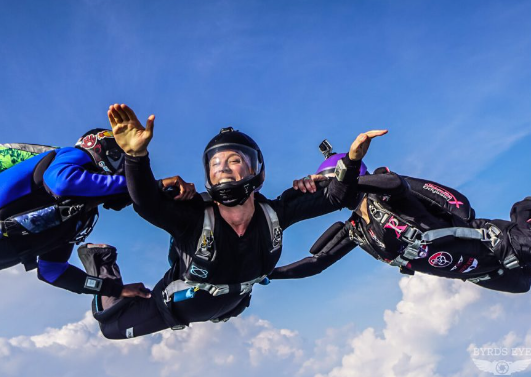
If you’re eager to take the plunge into skydiving, mastering body flight is essential for a safe and enjoyable experience. Body flight training will enhance your ability to control your descent, making every jump a thrill. Read on for some valuable tips that will boost your confidence and skills in the air!
1. Understanding Body Position
Your body position during freefall is crucial for stability and control. Properly positioning yourself helps manage your speed and orientation. Aim for a flat, horizontal posture with your arms slightly extended out to the sides and your legs spread hip-width apart. This creates a stable “wing” shape, which is essential for effective body flight.
When you jump, it’s natural for your instincts to kick in, causing you to curl up or move erratically. Instead, practice maintaining a relaxed and open position. A stable body position will help you control your fall rate and direction, making it easier to respond to wind conditions and navigate in the air.
-
- Practice lying flat on a yoga mat or trampoline to emulate body position.
-
- Balance your weight evenly by keeping your hips and shoulders aligned.
-
- Keep your chin slightly up to maintain a neutral neck position.
-
- Visit a wind tunnel for additional practice in a controlled environment.
2. Breathing Techniques for Air Control
Breath control plays a vital role in maintaining focus during freefall. When you’re comfortable and calm, you can better manage your body’s orientation and direction. Practice breathing deeply and steadily to create a sense of relaxation, which will help you to control your movements more effectively.
In the air, focus on your breath to stabilize your body and slow down your heart rate. If you find yourself tensing up, remind yourself to take deep, controlled breaths. This practice not only aids in your body flight but can also help mitigate the feeling of adrenaline rush that can be overwhelming for beginners.
-
- Practice deep-breathing exercises before your jump to calm your nerves.
-
- Inhale deeply through your nose and exhale slowly through your mouth.
-
- Focus on your breath during freefall to maintain composure.
-
- Use breathing techniques during ground training to reinforce relaxation.
3. Communication with Your Instructor
Effective communication with your skydiving instructor is fundamental to a successful training experience. Don’t hesitate to ask questions about techniques or express any concerns you have before, during, or after training. Knowing what to expect will help reduce anxiety and improve your confidence in the air.
Your instructor has a wealth of experience and can offer invaluable tips tailored to your skill level. After each jump, provide feedback and ask for a debriefing. Analyzing your performance together can highlight areas for improvement and reinforce what you did well. This back-and-forth dialogue will make your training more personalized and effective.
-
- Prepare a list of questions to discuss with your instructor before training.
-
- Be open about your feelings and concerns; communication helps build trust.
-
- Ask for specific drills to practice during your jumps.
-
- Request a debriefing after each jump to analyze your performance.
4. Practicing Ground Skills
Ground training is just as vital as skydiving in the air. Focus on practicing essential skills like falling safely, landing techniques, and altitude awareness on the ground. These exercises prepare you for real-world skydiving scenarios and build the muscle memory you’ll rely on once in freefall.
Additionally, mastering ground skills allows you to minimize risks during jumps. Start with learning how to roll safely upon landing and maintaining awareness of your surroundings. The better you are at these skills, the more confident you will feel once you are airborne.
-
- Attend all ground training sessions provided by your instructor.
-
- Practice landing techniques like “PLF” (Parachute Landing Fall).
-
- Simulate freefall base positions in low-risk environments.
-
- Study altitude recognition methods and practice them on the ground.
Skydiving is an exhilarating sport that offers a unique blend of excitement and challenge. By honing your body flight skills through these training tips, you’ll be well on your way to become a proficient skydiver. Remember, practice makes perfect, so don’t hesitate to seek guidance and continually improve your techniques.