
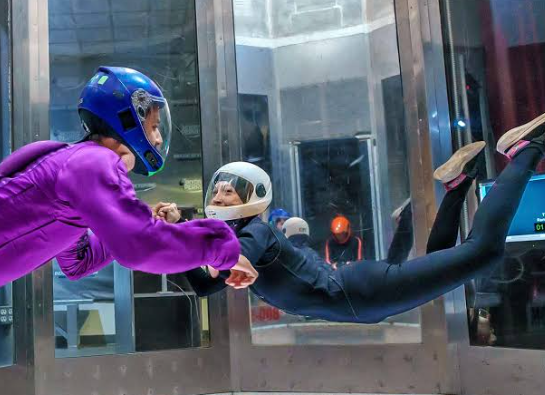
Wind tunnel training has become an essential part of the skydiving experience, whether you’re a beginner looking to master the basics or an experienced jumper aiming to refine advanced techniques. This complete guide will help you navigate the ins and outs of wind tunnel training, offering practical advice and tips to enhance your skydiving skills.
1. Understanding Wind Tunnels
Wind tunnels simulate free-fall conditions, enabling skydivers to practice their skills without the risks associated with jumping from an aircraft. The controlled environment of a wind tunnel provides a unique opportunity to focus on body positioning, stability, and control. Whether practicing a belly-to-earth position or experimenting with free-flying techniques, the wind tunnel is your playground for skydiving maneuvers.
Most modern wind tunnels offer adjustable wind speeds, which allows pilots to tailor their training sessions. For beginners, the wind speed can be set lower to help them become accustomed to the feeling of flying while still being safe. More experienced skydivers can increase the wind speed to practice advanced techniques. This versatility makes wind tunnels an invaluable tool for all levels of skydiving enthusiasts.
-
- Research local wind tunnel facilities before your visit.
-
- Book your training session in advance to ensure availability.
-
- Consider watching videos of various skydiving techniques to familiarize yourself.
-
- Dress comfortably; wear appropriate gear that allows free movement.
2. Benefits of Wind Tunnel Training
One of the most significant benefits of wind tunnel training is the enhanced safety it provides. By practicing in a controlled environment, you can learn and make mistakes without the serious consequences that can come from in-air training. Additionally, the ability to repeat maneuvers allows for instant feedback and improvement, which helps you build muscle memory quicker than traditional training methods.
Wind tunnel training is also incredibly efficient. A single hour in the tunnel can equate to multiple free-fall jumps, as the time spent in the wind more effectively solidifies skills like form, balance, and stability. This efficiency makes wind tunnels an invaluable asset for serious skydiving learners looking to maximize their practice time.
-
- Focus on specific skills during training sessions for better improvement.
-
- Take notes after each session to track what works and what doesn’t.
-
- Work with an instructor to get personalized feedback.
-
- Use wind tunnel sessions to prepare for upcoming jump events.
3. What to Expect During Your Training
When you arrive at the wind tunnel, the first step is typically a briefing session led by a certified instructor. This orientation usually covers safety protocols, techniques, and what you can expect during the session. Understanding the controls and the mechanics of how the wind tunnel works will significantly enhance your experience and comfort level.
During your training session, you’ll wear a flight suit and helmet, and your instructor will guide you through various exercises. You may start by floating, where you’ll practice stability and body position before moving into more complex maneuvers. After your session, debriefing is crucial; this is a great opportunity to review what you accomplished, what challenges came up, and what to focus on in the future.
-
- Arrive early to allow time for paperwork and orientation.
-
- Keep an open mind; be ready to learn and adapt.
-
- Ask questions during the briefing for clarity.
-
- Practice relaxation techniques to manage nerves during your flight.
4. Tips for Maximizing Your Wind Tunnel Experience
To get the most out of your wind tunnel training, preparation is key. Arriving well-rested and mentally focused can significantly impact your performance. Consider setting specific goals for each training session—whether it’s improving your stability or mastering a new trick. Having clear objectives will guide your practice and help you evaluate your progress over time.
Additionally, consider scheduling regular sessions to build continuity in your training. Frequent practice will help reinforce skills, making them second nature when you transition back to jumping out of an aircraft. Lastly, filming your sessions can offer valuable insights; reviewing video footage will help you see what aspects you need to work on, thus enhancing your learning process.
-
- Choose specific goals for each training session.
-
- Schedule regular sessions for continuous improvement.
-
- Use video footage to analyze your performance.
-
- Stay hydrated and maintain a balanced diet for optimum energy levels.
By understanding the fundamentals of wind tunnel training and its immense benefits, you can elevate your skydiving skills dramatically. Whether you’re a beginner or an experienced jumper, wind tunnel training is a valuable tool that can take your skills to new heights. So, take the plunge, book a session, and immerse yourself in the world of skydiving training today!