
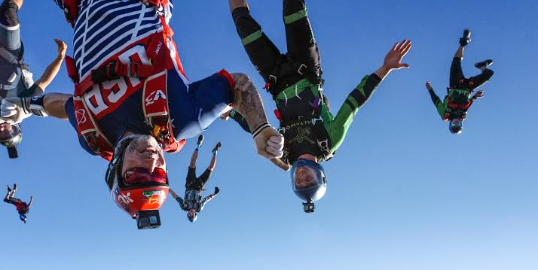
Freefalling can be one of the most exhilarating experiences in life, whether you’re skydiving or base jumping. However, maintaining stability during freefall is crucial for your safety and enjoyment. In this post, we’ll explore effective techniques to enhance your stability in the exhilarating world of freefall.
1. Understand Body Position
Your body position plays a pivotal role in achieving stability during freefall. Ideally, you want to maintain a flat, horizontal position, similar to a skydiver’s box formation. This allows air to flow evenly across your body, minimizing unwanted rotation or spinning. Keeping your head slightly forward and your arms and legs spread wide will help create a stable center of gravity.
To visualize this, think of yourself as a streamlined arrow. If you are pointing your toes and pulling your arms in, you will likely initiate a spin. Experimenting with different body shapes in a safe environment can help you discover the best position for your body type, as what works for one person might not work as effectively for another.
-
- Practice maintaining a horizontal position while in a controlled environment.
-
- Adjust your arm and leg positions slightly to find your ideal spread.
-
- Use mirrors or filming techniques to analyze body posture.
-
- Ask experienced jumpers to provide feedback on your positioning.
2. Mastering Movements and Adjustments
Once you’ve established a stable position, the next step is mastering minor movements. Small adjustments in your limbs can significantly affect your trajectory and stability. For instance, moving your arms slightly inward can help you rotate or tilt your body in a controlled manner. Conversely, if you’re tumbling or spinning, extending your arms and legs outwards can act as a brake, allowing you to regain your position.
Learning how to control your body movements in freefall is akin to learning how to ride a bike. Initially, you may wobble a lot, but with practice, you’ll find that subtle adjustments can lead to greater control. Regular practice sessions in an indoor skydiving facility can help you refine these movements without the wind resistance of actual freefall.
-
- Experiment with small movements to see how they affect your stability.
-
- Record your adjustments to analyze what works best.
-
- Focus on regaining stability rather than panicking if you start to spin.
-
- Engage in class exercises with instructors for structured learning.
3. Utilize the Wind and Environment
The wind plays a crucial role in your stability during freefall, and understanding how to use it can enhance your performance. Just as a surfer must learn to navigate the waves, a skydiver should learn to navigate the wind currents. Being aware of wind direction and speed can help you adjust your body position and terminate your freefall with greater ease.
For example, if you find yourself heading towards a stronger wind current, you may need to shift your body slightly against it to maintain your intended path. Being attuned to your environment allows for quick, instinctive adjustments, which can be the difference between a smooth landing and a rough experience. Familiarize yourself with common weather patterns and how they can affect your jump to better prepare for actual freefall experiences.
-
- Observe wind direction before and during your jump.
-
- Practice navigating through artificial wind tunnels.
-
- Attend workshops on aerodynamics and jump techniques.
-
- Keep a weather log to understand patterns affecting your jumps.
In summary, improving stability during freefall hinges on a proper understanding of body positioning, controlling your movements, and leveraging environmental factors. By applying these techniques, you can enhance your overall freefall experience. Whether you’re a novice or have some experience, remember that practice is key. Reach out to professionals for personalized tips, and don’t hesitate to take flight into the freeing skies!