
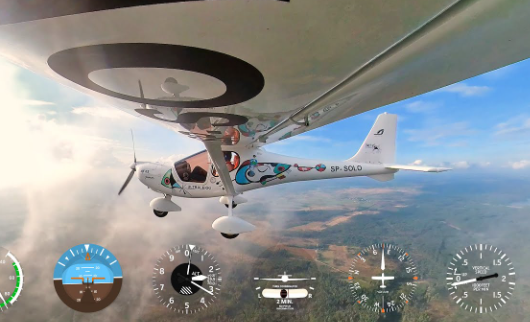
Analyzing GPS data from a wingsuit flight can provide invaluable insights into flight performance, trajectory, and overall safety. By understanding the intricacies of this data, wingsuit pilots can enhance their skills, make informed decisions, and minimize risks during their thrilling aerial adventures.
1. Understanding GPS Measurements
The first step in analyzing GPS data from a wingsuit flight is to grasp what the measurements are telling you. GPS devices log various data points, including position (latitude, longitude), altitude, speed, and even vertical descent rates. By reviewing these metrics, a pilot can identify key trends and changes during the flight, such as how their speed varies with altitude or how effectively they maintain a planned flight path.
For instance, if your data shows a steep descent rate without corresponding speed, it may indicate an uncontrolled fall, which could pose safety risks. Understanding these metrics allows pilots to differentiate between normal variations in flight and potential hazards, enabling them to adapt their flying techniques accordingly.
-
- Familiarize yourself with the GPS device settings.
-
- Record multiple flights to compare different data sets.
-
- Pay attention to altitude and speed variances.
-
- Analyze data against your flight plan.
2. Analyzing Flight Patterns
After gaining a basic understanding of GPS measurements, it’s vital to analyze the flight patterns. This involves looking at the trajectory throughout the flight, identifying starting point, flight path, and landing point in detail. Using data visualization tools can help create a clear picture of how the flight unfolded and where adjustments might need to be made. Markers on a map can showcase key points of interest, such as the highest point reached or the fastest speed achieved.
Moreover, comparing your current flight patterns with previous flights can reveal trends in your flying habits. If there’s consistent deviation from your planned path, this may indicate areas of improvement in maintaining control or optimizing aerodynamics. Recognizing and understanding these patterns is crucial for enhancing performance.
-
- Utilize software like Google Earth or specialized flight analysis apps.
-
- Identify high-speed sections and compare with steep descents.
-
- Look for patterns in your turns and maneuvers.
-
- Document changes made during each flight for future reference.
3. Safety Evaluation and Risk Management
Safety is paramount in wingsuit flying, and analyzing GPS data can significantly enhance it. By continuously evaluating your flight data for safety trends, you can determine if there’s an increased risk of incidents during specific maneuvers or circumstances. For example, if certain conditions lead to sharper declines in altitude, it’s critical to recognize these trends early and adjust flight strategies accordingly.
Moreover, by sharing data with fellow pilots or coaches, you can gain additional perspectives on your flying style. This collaborative analysis can lead to discovering safe flying practices that have worked for others in similar situations, enhancing your safety protocols and knowledge base.
-
- Regularly review previous flights for risk trends.
-
- Discuss data findings with fellow pilots or experts.
-
- Keep a record of conditions during each flight (weather, altitude, etc.).
-
- Establish safety checklists before each flight based on analysis.
In conclusion, analyzing GPS data from a wingsuit flight unlocks a wealth of knowledge that can significantly enhance safety and performance. By understanding measurements, evaluating flight patterns, and committing to a safety-first approach, wingsuit pilots can ensure they fly both exhilaratingly and safely. Consider investing time in data analysis and connecting with fellow aviators to further refine your skills.