
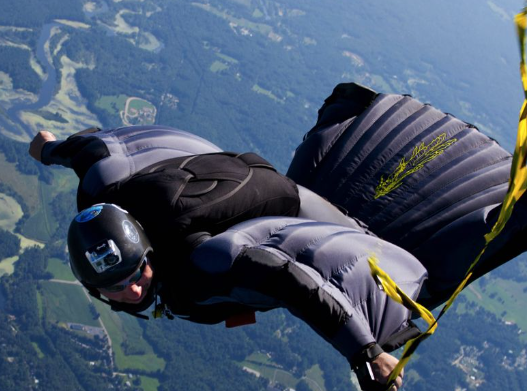
Wingsuit flying is an exhilarating sport that combines elements of skydiving and BASE jumping, allowing participants to glide through the air like a bird. Understanding performance metrics such as speed, distance, and glide ratio is essential for both novice and seasoned wingsuit pilots aiming to optimize their experience and safety.
1. Speed: Key to Control and Safety
Speed is one of the most critical performance metrics in wingsuit flying. It directly impacts stability and maneuverability. The average horizontal speed of a wingsuit pilot can vary significantly, ranging from 90 mph to over 140 mph, depending on various factors such as body position and environmental conditions. By maintaining optimal speed, pilots can ensure they have greater control during their flight, allowing for smooth transitions and safe landings.
Additionally, wingsuit pilots often manipulate their speed by adjusting their posture. A more streamlined position enables faster speeds while a spread-out posture can decrease velocity and increase lift, useful for maneuvering while aiming for landing zones at lower altitudes. Knowing how to adjust your speed effectively can be the difference between a thrilling adventure and a precarious situation.
-
- Practice maintaining optimal speed in different conditions.
-
- Learn how body position affects your speed and control.
-
- Regularly check your speed using an altimeter or GPS device.
-
- Always be aware of wind conditions; they can drastically change your speed.
2. Distance: Stretching Your Limits
Distance covered during a wingsuit flight is not merely a function of skill; it also depends heavily on the wingsuit design and the flying technique employed. Many wingsuit pilots aim for long-distance flights, which can stretch to several kilometers or more. That said, achieving these distances effectively requires understanding glide ratios—how far you can travel horizontally versus how high you drop vertically.
A good glide ratio can significantly enhance your distance. For instance, modern wingsuits can achieve glide ratios between 2.5:1 and 3.5:1, meaning for every meter of altitude lost, a pilot can glide 2.5 to 3.5 meters forward. Pilots can gain an understanding of their glide ratio through observation and experimentation while considering external factors like wind direction and terrain.
-
- Experiment with your wingsuit to find the most efficient glide ratio.
-
- Keep a log of distances for different suit designs and conditions.
-
- Plan your flight path ahead to optimize distance.
-
- Use GPS devices for accurate distance measurement.
3. Glide: The Art of Floating
Glide performance is the measure of how efficiently a wingsuit can transition altitude into forward motion. Understanding this metric can help you enhance your overall flying experience. A pilot who can manage their glide efficiently can enjoy prolonged flight times while maintaining control. Factors affecting glide performance include wingsuit design, pilot weight, and drag—it’s all about eliminating resistance.
-
- Focus on body alignment to improve glide efficiency.
-
- Investigate and invest in high-quality wingsuit designs tailored for glide.
-
- Conduct glide tests in controlled environments to assess your performance.
-
- Gather feedback from experienced pilots to refine your technique.
In conclusion, mastering wingsuit performance metrics—speed, distance, and glide—can greatly enhance your flying experience and safety. It’s important to continuously track and refine these metrics to optimize your adventures. For those serious about wingsuit flying, consulting with experienced professionals can be invaluable in helping you reach new heights—quite literally!