
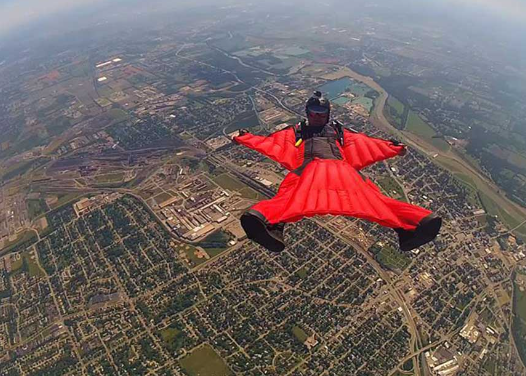
Wingsuit flying is an exhilarating sport that allows individuals to soar through the air, experiencing freedom like no other. Combining this adrenaline rush with drone filming opens up new avenues for capturing breathtaking visuals. However, understanding the intricacies of both activities is essential for safety and success.
1. The Basics of Wingsuit Flying
Wingsuit flying involves wearing a specialized jumpsuit designed to create lift and allow participants to glide through the air. Unlike traditional skydiving, where the aim is to free fall for as long as possible before deploying a parachute, wingsuit pilots aim to extend their flight duration and distance. It requires not only skill and training but also a strong understanding of physics, aerodynamics, and safety protocols.
Before flying, it is crucial to undertake comprehensive training. This often starts with a number of skydives to familiarize oneself with freefalling. Following a basic course, aspiring wingsuit flyers should transition to more specialized training from certified instructors, focusing on maneuvering and control in the wingsuit environment.
-
- Complete a skydiving course with certified instructors.
-
- Log a minimum of 100 jumps before considering wingsuit flying.
-
- Learn the nuances of your specific wingsuit model.
-
- Always check your equipment before each flight.
2. Understanding Drone Filming and Regulations
Drone filming can significantly enhance the wingsuit flying experience, capturing stunning aerial shots that were once impossible to achieve. High-resolution cameras mounted on drones provide spectacular perspectives and enable storytelling in ways that traditional filming methods could not. However, operating drones comes with its own set of rules and regulations to ensure the safety of everyone involved.
Before embarking on a drone filming session with wingsuit pilots, familiarize yourself with local laws governing drone use. Many countries and states have specific requirements for piloting drones, especially around populated areas or near airports. Securing the necessary permits and ensuring compliance with regulations not only enhances safety but also protects both the pilot and the drone operator.
-
- Research local drone regulations and requirements.
-
- Obtain all necessary permits before filming.
-
- Ensure that your drone is equipped with a high-quality camera.
-
- Establish clear communication with wingsuit pilots.
3. Best Practices for Safe Collaboration
Combining wingsuit flying and drone filming requires effective collaboration between the pilots and the drone operators. Both parties must communicate their intentions clearly to ensure a seamless and safe experience. A designated pre-flight briefing can help align everyone’s expectations and plan for potential hazards.
Moreover, utilizing ground-based spotters can provide additional safety and monitoring during flights. These individuals can watch the flight paths and communicate potential dangers, thus enhancing the overall safety of both the pilot and the drone operator. Safety should always be the primary concern when flying and filming in dynamic environments.
-
- Conduct a thorough pre-flight briefing for everyone involved.
-
- Utilize ground-based spotters to monitor live flights.
-
- Keep a safe distance between the wingsuit pilot and the drone.
-
- Develop a signal system for emergency situations.
4. Essential Gear for Wingsuit Flying and Filming
When preparing for wingsuit flying and drone filming, having the right gear is paramount. Wingsuit pilots typically wear a helmet fitted with a GoPro or similar camera, while also ensuring that their wingsuits are appropriately designed for aerodynamic performance. It’s beneficial for drone operators to use lightweight, high-quality drones with stabilization features to capture smooth and professional footage.
In addition to the wingsuit and helmet, other essential gear includes a reliable parachute system, backup parachutes, and safety gear such as altimeters and audible alarms. For drone operators, it is crucial to have spare batteries and propellers handy, as filming may require longer flight times than anticipated.
-
- Invest in a quality wingsuit and helmet with camera mounts.
-
- Always carry essential safety gear and backups.
-
- Choose a drone that offers stabilization and high-resolution filming.
-
- Prepare for weather conditions that may affect flight safety.
In conclusion, wingsuit flying combined with drone filming offers an exhilarating opportunity to capture breathtaking moments from the skies. By educating yourself on safety protocols, regulations, and essential gear, you can enjoy these thrilling adventures while ensuring the safety of all participants. Whether you’re a pilot or a drone operator, take the next step and get involved in this exciting world with proper preparation and a keen sense of adventure.