
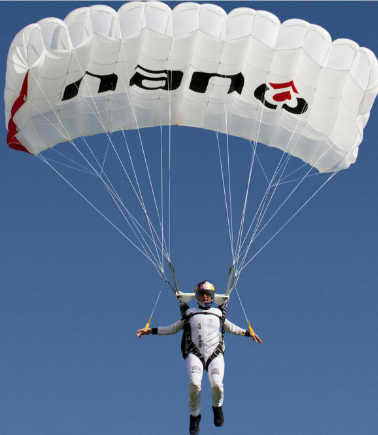
In the world of skydiving and aviation, safety is paramount. One of the most vital safety features for parachutists is the reserve parachute, designed to deploy in emergencies when the primary parachute fails. Understanding how reserve parachutes work can not only enhance safety but also build confidence in those who dare to take the leap.
1. The Mechanism of Reserve Parachutes
The reserve parachute operates as a backup to the main parachute. It is similar in design but often smaller and lighter. When a skydiver realizes that the main parachute won’t deploy correctly—due to tangles, failed deployment, or other malfunctions—they pull the reserve parachute’s deployment handle. This action initiates a series of mechanical processes that allow the reserve to open properly and safely. The main parachute is typically designed to open after a skydiver free falls for a few seconds, making it crucial for the reserve to deploy swiftly if needed.
The reserve parachute itself goes through extensive testing and must comply with strict regulations set by governing bodies, like the Federal Aviation Administration (FAA). This means that they are designed to open quickly and reliably under various conditions. A reserve parachute is packed by a certified rigger, ensuring that all components are in perfect working order, from the fabric to the deployment mechanism.
-
- Always have your reserve parachute packed by a certified professional.
-
- Regularly check the inspection dates on your parachute and its components.
-
- Familiarize yourself with the deployment sequence of your reserve parachute.
-
- Practice emergency procedures in a controlled environment.
2. Deployment Process in Emergencies
The deployment of a reserve parachute can be a life-saving action during a skydive. When faced with a malfunction of the main parachute, the skydiver should calmly and quickly follow the emergency procedures. First, they must release the main parachute by pulling the cutaway handle. This separates the main canopy from the harness. Once the main parachute is detached, the skydiver can pull the reserve deployment handle. Timing is crucial, as a reserve parachute needs to open before the skydiver reaches the ground.
-
- Remain calm—panic can lead to errors in deploying your reserve.
-
- Practice the cutaway and reserve deployment procedure in training.
-
- Use audible altimeters if needed to gauge your altitude.
-
- Review emergency procedures regularly with your jump team.
3. Importance of Routine Checks and Maintenance
The reliability of a reserve parachute heavily depends on routine checks and regular maintenance. Frequent inspections are necessary to identify any wear and tear that could compromise the parachute’s performance. Skydivers should not only check their reserve parachute before each jump but also adhere to a regular maintenance schedule dictated by the manufacturer’s guidelines. A well-maintained parachute can mean the difference between life and death in an emergency situation.
-
- Establish a maintenance schedule based on your jumping frequency.
-
- Inspect your gear for visible wear and damage before each jump.
-
- Keep a log of all maintenance and packing dates.
-
- Ensure that your rig has current inspection and repack certifications.
In conclusion, understanding how reserve parachutes work in emergency situations is crucial for anyone involved in skydiving or aviation. Regular maintenance, knowledge of the deployment process, and familiarity with the equipment can significantly increase safety. Consider consulting a professional for more detailed training or maintenance tips to ensure you are always prepared for the unexpected.