
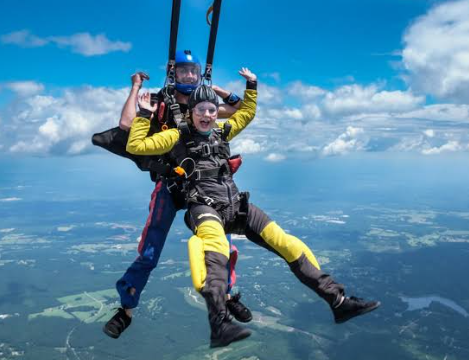
Skydiving is an exhilarating experience that allows you to freefall from incredible heights, feeling the rush of wind and adrenaline. But how high do you actually skydive from? In this post, we’ll explore the standard jump heights and what you can expect from each altitude, helping you make an informed decision about your next adventure!
1. Standard Jump Heights: A Quick Overview
The most common skydiving jump heights are typically around 10,000 to 14,000 feet. Jumping from these altitudes allows for a longer freefall experience. For instance, from 14,000 feet, you can enjoy nearly a full minute of freefall before deploying your parachute, making it a favorite among thrill-seekers.
Skydiving from 10,000 feet is often considered a great starting point for beginners. Although the freefall duration is shorter (around 30 seconds), it still offers an exhilarating experience while minimizing the risks associated with higher altitudes and longer freefalls. It’s essential to choose a jump height that aligns with your comfort and experience level.
-
- Choose an altitude based on your experience level.
-
- Consider the duration of freefall you wish to experience.
-
- Consult with your skydiving instructor for advice.
-
- Check specific jump packages that align with your desires.
2. The 14,000 Feet Experience
Jumping from 14,000 feet promises an unforgettable experience, especially for those who crave the ultimate thrill. At this altitude, divers experience a freefall for approximately 60 seconds at speeds around 120 mph. The rush of air rushing past you is something that cannot be replicated—it’s raw freedom!
To prepare for a 14,000-foot jump, you’ll undergo a comprehensive safety briefing and gear check. You’ll likely be attached to a certified instructor if you’re a first-time jumper, allowing you to share this heart-pounding experience while ensuring safety. Many skydiving centers all around the world offer tandem jumps at this height, which are perfect for adventurers wanting to check skydiving off their bucket list.
-
- Make sure you’re in good physical health.
-
- Wear appropriate clothing and gear.
-
- Stay well-hydrated before your jump.
-
- Listen carefully to the safety briefing.
3. The Thrill of 10,000 Feet Jumps
The 10,000-foot jump is often where many skydivers begin their journey. While the freefall lasts only 30 seconds, it’s an excellent introduction to the world of skydiving. Many individuals find this jump height provides a sufficient thrill without overwhelming them. The rapid descent allows the jumper to experience the sensation of flying while still enjoying an exhilarating ride.
This height is also known for its relative safety. The shorter freefall means there’s less time for potential issues to arise. This makes it especially suitable for beginners or individuals who are apprehensive about jumping from higher altitudes. Most skydiving schools will offer comprehensive courses at this height, so beginners can gain the necessary skills and confidence.
-
- Consider taking a first jump course offered by many skydiving schools.
-
- Wear a jumpsuit for added protection and comfort.
-
- Practice your breathing techniques to ease anxiety.
-
- Always jump with an experienced instructor (if a novice).
4. The Advanced Heights: 18,000 Feet and Beyond
For seasoned skydivers or those seeking an even more exhilarating experience, jumps from 18,000 feet may be the perfect choice. At this altitude, skydivers can experience freefall for approximately 90 seconds. However, proper training and licensing are required, as these jumps involve additional complexities such as altitude awareness and parachute deployment timing.
Many experienced jumpers appreciate the challenge of high-altitude jumps. The view is breathtaking; you can often see for miles. However, be prepared for a more demanding physical experience, including the need for supplemental oxygen above 15,000 feet. It’s critical to adhere to safety protocols in order to enjoy your adventure safely.
-
- Ensure you have completed the necessary training for high-altitude jumps.
-
- Check the weather conditions before planning your jump.
-
- Be aware of altitude-induced risks, such as hypoxia.
-
- Always have a reliable, experienced partner or instructor.
5. Choosing the Right Height for You
When deciding how high to skydive from, consider your personal preferences, physical condition, and experience level. Novices may appreciate starting at 10,000 feet before moving up to higher altitudes. Those with more experience may find that 14,000 feet or even 18,000 feet holds the most excitement and challenge.
Always consult with professionals who can guide you based on your comfort level and goals. They can provide personalized recommendations that suit your unique situation, improving not only your experience but also your safety while skydiving.
-
- Assess your comfort level with heights and freefalling.
-
- Discuss your options with qualified instructors.
-
- Read reviews and testimonials about different jump experiences.
-
- Set a budget that includes training and jump fees.
Skydiving is an adventure like no other, offering thrill-seekers the chance to experience the rush of freefall from impressive heights. Whether you jump from 10,000, 14,000, or even 18,000 feet, each jump promises unforgettable memories. Make sure to choose an experienced facility and the right altitude that suits your comfort, and get ready to soar through the skies!