
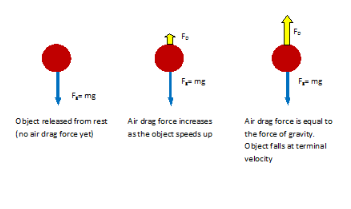
Have you ever wondered how fast a human can fall before air resistance balances out the pull of gravity? This phenomenon is called terminal velocity, and it’s a fascinating aspect of physics that combines gravity, air resistance, and human anatomy. In this blog post, we’ll break down the concept of terminal velocity and discuss its implications for skydivers, base jumpers, and anyone curious about free fall.
1. What is Terminal Velocity?
Terminal velocity is the constant speed that a freely falling object eventually reaches when the resistance of the medium (in this case, air) prevents further acceleration. For a human body, this speed is typically around 120 miles per hour (193 kilometers per hour) when the person is in a belly-to-earth position. Understanding this maximum speed helps skydivers and parachutists plan their jumps effectively.
This speed can vary based on several factors, including the person’s weight, body position, and aerodynamic features. A skydiver diving headfirst can reach speeds up to 150-180 mph (240-290 kph), primarily due to reduced air resistance. Conversely, a spread-eagle position increases the drag and thus lowers terminal velocity.
-
- Know your body position: It affects your terminal velocity.
-
- Consider weight: Heavier individuals tend to fall faster.
-
- Understand air density: It’s different at various altitudes.
-
- Use your gear effectively: Parachutes influence your descent speed.
2. Factors Affecting Terminal Velocity
Several key factors influence the terminal velocity of the human body, including body size, shape, and the density of the air through which a person is falling. When you dive off a cliff or jump from a plane, these factors work against and with the force of gravity. Additionally, the surface area of your body plays a significant role; the larger the surface area, the more air resistance you encounter, which can slow you down.
The altitude from which you’re jumping is also crucial. At higher altitudes, the air is less dense, meaning you’ll experience less drag and can achieve a higher terminal velocity. This is a factor skydivers often consider when planning their jumps, as different altitudes can yield different experiences in free fall.
-
- Conduct experiments: Vary your position to see how it affects your fall.
-
- Observe weight: Understand how heavier jumps differ from lighter ones.
-
- Measure altitude: Keep track of your height during jumps for better results.
-
- Wear appropriate gear: Use jumpsuits that minimize drag.
3. Safety Measures and Precautions
While terminal velocity is an exciting concept, safety should always be a priority when engaging in activities like skydiving or base jumping. It’s crucial to wear a well-fitted parachute, and it’s advisable to complete a thorough training program before attempting these activities. An understanding of safety protocols can dramatically reduce risks, making your experience more enjoyable.
Additionally, always check your equipment before each jump. Regular maintenance ensures that your parachute will deploy correctly, allowing you to settle gently onto the ground instead of experiencing a harsh landing. Practicing emergency procedures can mean the difference between a safe landing and a disaster.
-
- Complete training: Always go through a certified training program.
-
- Inspect your equipment: Regular checks can prevent failures.
-
- Practice emergency protocols: Know what to do in various scenarios.
-
- Jump with experienced instructors: Gain insights and avoid mistakes.
4. The Science Behind Terminal Velocity
The concept of terminal velocity can be explained through the laws of physics, particularly Newton’s Second Law of Motion. According to this law, an object in motion will remain in motion unless acted upon by an external force. In the case of a free-falling person, gravity pulls them down while air resistance pushes up until these forces are equal, leading to terminal velocity.
This balance of forces allows a skydiver to experience a stable velocity during free fall. Understanding this balance can enhance the skydiving experience, allowing divers to maximize their thrill while still considering their safety. It’s a dance between gravity and air forces that plays a significant role in human biomechanics as we explore the skies.
-
- Study physics principles: Understanding forces can enhance your experience.
-
- Experiment with different positions: Feel the forces at play.
-
- Learn about the human body: Understand how it reacts in free fall.
-
- Engage with community forums: Share experiences and learn from others.
In summary, terminal velocity is a fascinating aspect of physics that illustrates the delicate balance between gravitational pull and air resistance. By grasping this concept, you not only enhance your skydiving or parachuting skills but also gain a deeper appreciation for the physics that governs motion. If you’re considering venturing into the world of free falls, make sure to consult with professionals and start your training today!