
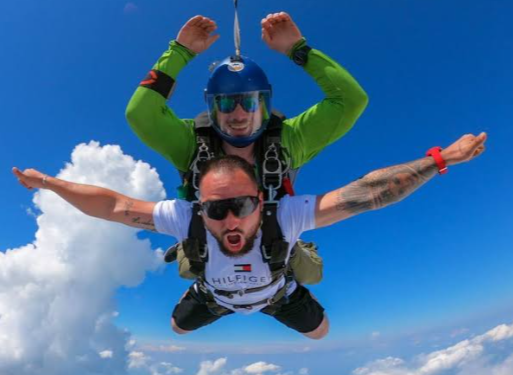
Night skydiving is one of the most exhilarating experiences you can have under a blanket of stars. Imagine the rush of free-falling through the night sky, with the twinkling stars as your backdrop. However, while the thrill is undeniable, safety precautions are essential to ensure a memorable and safe adventure.
1. Understanding the Night Skydiving Experience
Night skydiving involves jumping out of a plane after sunset, allowing you to experience free-fall in complete darkness, illuminated only by the moon and stars, or the lights from below. The views are breathtaking, and the quietness of the night enhances the feeling of freedom. However, the night environment presents unique challenges that differ from daytime jumps, making preparation and knowledge paramount.
During a night jump, the absence of sunlight means your visual cues are significantly reduced. You’ll rely heavily on your instruments, including altimeters and your parachute lights, to navigate safely. Most skydivers who attempt night jumps are experienced, having completed several daytime jumps first, as these foundational skills are crucial for maneuvering effectively in the dark.
-
- Ensure you’ve completed a minimum number of daytime jumps.
-
- Familiarize yourself with your equipment and instruments.
-
- Choose a drop zone that specifically offers night jumps.
-
- Consult experienced skydivers or instructors prior to jumping.
2. Essential Safety Precautions
Safety in night skydiving cannot be overstated. One of the primary safety measures is ensuring high-quality, fully functional gear. This includes your parachute, lights, and an altimeter. Additionally, having a backup parachute and a reliable communication system is vital, as it aids in coordinating with your jump team during the descent.
Before your jump, a thorough briefing will cover what to expect and emergency procedures. Pay careful attention to your instructor, especially regarding landing approaches and any specific signals used in the dark. Proper pre-jump checks and practice landings can help mitigate risks associated with night skydiving.
-
- Conduct a rigorous gear check before each jump.
-
- Wear a jumpsuit that enhances visibility.
-
- Utilize parachute lights that ensure visibility during descent.
-
- Review emergency protocols and landing procedures in detail.
3. Choosing the Right Gear
The equipment you choose for night skydiving plays a crucial role in your safety and enjoyment. A good starter kit includes a jumpsuit that not only provides warmth but also visibility, often equipped with reflective strips. Your parachute should come with built-in lights to help both you and your fellow jumpers stay visible during the descent.
Another important piece of equipment is your altimeter. For night jumps, consider using a digital altimeter that has backlighting, as this allows you to read it easily in low light. Don’t forget about the importance of a helmet, which should be fitted with a light to help you see and signal others during jumps.
-
- Invest in a reflective jumpsuit for visibility.
-
- Select a parachute system with integrated lights.
-
- Choose a digital altimeter with an easy-to-read display.
-
- Wear a snug helmet with LED lights for enhance visibility.
4. Preparing for Your Night Jump
Preparation for a night skydive extends beyond just physical readiness; it incorporates mental preparation as well. Take time to visualize your jump from start to finish. Practicing relaxation techniques can help calm any pre-jump nerves. Many skydivers find that mental rehearsal builds confidence, making the experience more enjoyable.
Nutrition also plays a role in preparation. Ensure you eat a light meal before your jump, as this helps maintain energy without feeling sluggish. Hydration is equally important, as it keeps your body functioning optimally and helps your concentration during the jump.
-
- Mental rehearse your jump to build confidence.
-
- Eat a light meal to maintain energy levels.
-
- Stay well-hydrated throughout the day.
-
- Engage in relaxation techniques to manage nerves.
5. Post-Jump Reflection and Feedback
After your jump, it’s time to reflect on your experience and gather feedback. This is essential not just for personal growth, but also for continually enhancing safety practices in future jumps. Discuss with your jump team how everything went, and note any challenges faced during the jump.
Document your jump experience in a journal, detailing what went well and areas for improvement. This not only aids in your continuous development as a skydiver but also helps to pass on knowledge to newer jumpers who may be preparing for their own night jump adventure.
-
- Engage with your jump team for post-jump discussions.
-
- Document your experiences and observations in a journal.
-
- Reflect on challenges faced during the jump for future improvement.
-
- Share tips and insights with new skydivers.
Night skydiving offers a breathtaking perspective of the world from above, but safety should always be your primary concern. By following these guidelines and continuously learning, you can enhance both your experience and your safety. Don’t hesitate to consult professionals and participate in training sessions to better prepare for your next leap into the night sky!