
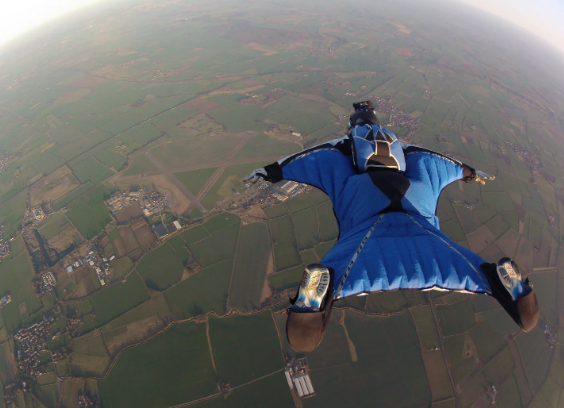
Wingsuit flying is an exhilarating sport that offers breathtaking experiences and views. However, when it comes to flying over water, the stakes can get significantly higher. Understanding the associated risks and established rules is crucial for both safety and enjoyment.
1. Understanding the Risks of Wingsuit Flying Over Water
Wingsuit flying inherently comes with various risks, but flying over water introduces additional concerns. First, the nature of water landings can be unpredictable. While it may seem less dangerous than landing on solid ground, the water can be both a respite and a peril due to factors like waves, currents, and changes in water temperature. Experienced wingsuit fliers have reported instances of miscalculating their landings, resulting in difficult retrievals or unexpected pitfalls.
Another significant risk is the potential for hypothermia. Depending on geographic location and time of year, water temperatures can be quite frigid, which poses a threat if you’re in the water for any length of time. Additionally, open water environments can lead to disorientation due to vast expanses, making it harder to find safe retrieval or escape routes post-landing.
-
- Always check water temperature before your flight.
-
- Familiarize yourself with the landing area and any obstacles.
-
- Consider the current weather conditions; avoid flying if storms are imminent.
-
- Wear a wetsuit or drysuit if you’re planning to land in colder waters.
2. Essential Safety Rules for Wingsuit Flying Over Water
Safety should be your number one priority in wingsuit flying, especially when planning to land on water. One of the core regulations is to always use proper safety gear. This includes not just your wingsuit, but also safety parachutes and flotation devices. Having the right equipment increases your chances of a successful flight and return to safety.
Moreover, it’s essential that you never fly solo—always go with a buddy. Having someone with you can serve as a lifeline in emergencies. If one of you has an issue with landing or needs assistance in the water, the other can help. Always consult with experienced wingsuit fliers or instructors for guidance tailored to your flying scenarios.
-
- Wear a wingsuit designed for water landings.
-
- Always carry a reserve parachute and ensure it is in working condition.
-
- Have a communication device like waterproof radios for emergencies.
-
- Inform someone about your flight plan and expected return time.
3. Training for Water Landings in Wingsuit Flying
Proper training is vital for wingsuit flying over water. Before attempting water landings, it is essential to practice at designated facilities that offer simulations of water landings. Doing so can familiarize you with the nuances of landing in water and the immediate actions required afterward. Professional instructors often provide mock scenarios to prepare you for real-life emergencies, enhancing your response skills.
Additionally, water survival skills can make a huge difference. Knowing how to swim efficiently and understanding basic survival strategies in open water can be life-saving. Training in diverse conditions will prepare you better for unexpected occurrences, like sudden weather changes or tricky currents.
-
- Participate in simulation training sessions.
-
- Learn water survival skills like swimming and treading water.
-
- Practice emergency exits from the wingsuit if landing in water.
-
- Train with experienced instructors who specialize in water landings.
4. Understanding Local Regulations for Wingsuit Flying Over Water
Different countries and regions have specific regulations regarding wingsuit flying, particularly in relation to water landings. Before setting out, familiarize yourself with local laws that pertain to airspace, water zones, and safety measures. Some areas may have designated sites where wingsuit flying is encouraged, while others may restrict or ban the activity entirely due to safety concerns.
Additionally, respecting nature and wildlife is paramount. Many water bodies have protected ecosystems, and flying over them might disturb local wildlife. Check environmental regulations and make sure your activity complies with guidelines aimed at preserving these delicate habitats.
-
- Research local wingsuit flying laws and guidelines.
-
- Identify designated wingsuit flying zones if they exist in your area.
-
- Be mindful of wildlife and environmental protections in flying zones.
-
- Consult with local wingsuit flying communities for advice on regulations.
In conclusion, wingsuit flying over water can be an incredible experience if approached responsibly. By being aware of the risks, adhering to safety rules, training correctly, and understanding local regulations, you can enjoy this thrilling adventure with peace of mind. Consider connecting with professionals for further guidance, and make sure to keep safety at the forefront of your flying pursuits.