
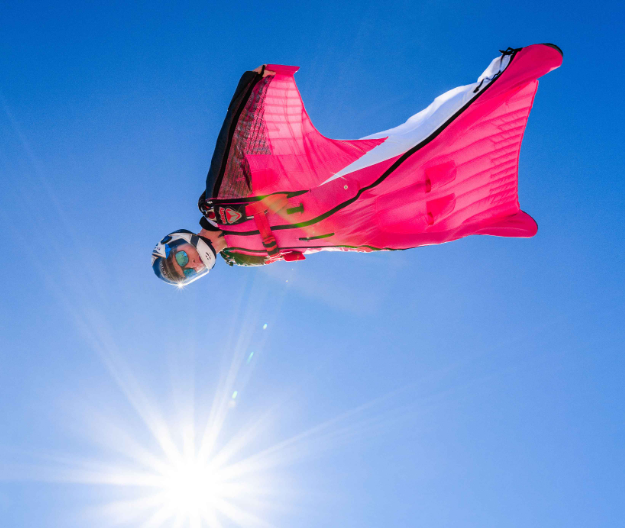
Choosing your first wingsuit model can be both exciting and overwhelming. With several options available and many factors to consider, it’s essential to make an informed decision. This guide will help you navigate through the choices and find a wingsuit that suits your experience level and flying style.
1. Understand Your Skill Level
Before diving into wingsuit models, it’s crucial to assess your skill level. If you are a beginner, you might want to choose a suit designed for ease of use and stability. Advanced wingsuit flyers have different needs, such as more maneuverability and speed. Look for a model that complements your flying experience, as this will significantly impact your comfort and safety in the air.
For novice wingsuit pilots, consider suits with larger surface areas and a more stable design. These suits typically feature a more forgiving control surface, making them easier to fly. On the other hand, experienced flyers may prefer suits with advanced aerodynamic features that allow for higher speeds and tighter turns. Make sure your choice aligns with your current skydiving skills and objectives.
-
- Assess your skydiving experience.
-
- Consult with instructors for recommendations based on your skill level.
-
- Choose a suit with appropriate safety ratings.
-
- Look for beginner-friendly models if you’re new to the sport.
2. Consider the Suit’s Design and Features
The design and features of a wingsuit play a significant role in its performance. Popular features include varying wing sizes, materials, and internal configurations, which impact both lift and glide ratio. Some suits offer more flexibility, while others enhance stability, and understanding these differences can help you make an informed choice.
For instance, suits with larger wings and a wider surface area generally provide more lift, making them easier to control at lower speeds. However, they might lack the agility required for high-speed maneuvers. On the other hand, narrow-wing suits are perfect for those looking to achieve high speeds but require more skill to maneuver effectively. Consider your flying style—whether you plan to soar through the skies or execute intricate aerial tricks.
-
- Evaluate the wing size: larger wings = more lift.
-
- Check the materials for durability and weight.
-
- Look for features that match your desired flying style.
-
- Consider additional features like pockets or attachment points for gear.
3. Test and Review Options
Before making a purchase, it’s advisable to test different wingsuit models. Many shops or manufacturers offer demo days where you can try on various suits and even fly in them. This hands-on experience is invaluable as it allows you to feel the difference between models firsthand.
Additionally, reading reviews from other flyers can offer insights into the performance of specific suits. Join wingsuit forums or community groups online, where experienced pilots share their thoughts on various models. Engaging with these communities may also provide guidance on what suits have worked best for others in similar situations.
-
- Attend demo days to try different wingsuit models.
-
- Join wingsuit forums or social media groups for recommendations.
-
- Watch video reviews to see suits in action.
-
- Seek feedback from instructors or experienced pilots.
Choosing your first wingsuit model is an exciting step in your skydiving journey. By understanding your skill level, considering the suit’s design and features, and testing various options, you’ll be on your way to making a well-informed decision. Take your time and consult professionals in the field for the best experience as you venture into the skies.