
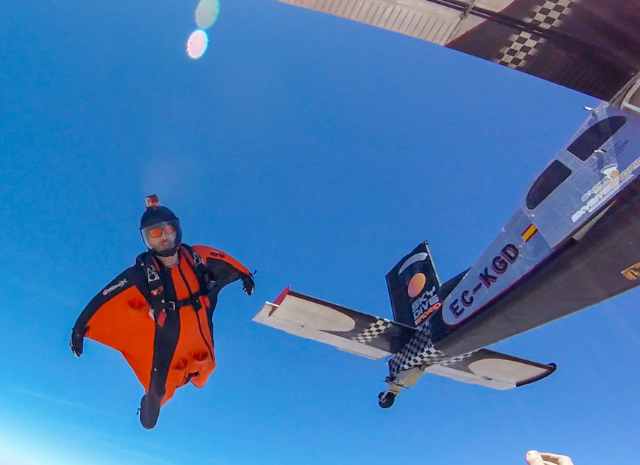
Wingsuit flying offers an exhilarating way to experience flight, combining the thrill of skydiving with the sensation of gliding. However, mastering the exit techniques from an aircraft is crucial for safety and performance. This post will explore some essential exit strategies that every wingsuit pilot should know.
1. The Static Line Exit
The static line exit is a method often used by novice wingsuit flyers. It involves a tether that automatically deploys the parachute once the pilot exits the aircraft. This method provides an additional layer of safety, as the parachute is deployed without relying solely on the pilot’s actions in the initial moments of freefall.
When performing a static line exit, it’s vital to ensure that your gear is correctly rigged and that you have practiced this technique in a controlled environment. Proper positioning at the door and a smooth exit will minimize unnecessary turbulence, making for a more graceful departure. Start by leaning out slightly from the aircraft to allow the static line to deploy smoothly without obstruction.
-
- Ensure your static line is properly connected to the parachute.
-
- Practice the exit technique in a simulator or practice jumps.
-
- Inform the pilot and your jump instructor about your exit method.
-
- Keep your body stable while exiting.
2. The Belly-to-Earth Exit
The belly-to-earth exit is another popular technique among experienced wingsuit flyers. This method requires entering a freefall position with your body facing down, allowing for immediate aerodynamic stability. A controlled exit in this position will enhance your glide and can help you manage altitude better before deploying your parachute.
To execute a successful belly-to-earth exit, you must prepare both mentally and physically. Being in a relaxed body posture as you leap from the plane is vital for maintaining control. Rather than jumping feet first, prioritize a smooth roll out followed by a quick positioning of your arms and legs to stabilize your flight.
-
- Practice the belly-to-earth position during training jumps.
-
- Focus on maintaining a relaxed body posture to prevent erratic movements.
-
- Pay attention to the altitude before deploying your parachute to ensure safety.
-
- Work on your foot placement as you exit the aircraft to maintain control.
3. The Head-Down Exit
The head-down exit is an advanced technique that offers a high-speed jump option for experienced wingsuit flyers. Exiting in a head-down position allows for increased speed and a more dynamic flight experience. However, it comes with a higher risk factor, as maintaining control immediately after exit is crucial.
To perform a head-down exit effectively, focus on your body alignment and position in the aircraft. As you exit, tuck your body into a streamlined form, with your arms at your sides to enhance your velocity. It’s essential to practice this maneuver thoroughly, as the increased speed demands quick reflexes and precise control to maintain stability.
-
- Ensure you have a significant number of jumps under your belt before attempting.
-
- Practice head-down positioning on the ground before attempting in-air.
-
- Watch professional wingsuit videos to analyze exit techniques.
-
- Coordinate with your jump partners for safety during the exit.
4. The Sit-Fly Exit
The sit-fly exit is a hybrid technique that blends features of the belly-to-earth and head-down exits. It offers a balance between control and velocity, allowing pilots to choose their desired angle of descent. This method is particularly useful for those who want to transition smoothly into flight without the intensity of a full speed vertical jump.
When performing a sit-fly exit, ensure that you are securely positioned at the door before launching. Adjust your body to a slight forward angle as you exit, which helps in generating lift and maintains your forward momentum. Practicing and mastering this technique can make you a versatile wingsuit pilot, offering various flight styles for different conditions.
-
- Experiment with different angles to find your optimal exit position.
-
- Maintain a steady grip on your body to avoid excessive rotation.
-
- Communicate with your jump team for synchronization.
-
- Use visual markers on the ground to improve your orientation during descent.
Mastering these wingsuit exit techniques is essential for a safe and enjoyable flying experience. Remember that every jump carries an element of risk, and continuing education is vital in this thrilling sport. Consult with experienced instructors and practice consistently to hone your skills and elevate your wingsuit flying journey.