
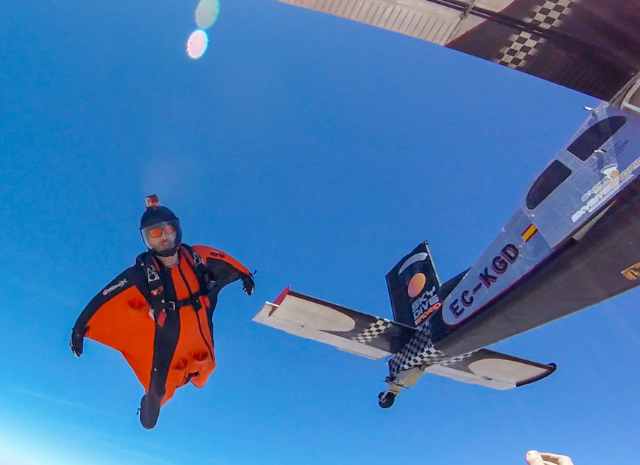
Wingsuit flying is a thrilling and challenging aerial experience that requires careful attention to deployment altitudes. Understanding when to deploy your wingsuit can significantly affect your safety and performance. In this blog post, we’ll explore best practices for deployment altitude, helping you make informed decisions for your flights.
1. The Importance of Correct Deployment Altitude
Choosing the right deployment altitude is crucial for a safe wingsuit exit. Deploying too early may lead to a compromised flight due to unexpected turbulence or altitude loss, whereas deploying too late can result in insufficient time to recover from a malfunction. A general recommended altitude for deployment is typically between 2,500 and 3,500 feet above ground level, allowing ample time for recovery and adjustments if needed.
The altitude you choose will also depend on various factors such as your experience level, the type of wingsuit being used, and weather conditions. For example, novice flyers may prefer to deploy at a higher altitude, while experienced wingsuiters might opt for a lower altitude. Understanding and adapting your deployment heights to prevailing conditions is essential for safety and performance.
-
- Always check the weather before your jump.
-
- Consider your experience level when deciding deployment altitude.
-
- Utilize your altimeter effectively to gauge height accurately.
-
- Have a backup plan in case of unexpected turbulence.
2. Factors to Consider Before Deployment
Many variables can influence the optimal deployment altitude for your wingsuit jump. Wind conditions, air density, and personal comfort levels play a significant role in determining when to deploy. Wind can affect your stability and flight path; therefore, understanding local wind patterns can help you choose the right time for deployment.
Your own physical and mental state is also vital. Are you feeling sharp and focused? Or do you feel fatigued? Fatigue can impair your decision-making and reaction times, making it more likely that you’ll deploy too soon or too late. Always approach wingsuit flying with a clear mind to ensure safe altitude deployment.
-
- Assess the wind conditions before jumping.
-
- Consider your emotional and physical readiness.
-
- Communicate with your jump crew about any concerns.
-
- Review your previous jumps to gauge your comfort levels.
3. Utilizing Technology for Optimal Decisions
In today’s digital age, technology can assist wingsuit flyers in making more accurate deployment decisions. Altimeters, GPS devices, and even wearable tech can provide real-time feedback about altitude changes, allowing for more precise deployment timing. Many experienced wingsuiters now utilize digital altimeters that can be programmed with specific deployment settings tailored to their preferences.
Moreover, integrating technology into your wingsuit routine can also serve as a safety net. For instance, some modern altitude devices trigger automatic deployments if a flyer ascends too quickly or fails to deploy at a designated altitude. This can be particularly beneficial for less experienced flyers who may struggle with situational awareness during freefall.
-
- Invest in a reliable altimeter designed for wingsuits.
-
- Explore GPS devices that track flight patterns and altitudes.
-
- Consider wearable tech for extra monitoring.
-
- Regularly update and maintain all electronic devices.
4. Practicing Deployment Techniques
Like any skill, practice is key to mastering deployment techniques in wingsuit flying. Simulated jumps and ground training can help improve your ability to gauge altitude and timing, which is especially important. During practice jumps, consider utilizing different altitudes for deployment to see how they affect your flight and recovery.
Additionally, analyzing jumps with video recordings can provide insight into your deployment process. By reviewing footage, you can identify moments where your timing may have been off, allowing for better preparation in future jumps. Consistent practice and self-analysis can greatly enhance your confidence in making deployment decisions.
-
- Engage in simulated jumps prior to actual flights.
-
- Video record your jumps to analyze performance.
-
- Practice with a mentor or experienced jumper.
-
- Reflect on each jump to continuously improve.
5. Learning from the Community
Joining wingsuit flying communities can enhance your knowledge about deployment practices. Whether online or in-person, discussions with other wingsuiters can provide a wealth of information based on real experiences. Engaging with fellow pilots allows you to gain insight into different strategies regarding altitude deployment and safety practices.
Moreover, community resources such as forums and training workshops offer valuable opportunities to learn from seasoned experts. Attending events or even social gatherings can lead to sharing vital tips and tricks that might not be covered in standard training programs. Never underestimate the value of collective knowledge.
-
- Participate in wingsuit flying forums or clubs.
-
- Attend events or workshops focused on wingsuit flying.
-
- Share your experiences and learn from others.
-
- Seek mentorship from experienced wingsuiters.
In conclusion, understanding the best practices for deployment altitude can significantly improve your wingsuit flying experience. By considering factors such as wind conditions, personal readiness, and leveraging technology, you can ensure safer and more enjoyable flights. Take the next step in your wingsuit journey by seeking guidance from a professional or experienced jumper to enhance your skills further.