
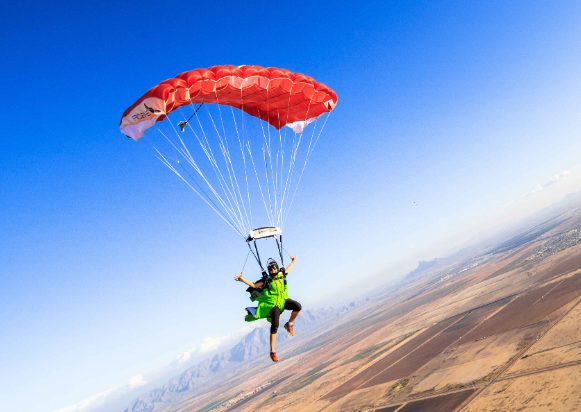
Wingsuit flying is an exhilarating sport that offers a unique way to experience the thrill of freefall. However, one significant challenge that wingsuit pilots face is line twists, which can lead to dangerous situations. In this post, we will explore practical strategies to help you avoid line twists and enhance your flying experience.
1. Understand Your Gear Configuration
The first step in preventing line twists is to ensure that your wingsuit and parachute system are configured correctly. This includes double-checking the packing of your parachute. If the lines are twisted in the packing process, they can create problems during deployment. It’s crucial to understand how your gear works and how it should function when you jump.
<p=Keeping your equipment well-maintained is another critical aspect. Regular inspections can help identify any potential issues before they become serious problems. This could involve checking for frays in the lines or issues with the parachute itself. Knowing your gear like the back of your hand can help you act confidently during your jump.
-
- Ensure your parachute and wingsuit are compatible.
-
- Double-check your packing techniques to avoid line twists.
-
- Inspect your equipment regularly for wear and tear.
-
- Understand the deployment sequence for your specific setup.
2. Master Body Position During Freefall
Your body position during freefall plays a significant role in avoiding line twists. Ideally, you want to maintain a stable, horizontal position to control your flight path. Being aware of how your body moves and keeping it streamlined can prevent unwanted spins that lead to tangling of lines.
Practicing stable body positions in the wind tunnel can help improve your skills. It allows you to refine your technique and become more conscious of how movements affect your flight. Additionally, working with an instructor to get real-time feedback on your body posture can be extremely beneficial in developing better habits.
-
- Keep your body flat and maintain a horizontal position.
-
- Avoid sudden movements that could destabilize your flight.
-
- Practice body position in a wind tunnel for consistent improvement.
-
- Seek feedback from experienced instructors on your form.
3. Develop a Deployment Checklist
Having a well-thought-out deployment checklist can reduce the likelihood of line twists. This checklist should cover all the essential steps to ensure that you are fully prepared to deploy your parachute without complications. From verifying your altitude to ensuring that your lines are untangled, each step should be clearly outlined.
Additionally, sharing your checklist with fellow pilots can provide you with different perspectives on what to include. Often, they may point out aspects you hadn’t considered. A solid checklist can also help instill confidence, allowing you to focus on flying rather than worrying about potential issues.
-
- Create a checklist that includes pre-flight, in-air, and deployment steps.
-
- Review the checklist before every jump to ensure familiarity.
-
- Involve other pilots in creating your checklist for valuable input.
-
- Regularly update your checklist based on personal experience and feedback.
By adhering to these practical methods, you’ll significantly reduce the risk of experiencing line twists in wingsuit flying. Remember, regular practice and mindfulness in executing these strategies are key to enhancing your overall flying experience. Always consider consulting with professional guides or instructors to hone your skills and stay safe in the sky.