
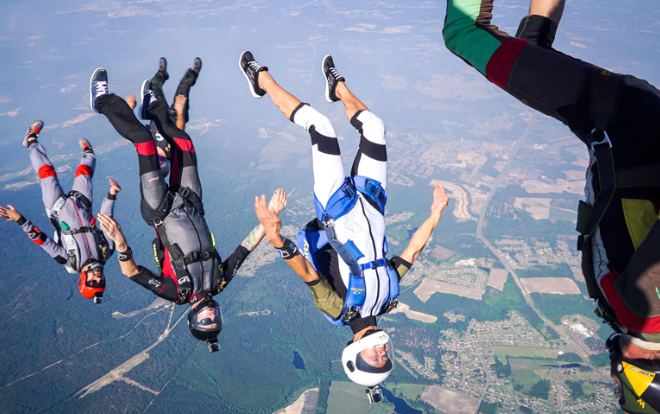
Skydiving is an exhilarating experience that many dream of trying at least once in their lives. However, first-time skydivers often make common mistakes that can lead to mishaps or a less enjoyable experience. Understanding these mistakes can significantly enhance your first jump and ensure it remains a cherished memory.
1. Ignoring Safety Briefings
One of the most critical aspects of preparing for your skydiving experience is paying close attention to the safety briefings provided by your instructor. Many first-timers are so excited that they overlook important information on what to expect during the jump and landing. This lack of focus can lead to confusion at crucial moments, potentially endangering not just yourself but also your instructor.
For instance, understanding your body position during free fall and how to properly execute the landing technique can make a huge difference in your experience. Many first-time jumpers underestimate the importance of orienting themselves with the skydiving equipment. By disregarding these briefings, you may find yourself unprepared for the reality of jumping out of an airplane.
-
- Always be present and engaged during the safety briefing.
-
- Ask questions if you don’t understand something.
-
- Take notes if allowed, or request a recap after the briefing.
-
- Watch training videos or read materials provided before the jump.
2. Overlooking Equipment Checks
Before taking the leap, ensuring that all your equipment is in excellent condition is imperative. Many first-time jumpers think that the instructors will handle everything, leading them to overlook vital checks on their harness and parachute. In some cases, faulty equipment can result in complications during the jump, which can detract from the overall experience.
Don’t hesitate to double-check your gear before boarding the aircraft. Verify that the parachute is packed correctly, the release mechanism functions, and your harness fits snugly. It’s always better to take the extra minute to confirm everything is secure rather than face a situation where you have to manage unexpected issues mid-air.
-
- Double-check your gear before takeoff.
-
- Confirm with your instructor that your parachute is packed correctly.
-
- Make sure your harness fits well and is securely fastened.
-
- Know how to operate the equipment you’re using.
3. Forgetting to Manage Expectations
Many first-time skydivers enter the experience with unrealistic expectations about what it will feel like to jump out of a plane. Some expect an instant adrenaline rush that feels like a rapid rollercoaster ride, while others are surprised by the free-fall sensation. Being aware of what to expect can help you manage your feelings and enhance your enjoyment of the first jump.
The truth is, the free-fall lasts only about 30 seconds, and although it might feel intense, the feeling is often described more as floating than plummeting. Being mentally prepared for this can alleviate panic and allow you to focus on the beauty of the experience, like the stunning vistas that open up beneath you once the parachute deploys.
-
- Research what others have experienced during their first jump.
-
- Discuss your concerns with your instructor beforehand.
-
- Keep a journal of your feelings before and after jumping.
-
- Be open to the experience and allow yourself to enjoy it.
4. Neglecting Physical and Mental Preparation
Many first-time skydivers jump into the experience without considering the physical and mental preparation needed for such an adventure. Understanding the importance of being fit and mentally ready can have a significant impact on your performance during the jump. Anxiety and physical discomfort can detract from the joy of the experience.
Prior to your jump, consider doing some light exercises that promote stamina, core strength, and flexibility. These will help you maintain an ideal position during free fall. Mentally speaking, practice relaxation techniques like meditation or deep breathing to keep nerves at bay. Visualizing your jump can also help you mentally prepare for the experience ahead.
-
- Engage in light exercises leading up to your jump.
-
- Practice relaxation techniques to manage pre-jump anxiety.
-
- Visualize your jump to build confidence.
-
- Stay hydrated and eat a light meal before the jump.
Overall, understanding and avoiding these common mistakes will help you have a memorable and safe first skydiving experience. Be sure to prepare adequately, take the instructions seriously, and engage in practices that promote both physical and mental readiness. Your first jump is just the beginning of many potential adventures that await!