
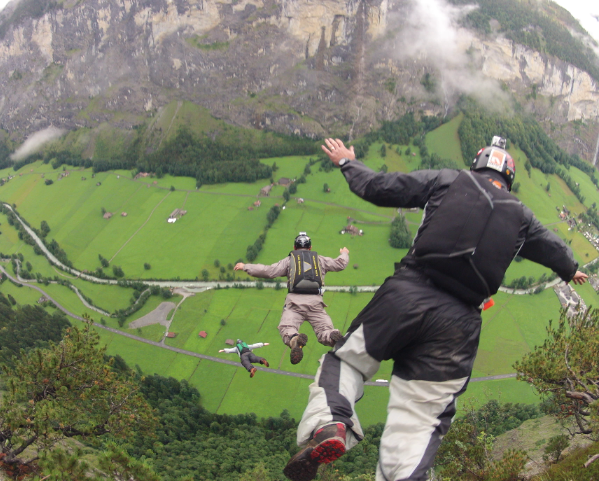
If you’re an experienced skydiver considering a leap into the world of BASE jumping, you’re in for an incredible adventure! However, transitioning from free-falling through open skies to launching off fixed objects requires specialized training and preparation. This guide will help you navigate the unique challenges of BASE jumping.
1. Understand the Gear Differences
The equipment you use in skydiving differs significantly from what you’ll require for BASE jumping. Skydiving gear is designed for high-altitude jumps and longer freefall durations, while BASE jumping gear prioritizes durability and quick deployment. Familiarizing yourself with features like shorter deployment bags and modified parachute designs is essential for your safety.
Additionally, BASE jumping requires a more compact setup since you’re jumping from lower altitudes—often less than 3000 feet—making rapid deployment crucial. Some popular starter rigs are the BASE-specific rigs like the Elsinore or the Viper, which offer fast opening times and exceptional tracking capabilities for maneuverability.
-
- Research BASE jumping gear vs. skydiving gear.
-
- Consider attending a gear-fitting workshop.
-
- Practice with your new gear on multiple jumps.
-
- Look for a rig that suits your jumping style.
2. Develop Specific Physical Conditioning
While your existing skydiving fitness is beneficial, BASE jumping demands a different level of physical readiness. Engaging in strength training, particularly for core stability and leg strength, will help manage the intense landing impacts associated with fixed-object jumps. Consider exercises like squats, lunges, and planks.
Moreover, endurance training through cardio workouts will also assist in maintaining focus and decision-making abilities throughout your jumps. Activities like running, swimming, or cycling can enhance your overall stamina, allowing you to manage the adrenaline and physical exertion involved in BASE jumps effectively.
-
- Create a balanced workout routine focusing on strength and endurance.
-
- Incorporate flexibility exercises like yoga to prevent injuries.
-
- Maintain cardiovascular exercises three to four times a week.
-
- Include jumping drills to simulate landing techniques.
3. Master the Mental Aspects
Transitioning from skydiving to BASE jumping challenges not just your physicality but also your mental fortitude. The compressed time frame for decision-making in BASE jumping means you need to hone your mental focus. Practicing visualization techniques can help prepare you for various scenarios you might face while jumping.
Moreover, community and mentorship play crucial roles in your mental preparation. Engaging with experienced BASE jumpers provides insights into overcoming fear, managing unexpected situations, and performing under pressure. Group jumps can also offer a supportive atmosphere where shared experiences and tips are invaluable.
-
- Practice visualization to prepare for your jumps.
-
- Engage with experienced BASE jumpers for mentorship.
-
- Join a community or online forums to share experiences.
-
- Focus on breathing techniques to manage anxiety.
4. Conduct Safe Jumps and Assess Conditions
Before planning your jumps, conducting thorough research on each location is essential. Factors like weather conditions, altitude, and local regulations can significantly affect your jump’s safety. For instance, wind speeds can alter how you land and execute maneuvers, so always check weather forecasts before heading out.
Additionally, practicing in these locations leads to experience that can’t be simulated. Start with jumps from low-altitude objects like bridges or cliffs (following all local laws), and work your way up to higher structures as your confidence and skills develop. Understanding safe landing zones and exit techniques is also crucial for mitigating risk.
-
- Research potential jump sites extensively.
-
- Check weather and wind conditions prior to each jump.
-
- Familiarize yourself with local regulations regarding BASE jumping.
-
- Start with low-altitude jumps to build experience.
In conclusion, transitioning from skydiving to BASE jumping is an exhilarating yet demanding journey. By focusing on equipment, physical and mental preparation, and safety assessments, you can ensure a smoother transition into this thrilling sport. Always consult with professionals and refine your skills as you embark on this new adventure!