
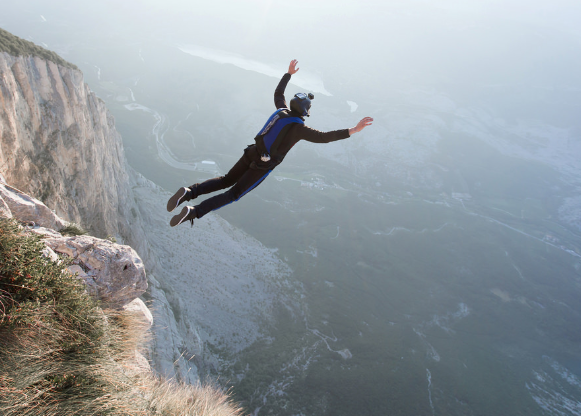
BASE jumping, the thrilling sport of jumping from fixed objects with a parachute, often leads to exhilarating experiences and breathtaking views. However, the risks associated with this extreme sport can be fatal, as numerous cases have illustrated over the years. By examining fatality cases in BASE jumping, we can uncover valuable lessons to enhance safety and awareness.
1. Understanding the Risks
One of the primary lessons learned from BASE jumping fatality cases is the importance of understanding the inherent risks involved. Different sites, such as cliffs, buildings, and antennas, each come with unique challenges. For instance, the wind patterns, terrain, and height can significantly affect the outcome of a jump. A jumper might be tempted to take on a more dangerous site due to its location or height, but every jump requires thorough site-specific evaluations.
The analysis of fatality cases shows that many incidents arose from clear warnings ignored. For example, a jumper might attempt a leap at a site with unfavorable weather conditions, such as high winds or low visibility. These situations have led to catastrophic outcomes, reinforcing the need for careful assessment and respect for the environment.
-
- Always research the site prior to your jump.
-
- Evaluate weather conditions leading up to the jump.
-
- Understand how terrain can affect your landing area.
-
- Use gear suited for specific challenges of each jump location.
-
- Engage in thorough discussions with experienced jumpers.
2. Training & Experience Matters
A critical point learned from BASE jumping fatalities is the necessity of adequate training and experience. Newcomers to the sport often underestimate the skills required to execute a safe jump. Many fatalities occur because individuals lack the fundamental skills in parachute deployment and body positioning during free fall. It’s crucial to undergo comprehensive training programs that cover all aspects of BASE jumping, tailored to varying experience levels.
Moreover, seasoned jumpers stress the importance of practicing with a licensed instructor before attempting high-risk jumps. Fatality cases remind us that no amount of adrenaline or thrill is worth the cost of inadequate preparation. Training also involves understanding the use of gear, enhancing crowd visibility, and mastering emergency procedures.
-
- Prioritize training with certified instructors.
-
- Log extensive jumps to gain valuable experience.
-
- Focus on mastering parachute deployment.
-
- Engage in simulated emergency procedures.
-
- Continuously learn through peer discussions and experiences.
3. Importance of Gear and Maintenance
The equipment used in BASE jumping plays a pivotal role in ensuring safety. Fatalities often have roots in gear failures, whether due to improper use or lack of maintenance. Jumpers must rely on reliable parachutes and safety devices suited for their specific jumps. Investing in high-quality gear minimizes the risk of failure during critical moments. Regular inspections and maintenance checks are paramount to ensure that all equipment performs flawlessly.
Additionally, many experienced jumpers recommend using a main parachute with a reserve and an automatic activation device (AAD). The AAD acts as a backup safety measure, automatically deploying the reserve parachute if the jumper is unable to do so. Such precautions can be lifesavers, as illustrated in incidents where gear failure played a part in fatalities.
-
- Invest in high-quality, reliable gear.
-
- Conduct regular inspections of your equipment.
-
- Consider using an AAD for added safety.
-
- Participate in gear maintenance workshops.
-
- Engage in discussions regarding gear updates and recommendations.
4. Building a Supportive Community
The influence of a supportive community in BASE jumping cannot be overstated. Fatality cases reveal that many jumpers operate in isolation, failing to connect with experienced peers. Building relationships with fellow jumpers creates an environment where knowledge is shared, and cautionary tales are communicated. These communities often conduct safety workshops and regular meetings to promote safety awareness and discuss potential risks.
Moreover, having a trusted team can be a game changer when it comes to risk management. When jumpers have reliable partners to jump alongside, they can conduct thorough evaluations and support each other in making critical decisions. This teamwork not only enhances safety but also fosters camaraderie among participants.
-
- Join local BASE jumping communities and organizations.
-
- Engage in regular safety discussions with peers.
-
- Attend workshops focused on safety skills.
-
- Participate in group jumps to enhance mutual support.
-
- Share experiences and learn from one another.
In conclusion, while BASE jumping offers unique thrills, it is imperative to approach the sport with caution and respect. Learning from past fatality cases provides valuable insights into how jumpers can prioritize safety through understanding risks, acquiring proper training, investing in gear, and building supportive networks. Taking the necessary steps can mean the difference between an exhilarating experience and a tragic outcome.