
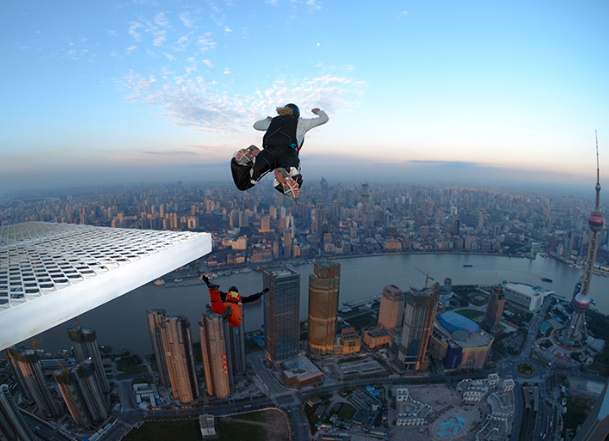
BASE jumping from skyscrapers is an extreme sport that captivates thrill-seekers and adventure lovers worldwide. However, this exhilarating activity raises important questions about legality and safety in urban environments. Here, we explore the complexities involved in skyscraper BASE jumping.
1. Legal Considerations
BASE jumping from urban structures like skyscrapers can often cross legal lines, depending on local laws and regulations. In many cities, jumping without permission is illegal and can lead to severe penalties, including fines and criminal charges. For instance, cities like New York and San Francisco strictly prohibit BASE jumping from buildings, while other areas might have different regulations. It’s essential to thoroughly research and understand the laws of the location you plan to jump from.
Moreover, obtaining permits can be a challenging and lengthy process, as many property owners are reluctant to allow jumps due to liability issues and safety concerns. Consequently, aspiring jumpers must evaluate the risks of legal repercussions alongside the thrill of the activity. Engaging with local BASE jumping communities can provide insights into legal routes and possibly help secure necessary approvals.
-
- Research local laws regarding BASE jumping.
-
- Consult with legal professionals if unsure about regulations.
-
- Reach out to property owners for possible permission.
-
- Document all communications and permissions obtained.
2. Safety Measures
Safety in BASE jumping, particularly from skyscrapers, is paramount. The height and urban environment significantly increase the risks involved. Jumpers should always use professional-grade equipment and ensure that their parachute systems are suitable for urban jumps. Additionally, conducting practice jumps from lower altitudes is advisable to refine skills before attempting to leap from a skyscraper. Having a well-thought-out plan is essential to minimize risks substantially.
Understanding the urban landscape is equally critical. Jumpers need to familiarize themselves with nearby obstacles, including other buildings, power lines, and potential landing zones. Having a team to assist with the jump, whether for equipment checks or spotters on the ground, can significantly enhance safety. The collaboration ensures that all possible hazards are accounted for, and it allows jumpers to execute their jumps with confidence.
-
- Ensure all equipment is functional and suited for urban environments.
-
- Conduct a risk assessment of the area, noting obstacles and landing zones.
-
- Perform practice jumps from lower altitudes.
-
- Use a team for support, including ground spotters and equipment checkers.
3. Community and Training Resources
Joining a BASE jumping community can be immensely helpful for both legal and safety considerations. Local groups often have established practices for responsible jumping, including legal advice and experienced jumpers who can mentor newcomers. Engaging with fellow enthusiasts also enhances the safety aspect, as they can provide tips based on real-world experiences.
Training resources are abundant and include various parachuting schools and courses dedicated to BASE jumping. Online forums and social media groups further serve as platforms for sharing knowledge and experiences while emphasizing safety protocols. These resources can be invaluable for anyone interested in pursuing this thrilling activity, enabling them to learn from seasoned professionals.
-
- Join local BASE jumping communities for support and guidance.
-
- Participate in training sessions to improve skills.
-
- Utilize online forums for additional resources and experiences.
-
- Seek mentorship from experienced jumpers.
In conclusion, although skyscraper BASE jumping offers a unique thrill, potential jumpers must navigate legal and safety considerations meticulously. Starting with research and connecting with experienced communities can set a solid foundation for responsible jumping. Equip yourself with knowledge and practice to enjoy this exhilarating sport safely.