
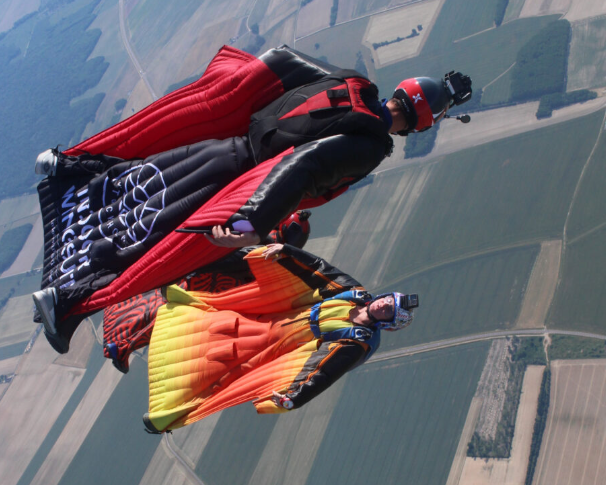
Wingsuit flying is an exhilarating sport that demands a unique combination of skill, precision, and knowledge. One key to an exceptional wingsuit experience is maximizing your glide distance. In this post, we will explore effective strategies to enhance the distance you can glide while wearing a wingsuit, ensuring safer and more enjoyable flights.
1. Mastering Your Body Position
Your body position in the wingsuit is crucial for glide efficiency. The ideal position is slightly arched, creating an aerodynamic shape that minimizes drag. When you’re in freefall, hold your arms out to the sides, and keep your legs extended but slightly apart. This position maximizes the surface area while maintaining stability, allowing for better control over your glide distance.
Regular practice of your body position will lead to improved muscle memory and better control in the air. During training jumps, focus on maintaining this optimal position as your primary goal. You may also find it useful to seek feedback from experienced wingsuit pilots, as they can offer valuable insights and correct any habits that may be hindering your performance.
-
- Practice maintaining a slightly arched body position.
-
- Keep arms extended and fingers relaxed while flying.
-
- Engage your core to stabilize your body during the jump.
-
- Regularly review video footage of your jumps to identify improvements.
-
- Seek advice and tips from seasoned wingsuit pilots.
2. Optimizing Your Equipment
The type and fit of your wingsuit greatly influence how well you can glide. A well-fitted wingsuit enhances your aerodynamics and helps you control your body position better. Ensure your wingsuit is appropriately sized, not too loose or tight, which could create unwanted drag. Consider experimenting with suits designed for different types of flying; some suits are optimized for maximum glide distance.
Equally important is your choice of gear, including the parachute and rig. A lighter, more compact rig helps reduce overall drag while maximizing mobility. Conduct thorough research and, if possible, speak with gear experts who can guide you toward optimizing your wingsuit setup for enhanced glide distance.
-
- Choose a wingsuit that fits properly; avoid excessive drag.
-
- Experiment with different wing configurations to find what works best.
-
- Select lightweight and compact gear to enhance performance.
-
- Consult gear experts for recommendations tailored to your style.
-
- Regularly maintain and check your equipment for safety and functionality.
3. Mastering Flight Techniques
To increase glide distance, it’s vital to employ specific flight techniques while in the air. A crucial strategy is to perform a smooth, consistent dive at the beginning of your flight. This will build speed, allowing you to convert velocity into horizontal distance. Avoid abrupt movements; instead, maintain a steady, controlled flight as you transition from vertical to horizontal orientation.
Additionally, utilize “S-turns” or gentle rolls to increase your aerodynamic efficiency. These maneuvers allow you to manage your airflow better and can help in maintaining altitude while extending glide distance. By mastering these techniques, you’ll be able to make the most out of each flight, ensuring you glide farther than ever before.
-
- Start with a steady dive to build necessary speed.
-
- Perform smooth, controlled movements; avoid jerky actions.
-
- Incorporate gentle rolls or “S-turns” to manage airflow.
-
- Experiment with varying your glide angles to find your optimal path.
-
- Practice maintaining horizontal flight for extended periods.
4. Building Physical Fitness
Your physical condition plays a significant role in wingsuit flying. Regular cardiovascular and strength training will improve your overall stamina and support better control during flights. A strong core is especially important as it helps stabilize your body and maintain the optimal position in the air. Consider incorporating exercises like planks, push-ups, and squats into your routine.
Flexibility also matters. With a flexible body, you can adjust more easily to the demands of flying and maintain an optimal form for longer periods. Include stretching and yoga in your fitness regimen to enhance flexibility, which will not only benefit your glide but improve recovery times and prevent injuries.
-
- Engage in regular cardiovascular and strength training exercises.
-
- Focus on core exercises to enhance stabilization.
-
- Incorporate flexibility training such as yoga.
-
- Set achievable fitness goals and track your progress.
-
- Balance your training with rest and recovery sessions.
Incorporating these strategies into your wingsuit flying routine can drastically increase your glide distance and enhance your overall flying experience. Remember, continuous practice, disciplined training, and attention to detail are key. As you embark on your next adventure, consider seeking guidance from experienced pilots to further refine your skills and elevate your flying abilities! Stay safe, and happy flying!