
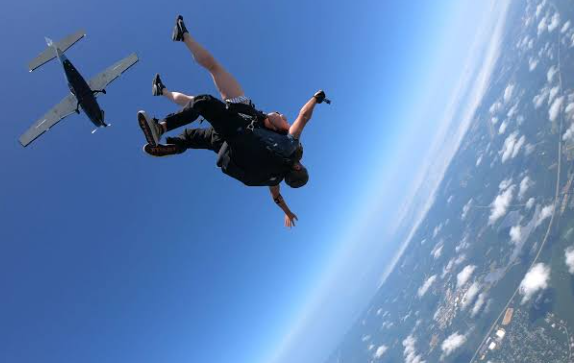
Skydiving is an exhilarating adventure that many thrill-seekers crave, but tackling this sport during hot weather requires careful consideration. With soaring temperatures comes a variety of safety concerns that every skydiver should be aware of to ensure an enjoyable jumping experience. Below are some important safety considerations to keep in mind when planning your skydiving activity in warm weather.
1. Hydration is Key
One of the most critical aspects of skydiving in hot weather is staying hydrated. High temperatures can quickly lead to dehydration, which hampers physical performance and cognition. Pilots and instructors recommend drinking at least 8 ounces of water every hour leading up to your jump, especially if it’s a particularly sunny day. It’s advisable to avoid alcohol or caffeine as these may contribute to dehydration.
Dehydration can manifest in various ways, from fatigue to dizziness, making it crucial to listen to your body. If you start feeling overly thirsty or dizzy, it’s essential to postpone your jump until you can adequately hydrate. Additionally, consider carrying a water bottle with you or ensuring there are hydration stations available at your skydiving center.
-
- Drink plenty of water the day before and the day of your jump.
-
- Avoid caffeine and alcohol prior to skydiving.
-
- Keep a water bottle handy at the drop zone.
-
- Communicate with your instructors if you’re feeling dehydrated.
-
- Take regular hydration breaks during your ground training.
2. Choose Appropriate Gear
Your choice of gear plays a significant role in ensuring comfort and safety during hot weather skydiving. Light, breathable jumpsuits are essential; they help wick moisture away from your body and keep you comfortable. Many skydivers opt for lighter fabrics that provide ventilation – think about materials similar to athletic wear that allow your skin to breathe.
Moreover, consider wearing sunglasses or a visor to protect your eyes from the sun’s rays while free-falling. A properly fitted helmet is also essential; ensure it’s vented but still provides adequate protection. This balance between comfort and safety can make your experience much more enjoyable when jumping through a hot summer sky.
-
- Choose lightweight, breathable jump suits.
-
- Wear protective eyewear like sunglasses or a visor.
-
- Opt for a vented helmet for better airflow.
-
- Layer your gear to keep cool without compromising safety.
-
- Test gear at ground level before jumping.
3. Timing is Everything
Hot weather can become unbearable, especially during midday when temperatures soar. Therefore, planning your jump for early morning or late afternoon can significantly enhance your skydiving experience. Typically, the air temperature is cooler during these times, which not only contributes to your comfort but also can affect your jump’s dynamics.
Additionally, consider the thermal activity during the day. The warmer the ground, the stronger the thermals, which can lead to disruptive conditions for your jump. Understanding local weather patterns can help you decide on the best times to jump and avoid any unnecessary risks associated with excessive heat.
-
- Plan your jumps for early morning or late afternoon.
-
- Check local weather forecasts for thermal activity.
-
- Avoid jumping during peak heat hours (11 AM – 4 PM).
-
- Stay aware of changing weather conditions.
-
- Consult with instructors about the best jump times.
4. Monitor Body Temperature
Being aware of your body temperature before, during, and after the jump is critical, especially in hot weather. Signs of overheating can include excessive sweating, elevated heart rate, and fatigue. If you find yourself overheating, know how to cool down effectively. A short break in a shaded area and drinking cool water can help mitigate overheating risks.
It’s vital to pay attention to one another as well. Check on your teammates and ensure that everyone is feeling fit and well. If someone seems unwell, encourage them to take precautions and seek shade or cooling measures before proceeding with the jump.
-
- Use thermoregulation techniques like cooling towels.
-
- Regularly monitor each other’s physical condition.
-
- Know the signs of heat exhaustion and heat stroke.
-
- Prepare for cooldown breaks if needed.
-
- Always err on the side of caution.
Skydiving in hot weather can be incredibly enjoyable if you take the right precautions. Planning your activity with considerations like hydration, gear choice, timing, and body monitoring will not only keep you safe but also ensure that you have a thrilling experience. Always remember to listen to your body and consult with professionals when in doubt. Happy jumping!