
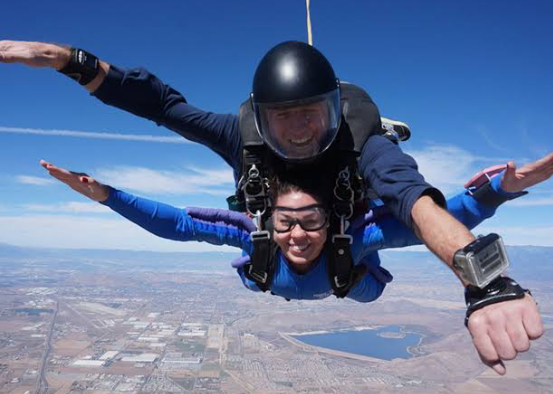
Filming your first skydive can be an exhilarating experience, but safety should always be your top priority. Capturing those breathtaking moments while free-falling requires careful planning and execution. In this blog post, we’ll explore essential tips to ensure you film your jump safely and effectively.
1. Choose the Right Equipment
To successfully film your first skydive, selecting the right equipment is crucial. You’ll want to use a camera that is lightweight, durable, and has a good stabilization feature to withstand the intensity of the jump. Popular choices include GoPro cameras or similar compact action cams with mounting options compatible with skydiving gear. Make sure to test the camera beforehand to ensure it functions in extreme conditions.
Additionally, consider using a secure mounting harness to avoid losing your camera during the jump. A wrist mount or a helmet mount can provide a stable viewpoint while keeping your hands free. Always double-check that your gear is secure before boarding the aircraft, as a loose camera can create dangerous situations during the jump.
-
- Choose a lightweight, durable action camera.
-
- Use a secure mounting harness (wrist, helmet).
-
- Test your camera before the jump.
-
- Ensure all gear is securely attached.
-
- Familiarize yourself with camera settings.
2. Prepare for the Jump: Know Your Surroundings
Understanding your environment is vital when filming a skydive. Before your jump, participate in the pre-jump briefing provided by your skydiving instructor. This meeting typically covers important safety protocols and gives you a chance to ask questions about filming. Knowing where to focus the camera can help you capture the best possible footage while staying aware of your surroundings.
Additionally, familiarize yourself with the drop zone and landing area. Knowing the wind conditions and possible landing terrains can help you avoid accidents. It’s also important to be aware of other skydivers around you and coordinate your filming to avoid collisions. Engage with your instructor about what to expect, as they can provide insights into managing your camera and focus during the free fall.
-
- Attend the pre-jump briefing.
-
- Understand wind conditions and landing zones.
-
- Be aware of other skydivers.
-
- Discuss filming strategies with your instructor.
-
- Keep your camera lens clean to avoid distortions.
3. Focus on Stability and Angles During the Free Fall
Once you’re in the air, maintaining camera stability is crucial for getting quality footage. The free fall can be chaotic, and without proper stabilization, your footage may end up shaky or unusable. To counter this, utilize a camera with built-in stabilization features. If you’re filming with handheld equipment, engage both hands or use your body as leverage to absorb some of the impacts of wind resistance.
Consider using a few different angles while filming to add depth to your footage. Capture the initial free fall, then shift to a shot of your instructor or fellow skydivers for variety. Changing angles during the jump can provide viewers with a captivating experience, showcasing not just the breathtaking views but also the thrill of the fall. Ensure that in every shot, you remember to align the camera towards your intended focus for the best results.
-
- Use a camera with stabilization features.
-
- Engage both hands for stability.
-
- Shift angles to capture diverse footage.
-
- Align the camera towards focused subjects.
-
- Practice fluid movements before the jump.
4. Plan Your Landing and Capture the Moment
As you approach the landing zone, it’s just as important to continue filming safely. Be mindful of both your body and the camera equipment as you prepare for landing. Make sure that you have the landing area clearly in view and that your camera is positioned to capture the landing. A great shot of the landing can provide a satisfying conclusion to your footage and capture the excitement of your jump.
However, as you begin to touch down, prioritize safety over filming. Focus on your landing technique, ensuring you land safely rather than worrying about perfectly capturing the shot. You can always film re-creations on the ground afterward, but a solid landing is critical. Connecting with your instructor about the best angle to film your landing can add a personal touch to your video.
-
- Keep the landing area in clear view.
-
- Prioritize landing technique over filming.
-
- Coordinate with your instructor for best angles.
-
- Consider filming post-landing celebrations.
-
- Evaluate your footage on the ground afterward.
5. Review and Edit Your Footage for Impact
After your skydive, take some time to review the footage you captured. Editing is where your personality can shine through; consider using software that allows you to trim unwanted segments and enhance the visuals. Basic editing software can offer features like music overlays, transitions, and effects that can make your final product shine. Don’t forget to add commentary or thoughts about your experience; it can provide a personal touch to your video.
When reviewing the footage, keep an eye out for those magical moments that illustrate the thrill of skydiving. Highlighting moments of free fall, the panoramic views, and your reaction during the jump can make the video more engaging for viewers. Once you’ve finalized your edits, share it with friends, family, or even on social media to inspire others to consider skydiving.
-
- Choose user-friendly editing software.
-
- Trim unnecessary segments for a concise video.
-
- Add music and commentary for personal touches.
-
- Highlight thrilling moments from the jump.
-
- Share your final video with friends and on social media.
Filming your first skydive can be thrilling and daunting, but with proper preparation and awareness, you can safely capture breathtaking footage. Always prioritize safety, communicate effectively with your instructor, and enjoy the incredible experience. Happy jumping!