
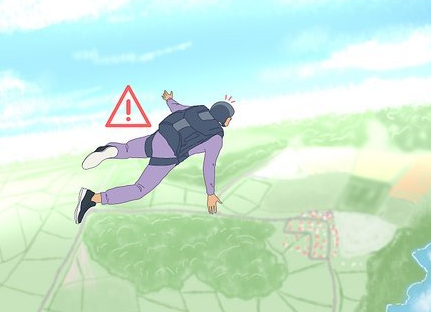
Skydiving is an exhilarating adventure that offers a rush unlike any other. However, the thought of your parachute not opening can instill fear in even the most seasoned jumpers. In this blog post, we’ll explore what happens if your parachute fails to deploy and how you can manage such critical situations.
1. Understanding Parachute Failure
Parachute failure can occur for various reasons. The most common include deployment errors, equipment malfunctions, and environmental factors. Knowing the basics about how parachutes function and the reasons behind their failures is essential for anyone interested in skydiving.
For instance, if there’s a problem with the parachute’s deployment bag or if the lines are tangled, your parachute might not deploy correctly. Additionally, strong winds can hinder the deployment or affect the parachute’s ability to inflate. Understanding these mechanics can be the first step in preventing these issues through proper training and preparation.
-
- Always inspect your gear before jumping.
-
- Maintain your parachute according to manufacturer guidelines.
-
- Practice emergency procedures regularly.
-
- Ensure parachute packs have been done by certified professionals.
2. Emergency Procedures and Safety Protocols
If your parachute doesn’t open, having an emergency plan is crucial. Most skydivers are trained to handle such situations and are taught to rely on their reserve parachutes. Understanding how to quickly and effectively deploy your reserve parachute can be a lifesaver.
During your training, you will also learn how to perform a “cutaway” maneuver, which involves releasing the main parachute while simultaneously deploying the reserve parachute. This takes practice, so regular training and simulation exercises are vital to ensure muscle memory kicks in if the situation ever arises.
-
- Review emergency procedures before each jump.
-
- Practice cutaway drills during training.
-
- Always wear a reserve parachute when skydiving.
-
- Know your altitude limits for deploying reserves.
3. Freefall Physics: What to Expect
In the unfortunate event that your parachute does not deploy, understanding the physics of freefall becomes essential. You will experience a rapid descent, and the height of your jump will determine how much time you have to react. On average, after exiting the plane, a skydiver falls about 120 miles per hour, which allows only a limited timeframe before reaching the ground.
The terminal velocity reached during freefall means that every second counts. While you may briefly feel the rush and thrill of the experience, your focus must shift to executing emergency procedures efficiently. Timing is everything, and knowing what to expect in those crucial seconds can help reduce panic and promote decisive actions.
-
- Stay calm; panicking can impair your judgment.
-
- Focus on your training; recall the steps you’ve practiced.
-
- Visualize yourself successfully executing emergency procedures.
-
- Always maintain awareness of your altitude during freefall.
4. Post-Jump Recovery and Reflection
Once you have landed safely (whether it is by your parachute or an emergency maneuver), the next step involves assessing and recovering from the experience. Reflecting on what happened can provide insights for future jumps. This is also the perfect time to review what went right or wrong and how you can improve your protocol.
Another critical aspect of recovery is ensuring that you debrief with your instructors or other experienced jumpers. They can provide valuable feedback on your performance and discuss the dynamics of parachute malfunction. Continuous learning and adapting from each skydiving experience is essential in enhancing your safety and skill level.
-
- Debrief with instructors about the jump.
-
- Identify areas for improvement in your response.
-
- Keep a record of your jumps and any incidents.
-
- Consider additional training if needed.
In conclusion, understanding what to do if your parachute does not open is crucial for every skydiver. By familiarizing yourself with equipment checks, emergency procedures, and freefall dynamics, you can enhance your safety and enjoyment of this thrilling activity. Always continue your education, stay prepared, and consult with professionals to keep your skills sharp and current.