
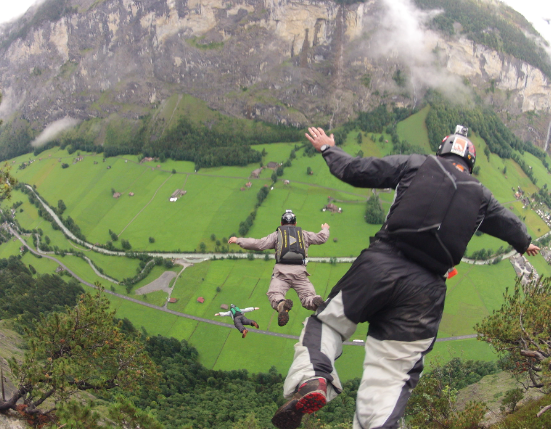
Base jumping, the exhilarating sport of leaping from fixed objects, offers a unique thrill unmatched by other forms of skydiving. However, before you can take the plunge, there are legal requirements and significant safety considerations you need to tackle. Here’s a detailed guide on how many jumps you typically need to make before you can legally and safely participate in BASE jumping.
1. Understanding the Regulations
Before taking a step towards BASE jumping, it’s crucial to familiarize yourself with the regulations specific to your location. Each country and region has its own legal framework governing the sport. In the United States, for example, there aren’t strict national regulations, but certain states have their own laws making the sport illegal in specific areas. Therefore, always make sure to check local laws and regulations before planning your jump.
Aside from national or state laws, there are also requirements set by BASE jumping organizations. Generally, most recommend having completed a minimum of 100 skydives before entering the BASE jumping scene. This requirement helps you gain crucial experience in freefall, parachute deployment, and landing, which is essential for the safety of your jumps.
-
- Research local laws regarding BASE jumping.
-
- Check if your jumping location has specific regulations.
-
- Consult with local jumping communities for insights.
-
- Understand any additional permits or licenses required.
2. Building Your Skydiving Experience
Once you’ve navigated the regulatory landscape, the next step is to gain skydiving experience. Most experts suggest that completing at least 100 jumps with a parachute is vital. This extensive experience not only increases your comfort in freefall but also enhances your ability to handle emergencies. Understanding your gear, wind conditions, and body positioning during a jump are all critical skills you will develop through these skydives.
In addition to sheer jump numbers, consider varying your jump types. Engaging in night jumps or jumps with different wind conditions can broaden your skill set and prepare you for the unpredictability of BASE jumping. The more diverse your skydiving experience, the better equipped you’ll be to face the challenges that come with jumping from fixed structures.
-
- Complete a minimum of 100 jumps for safety reasons.
-
- Participate in night jumps to boost confidence.
-
- Practice in different weather conditions.
-
- Seek feedback from experienced skydivers.
3. Joining a Mentorship Program
Enrolling in a mentorship program with a seasoned BASE jumper can be incredibly beneficial. A mentor can provide firsthand insights, tips, and techniques that are not covered in formal training. This personalized guidance can make a significant difference in both your skills and confidence level prior to making your first BASE jump. Experienced mentors can also help you assess your readiness and give you constructive criticism based on their own experiences.
Moreover, a mentorship program often includes organized jumps, which help you practice under controlled conditions. This experience will expose you to the actual dynamics of BASE jumping without the overwhelming pressure of going solo. Building a network within the BASE community will not only aid your growth but also ensure that you have a group of people you can rely on before embarking on your first jump.
-
- Look for reputable mentorship programs in your area.
-
- Engage with experienced BASE jumpers regularly.
-
- Ask specific technical questions to understand your progress.
-
- Participate in group jumps to gain exposure.
4. Preparing for Your First BASE Jump
After accumulating sufficient experience and completing your mentorship, the final preparation for your first BASE jump involves a detailed plan. Preparation includes not just your equipment but also understanding the jump site’s unique features. Make sure to familiarize yourself with the landing zone, potential exit routes, and any environmental factors that may affect your jump.
Another key aspect of preparation is mental readiness. Visualize the jump beforehand; imagine each phase, including your exit, freefall, parachute deployment, and landing. This mental rehearsal will benefit your execution when the moment arrives. Consider talking to other jumpers about their first experience and learn what worked for them and what challenges they faced.
-
- Study the BASE jump area thoroughly.
-
- Practice mental visualization techniques.
-
- Check all gear thoroughly before the jump.
-
- Establish a clear plan with your mentor.
In conclusion, navigating the path to legally BASE jumping requires careful planning, the right experience, and thorough preparation. Start by accumulating skydives, engaging in mentorship programs, and understanding your legal environment. With dedication and the right approach, you can safely take this exhilarating leap into the world of BASE jumping.