
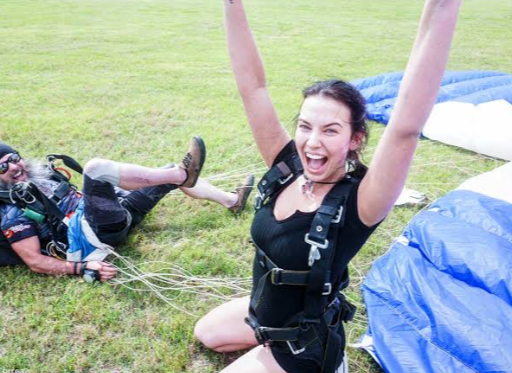
Extreme air sports are not just adrenaline-fueled activities; they are also complex endeavors that blend skill, courage, and risk management. Whether you’re a seasoned extreme athlete or a curious beginner, understanding the various air sports and their associated risks can help you make informed decisions. In this post, we’ll explore several extreme air sports, their unique challenges, and a comparative risk analysis.
1. Skydiving
Skydiving involves jumping from an aircraft and free-falling before deploying a parachute to land safely. This sport offers breathtaking views and an exhilarating experience as you plummet towards the ground at speeds of around 120 mph. The thrill of free-falling makes it one of the more popular extreme air sports among adventure seekers.
However, skydiving is not without risk. Factors such as equipment malfunction, poor weather conditions, and human error can significantly impact safety. New technology, such as automatic activation devices (AAD), has improved safety, but training and experience are still crucial for minimizing risks.
-
- Always jump with a certified instructor if you are a beginner.
-
- Regularly inspect your gear before each jump.
-
- Pay close attention to weather reports and jump only in favorable conditions.
-
- Participate in training and safety courses.
2. Paragliding
Paragliding is the art of flying a lightweight, free-flying aircraft called a paraglider. It allows you to soar through the sky, similar to a bird, using the wind to gain altitude and navigate through the air. This sport is known for its peaceful experience and the ability to glide over stunning landscapes.
Yet, paragliding comes with its own set of hazards, including turbulence, changing weather conditions, and gear malfunctions. Collisions with other aircraft or obstacles can also pose serious risks. Proper training and careful flight planning are key to mitigating these dangers and ensuring a safe flying experience.
-
- Enroll in a certified paragliding course.
-
- Understand the local topography and weather patterns.
-
- Always fly with a partner for added safety.
-
- Thoroughly check your equipment before each flight.
3. Base Jumping
Base jumping involves jumping off fixed objects like cliffs, bridges, and buildings with a parachute. The word BASE is an acronym for Building, Antenna, Span, and Earth, signifying the structures from which jumpers leap. This extreme sport offers some of the most breathtaking views but offers a very small window for parachute deployment compared to skydiving.
Due to its high-risk nature, base jumping has a high fatality rate when compared with other extreme sports. The proximity to the ground reduces the time available to react to improper landings or parachute failures. Consequently, it’s essential to have advanced skydiving skills and to jump in solo or small groups with extensive safety training.
-
- Gain substantial skydiving experience (generally 100 jumps) before attempting base jumping.
-
- Study the jump site thoroughly and identify all hazards.
-
- Always use a backup parachute for safety.
-
- Consult experienced base jumpers for guidance.
4. Wingsuit Flying
Wingsuit flying allows adventurers to glide through the air wearing a specially designed suit that includes fabric wings between the legs and under the arms. This sport provides an incredible sense of freedom and extends free-fall time, making it an attractive option for experienced skydivers. It’s essential for individuals to have a high skill level and a good understanding of aerodynamics to enjoy this sport safely.
That said, wingsuit flying is not without risks. Jumpers are exposed to high speeds and complex flight paths, making it crucial to maintain control during flight. Mistakes can lead to collisions with terrain or other objects, drastically increasing the likelihood of severe injuries or fatalities. Adhering to strict safety guidelines is critical for a successful wingsuit flying experience.
-
- Complete a minimum of 200 skydives before attempting wingsuit flying.
-
- Train with a licensed instructor specifically for wingsuit techniques.
-
- Practice emergency landing techniques regularly.
-
- Pre-plan your flight path to minimize risks.
5. Aerobatics
Aerobatics involves performing spectacular maneuvers with an aircraft, such as rolls, loops, and flips. These stunts can happen in stunt planes, gliders, or even certain types of helicopters. Aerobatics can be deeply rewarding for pilots who enjoy the thrill of high-performance flying while showcasing their skills.
However, aerobatic flying requires rigorous training and a solid understanding of aircraft control and aerodynamics. The risk factors involved include mechanical failure, pilot error, and unexpected weather conditions. Proper training and awareness of limitations are vital for ensuring both safety and enjoyment during aerobatic flights.
-
- Obtain specialized aerobatic training from certified flight instructors.
-
- Ensure your aircraft is equipped for aerobatic maneuvers.
-
- Adhere to strict protocols when performing tricks.
-
- Participate in safety seminars and practice emergency procedures.
Extreme air sports offer exhilarating experiences but come with inherent risks that must be understood and mitigated. Engaging in these activities responsibly, with proper training and awareness, can significantly enhance both safety and enjoyment. If you’re considering delving into extreme air sports, consult professionals and equip yourself with the skills needed for a thrilling yet safe adventure.