
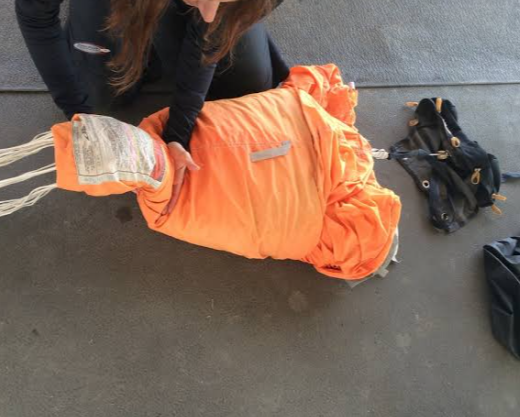
Packing a parachute correctly is a crucial skill for any skydiver or parachutist. A well-packed parachute can greatly affect your safety and enjoyment during your jump. This guide will walk you through the proper steps to pack a parachute, ensuring that you’re fully prepared for your adventurous leap from the sky.
1. Gather All Necessary Equipment
Before you start packing your parachute, it’s essential to gather all the necessary tools and equipment. This includes the parachute itself, a packing mat, and any additional items like a safety hook knife, packing pillows, and a harness bag. Having everything ready at your workspace not only makes the packing process smoother but also ensures you won’t have to pause and search for items once you begin. Remember, being organized contributes to effective packing.
Once you have everything at hand, you can set up your packing area. A clean, flat surface is ideal, as it allows you to work without distractions and helps avoid tangling. Ensure the area is free from dirt or debris which could compromise the materials of your parachute during packing.
-
- Check that your packing mat is clean and flat.
-
- Gather all tools: packing pillows, knife, and safety pins.
-
- Inspect your parachute for any damages before packing.
-
- Ensure your harness bag is ready for the parachute.
2. Prepare the Parachute
Once your equipment is set, it’s time to prepare your parachute for packing. Begin by laying the parachute out flat on your packing mat, ensuring that all lines and components are untangled. This will help prevent any issues later during the deployment phase. Carefully inspect the parachute for any signs of wear, such as fraying fabric or broken stitches. Address any damages immediately, as packing a damaged parachute can be incredibly dangerous.
Next, you’ll want to set up each part of the parachute in order to facilitate smooth packing. Start with the canopy, ensuring it’s fully spread out with no twists in the lines. Lay the deployment bag on top of the canopy and attach the bridle line, taking care to keep it straight and untangled for deployment. A good foundational setup is essential for the parachute’s deployment and your safety.
-
- Lay the parachute flat, avoiding tangles.
-
- Inspect for damages; repair if needed.
-
- Set the deployment bag and bridle line correctly.
-
- Ensure the lines are clear and untangled.
3. Start the Packing Process
With everything in place, you can begin the actual packing process. Start by folding the canopy in a systematic way – usually in a fan fold or a method that works best for you. As you fold, maintain some tension to keep the bag and fabric orderly. Ensure that you are packing the parachute from its leading edge to trailing edge, layering the folds neatly. This might take a little practice, but precision is paramount to a successful deployment.
As you approach the end of the packing process, you’ll need to place the packed parachute into its deployment bag. Slide the packed canopy into the bag smoothly, making sure that no lines are trapped. After that, gently pull any excess line out and tidy it up to avoid potential snags during deployment. Properly securing the parachute ensures you’ll have a worry-free jump when it’s time to leap.
-
- Use a consistent folding technique for efficiency.
-
- Check that tension is maintained during packing.
-
- Insert the packed parachute into the deployment bag smoothly.
-
- Tidy up any lines to prevent tangles.
4. Final Preparations and Inspection
After packing the parachute and securing it in the deployment bag, the next step involves thorough final inspections. Carefully examine the lines and the deployment bag to remove any kinks or tangles. It’s also a good idea to check all buckles, toggles, and clips for functionality. Always remember to do this inspection after packing, regardless of how experienced you are.
Once you confirm everything is in order, seal the deployment bag and prepare for attachment to your harness. Make sure the parachute is oriented correctly and that you secure all fasteners tightly. A final walkthrough on these aspects can significantly enhance your safety and improve the odds of a flawless jump.
-
- Inspect lines and deployment bag one last time.
-
- Check all buckles and clips for issues.
-
- Ensure the deployment bag is sealed properly.
-
- Double-check the orientation of your parachute.
In conclusion, packing a parachute is not just about the act itself; it is about preparation, organization, and attention to detail. By following the steps outlined above and paying close attention to each phase of the packing process, you’ll significantly increase your safety for jumps ahead. Don’t hesitate to consult with professional riggers for further guidance and practice regularly to maintain your skills.