
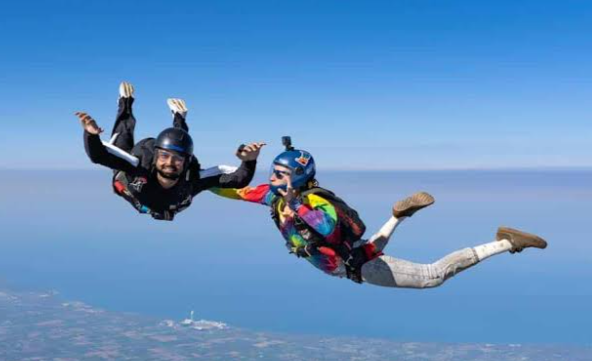
Skydiving is an exhilarating experience that attracts adventure seekers around the world. However, if you want to take your passion for skydiving to the next level, obtaining a skydiving license is essential. This blog post will clarify the requirements you need to fulfill to earn your skydiving license, ensuring you’re well-prepared for this exciting journey.
1. Understanding the Different Types of Skydiving Licenses
Before diving into the requirements, it’s important to know that there are various types of skydiving licenses you can obtain. The most common are the United States Parachute Association (USPA) A, B, C, and D licenses. The A license is the entry-level certification that allows you to jump unaccompanied, while the B, C, and D licenses have progressively advanced requirements and privileges.
Each license level has its own specific training and jump count requirements. For instance, to qualify for an A license, you typically must complete a minimum of 25 jumps, including one jump from at least 3,000 feet, and demonstrate your ability to perform essential skills. Knowing these distinctions can help you set your goals and understand the journey ahead.
-
- Research the license types: A, B, C, and D licenses.
-
- Identify which license aligns with your skydiving goals.
-
- Observe the jump and training requirements for each license.
-
- Consider the progression from one license to the next.
2. Training and Jump Requirements for the A License
To achieve your A license, you will need structured training and practical jump experience. Most skydiving schools offer an Accelerated Freefall (AFF) course, which includes ground training to prepare you for your first jump. After completing the ground training, you will perform your jumps with instructors until you demonstrate adequate control and safety skills.
In addition to the required 25 jumps, you’ll have to complete a series of specific skills during your jumps. These include stable freefall positions, altitude awareness, and safe deployment of the parachute. Once you have demonstrated these skills successfully to your instructor, you will be ready for the licensing exam to complete the process.
-
- Enroll in a recognized skydiving school.
-
- Complete your AFF course and ground training.
-
- Practice jumps under instructor supervision until you meet requirements.
-
- Maintain a logbook to track your jumps and skills.
3. Health and Safety Requirements
Your health and safety are top priorities when skydiving. Before you can even start your training, you will need to complete a medical questionnaire to ensure you’re fit for skydiving. In some cases, a doctor’s approval may be needed, especially if you have existing medical conditions such as heart issues or significant vision problems.
Additionally, it’s critical to prioritize safety measures in your training and jumps. Always use certified equipment, follow your instructor’s guidelines, and participate in safety briefings before each jump. By fostering good safety practices, you can enjoy your skydiving experience without undue risks.
-
- Fill out the medical questionnaire honestly.
-
- Get medical approval if required by your health status.
-
- Attend safety briefings and adhere to guidelines.
-
- Use only USPA-certified equipment and gear.
4. Compulsory Ground School Training
Ground school training is an essential step in attaining your skydiving license. This requires a thorough understanding of everything from parachute functionality to emergency procedures. During ground school, you will learn how to manage various scenarios, which is crucial for making informed decisions while skydiving.
The curriculum typically includes instruction on freefall techniques, parachute deployment, and landing strategies. This training session not only enhances your practical skills but also builds your confidence as you prepare for actual jumps. It is a mandatory step that significantly contributes to your safety and success in the sport.
-
- Attend a comprehensive ground school class.
-
- Engage actively in the training and ask questions.
-
- Take detailed notes for future reference.
-
- Participate in simulations if offered.
5. Licensing Process and Costs
Once you’ve completed all training and jump requirements, you can apply for your skydiving license. This process includes submitting your logbook detailing your jumps, skills demonstrated, and adhering to any feedback from your instructors. The cost of obtaining a license may vary based on your location, the skydiving school you choose, and additional equipment costs.
Typically, you should expect to spend a few thousand dollars throughout your licensing journey, including training fees, gear purchases, and jump costs. It’s a worthwhile investment in your adventure, but always ensure you’re getting value for your money by choosing a reputable school.
-
- Compile all necessary documentation for your license application.
-
- Review costs associated with training and jumps.
-
- Ensure your logbook is accurate and up-to-date.
-
- Contact your skydiving school for submission procedures.
Obtaining a skydiving license is a rewarding adventure filled with learning and personal achievement. By understanding the specific requirements and taking proactive steps, you can set yourself up for success. So gear up, stay informed, and get ready to take the leap into this incredible sport!