
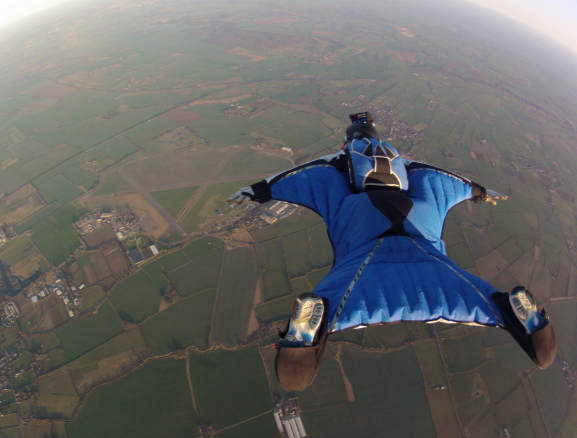
Wingsuit proximity flying is one of the most exhilarating and visually stunning extreme sports today. However, it comes with significant risks and requires a solid understanding of techniques to ensure safety and success. In this post, we’ll delve into the risks associated with this sport and the techniques that can help mitigate those risks.
1. Understanding the Risks
Wingsuit proximity flying involves navigating through narrow spaces and close to terrain, which brings inherent risks. A study conducted by various skydiving organizations shows that a substantial percentage of wingsuit-related accidents occur due to miscalculations in altitude and speed. Enthusiasts must acknowledge that even experienced pilots can experience sudden changes in air pressure or obstacles that can lead to accidents.
Furthermore, lack of adequate spatial awareness while flying at high speeds can result in a collision with the environment, such as cliffs or trees. Many proximity flyers report a heightened sense of awareness just before entering these areas, but the adrenaline rush often leads to split-second decisions that can be fatal. Understanding these circumstances is crucial for anyone considering this thrilling endeavor.
-
- Always assess the terrain before flying.
-
- Monitor wind conditions and weather forecasts.
-
- Understand your altitude and speed limits.
-
- Regularly check your equipment for wear and tear.
2. Techniques for Safe Proximity Flying
Safety starts with preparation. Proper training and experience are invaluable when it comes to wingsuit proximity flying. Pilots should undergo extensive training in flight dynamics, obstacle navigation, and emergency procedures to prepare for the unique challenges the sport presents. Simulation training can help in gaining valuable experience before hitting the skies for real.
Another critical aspect of safe flying is mastering the art of body positioning. The angles at which a flyer places their body can greatly affect speed and control. For instance, maintaining a slightly upward angle can reduce speed, allowing for more time to react to obstacles. Practicing these positions during training jumps can make a significant difference in proximity flying.
-
- Undergo professional training to learn necessary skills.
-
- Practice body positions in a controlled environment.
-
- Join a community or group for support and knowledge sharing.
-
- Simulate various scenarios to prepare for unexpected events.
3. Importance of Communication and Teamwork
Communication among flyers is essential for safety in proximity flying. Whether you’re flying solo or with a team, always establish clear signals and plans before take-off. Having a plan can alleviate uncertainty and help each participant understand their role, which is critical when navigating closely through difficult terrain.
Developing a strong team dynamic enhances not only safety but also enjoyment during the flight. Regular debriefings after flights can provide insights into what worked well and what didn’t, allowing team members to refine techniques over time. Knowing that you can rely on your teammates in a precarious situation can boost confidence and morale.
-
- Set clear goals and plans for each flight.
-
- Maintain open communication before, during, and after flights.
-
- Regularly conduct safety debriefs with your team.
-
- Encourage feedback and share experiences to learn collectively.
4. Choosing the Right Equipment
Your wingsuit and gear choices can significantly impact both your performance and safety. A well-fitted wingsuit tailored to your body type and skill level can help achieve optimal flight performance. Additionally, investing in high-quality parachutes with reliable deployment systems can make a difference when it comes to emergency situations.
Consider light, durable materials that enhance aerodynamics but don’t compromise on safety. Reading reviews and seeking recommendations from experienced flyers can guide you in making the best choices for your equipment. Regular maintenance and inspections of your gear are just as crucial, ensuring everything remains in peak condition for flight.
-
- Invest in a wingsuit that matches your experience level.
-
- Opt for reputable brands known for safety and quality.
-
- Conduct thorough pre-flight inspections of your gear.
-
- Stay informed about new advancements in equipment technology.
Wingsuit proximity flying offers an adrenaline rush like no other but comes with its share of risks. Understanding these risks and employing effective techniques can help ensure a safer experience. As you consider venturing into this sport, consult with experienced professionals to get the most comprehensive training and guidance possible.