
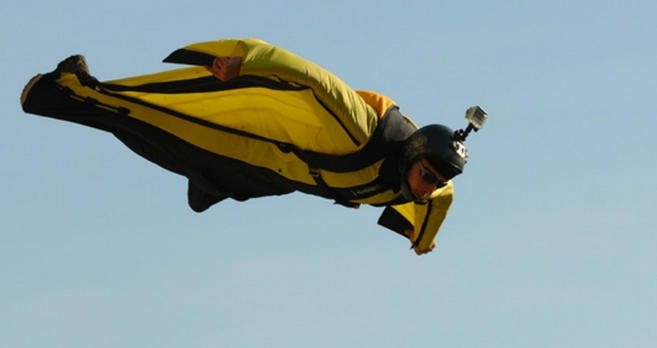
Wingsuit flying is an exhilarating adventure that combines the thrill of flight with stunning views and unmatched freedom. However, safety should always be the top priority before taking to the skies. This blog post covers essential safety checks to ensure every jump is as secure as it is spectacular.
1. Gear Inspection
Before embarking on a wingsuit flight, conducting a thorough gear inspection is critical. Check all your equipment, including the wingsuit, helmet, and parachute. Any small defect can result in catastrophic failure, so make sure you’re working with gear that’s in excellent condition. If you’re borrowing equipment, don’t hesitate to ask for its service history.
In addition to inspecting your wingsuit and parachute, pay attention to your harness and any connected attachments. Confirm that all straps are intact and functioning, and verify that your altimeter is calibrated and working. This detailed inspection is not just a formality; it’s part of your commitment to safety.
-
- Examine your wingsuit for any tears or wear.
-
- Inspect your parachute for proper folding and no snags.
-
- Check your harness for any significant fraying or damage.
-
- Verify that your altimeter is functional.
-
- Ensure that your helmet is free from cracks and fits snugly.
2. Weather Conditions
Understanding and evaluating the weather is paramount before any wingsuit flight. Wind speed and direction can significantly impact your jump, making it essential to check local meteorological reports. Ideal conditions include clear skies with minimal wind—anything more could pose risks during flight and landing.
Additionally, be aware of microclimates that could affect your specific jump area. Conditions can change quickly in mountainous terrains, so it’s advisable to stay updated on weather patterns and discuss your findings with experienced jumpers. Weather plays a vital role in ensuring a safer and more enjoyable experience.
-
- Consult multiple weather sources for reliability.
-
- Avoid jumping in wind speeds exceeding 10–15 mph.
-
- Review any potential storm systems in the vicinity.
-
- Keep an eye on temperature changes that could affect your gear.
-
- Discuss weather conditions with peers and experts.
3. Jump Plan and Communication
A well-thought-out jump plan is essential for safety in wingsuit flying. This includes details such as the jump altitude, exit point, and flight path. Developing a clear plan not only boosts your confidence but also improves teamwork with fellow jumpers, as everyone understands their roles and responsibilities.
Effective communication is equally vital before takeoff. Ensure that you discuss your plan with all jump members and agree on signals or calls to use during the flight. This promotes situational awareness and helps prevent collisions during the jump. Solid communication leads to smoother, more controlled flights.
-
- Outline the jump plan, including exit altitude and flight route.
-
- Practice jump signals with your team before takeoff.
-
- Establish a clear landing zone to avoid hazards.
-
- Continuously check in with your team before, during, and after the jump.
-
- Assign roles for each member, such as spotter, jumper, and lander.
4. Physical and Mental Preparation
Wingsuit flying is both a physical and mental challenge. Preparing physically includes ensuring your body is in peak condition—this can mean maintaining fitness, stretching, and focusing on your breathing. A fit body can handle the rigorous demands of the flight, including quick maneuvers and sudden altitude changes.
Mental preparation is equally crucial. Before jumping, take time to visualize your flight and practice calming techniques. Anxiety and stress can detract from your focus and performance in the air. Regular practice assists in building not just skills but also confidence and mental resilience.
-
- Engage in regular physical training to enhance endurance.
-
- Practice visualization techniques to mentally prepare.
-
- Implement relaxation methods to manage anxiety.
-
- Ensure you’re well-rested before the jump.
-
- Review past jumps to gain insights for improvement.
5. Post-Jump Assessment
After your wingsuit flight, taking the time for a post-jump assessment is vital. Review your performance, focusing on what went well and what could be improved. This not only aids personal growth but also contributes to the community as your findings can assist others in enhancing their techniques.
Evaluate your equipment again to ensure everything is still in working order after the jump. Look for any signs of wear, especially in key areas that might have been impacted during landing. This diligence helps keep you and others safe for future flights.
-
- Discuss the flight with your team to exchange feedback.
-
- Check your gear for any damage sustained during the jump.
-
- Take notes on your experience for future reference.
-
- Observe other jumpers and learn from their techniques and mistakes.
-
- Consider additional training based on your performance assessment.
In conclusion, ensuring your safety before wingsuit flying is not only wise but necessary for an enjoyable experience. By following a thorough checklist that covers gear inspection, weather conditions, planning, and personal preparation, you greatly enhance your safety and overall enjoyment. So, prepare diligently, stay informed, and embrace the thrill of flight responsibly!