
Skydiving is an exhilarating sport that combines thrill and adventure, but safety is always a priority. One crucial piece of equipment every skydiver should consider is the altimeter, which measures altitude. In this post, we will compare digital and analog altimeters to help you make the best choice for your skydiving adventures.
1. Overview of Digital Altimeters
Digital altimeters utilize electronic sensors to provide altitude readings. They display information on a screen, often offering features such as altitude history and rate of descent. These modern instruments are especially popular among experienced skydivers because their measurements are typically very accurate and easy to interpret.
Many digital altimeters also come with additional functionalities like audible alarms, which alert skydivers as they approach predetermined altitudes. This feature can significantly enhance safety by allowing jumpers to focus on their surroundings while still being aware of their altitude. In a fast-paced skydive, having a reliable, immediate display is invaluable.
-
- Look for altimeters with customizable settings for different jump types.
-
- Consider models with alarm features to enhance safety.
-
- Check for battery life; some digital altimeters have rechargeable batteries.
-
- Ensure the size of the display is easy to read at a glance.
2. Overview of Analog Altimeters
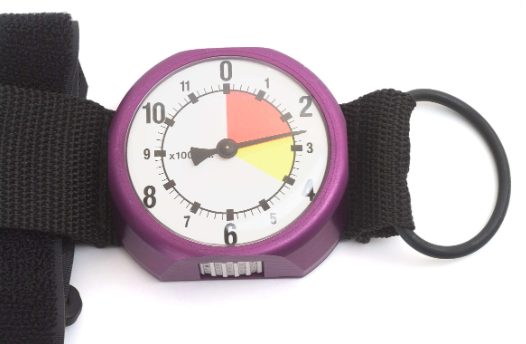
Analog altimeters, on the other hand, operate mechanically, using a dial and needle to display altitude. They are often favored by traditionalists and those who appreciate simple technology. Many skydivers believe that analog devices have a certain charm and reliability that cannot be matched by their digital counterparts.
With a straightforward design, analog altimeters are generally less prone to malfunction since they don’t rely on batteries. However, reading an analog scale may take a moment longer, especially during a high-speed descent. A quick flick of the wrist to glance at the dial might not provide the same immediate feedback that a digital readout can.
-
- Ensure the needle is clearly marked for easy reading.
-
- Choose an altimeter made from durable materials to withstand impact.
-
- Consider a version with a luminescent dial for visibility in low light.
-
- Familiarize yourself with reading an analog scale before your jump.
3. Pros and Cons of Digital vs. Analog
When comparing digital and analog altimeters, each comes with its own set of advantages and disadvantages. Digital altimeters excel in providing detailed information at a glance, often integrating other metrics like vertical speed and descent rate. However, they can be more complicated to use and may require more regular maintenance, particularly with batteries.
On the other hand, analog altimeters are typically more straightforward and durable. They don’t require an external power source, which is a significant benefit for many jumpers. However, their limitations include fewer extra features, which may not satisfy a tech-savvy skydiver looking for extensive data.
-
- Evaluate your experience level; choose based on comfort with technology.
-
- Consider your local climate; extreme conditions may affect performance.
-
- Read reviews to find reliable brands and models for skydiving.
-
- Test out both types in practice jumps to see which feels more intuitive.
4. Choosing the Right Altimeter for You
Selecting the right altimeter should depend on your skill level, preferences, and the type of jumps you plan to make. Beginners may prefer the simplicity of an analog altimeter that provides straightforward altitude readings without distractions. As you gain more experience, you may appreciate the advanced features that digital altimeters can offer.
It’s also crucial to consider factors like visibility under various conditions. A well-positioned analog altimeter can be easy to read at a glance, while a digital one might have a larger display that can be advantageous for quick reading. Moreover, purchasing from reputable brands with good customer support is essential for your long-term satisfaction.
-
- Assess your comfort level with technology before deciding.
-
- Always test out the altimeter before jumping.
-
- Consult fellow skydivers or instructors for personal recommendations.
-
- Check for warranty and service options in case of malfunction.
5. Maintenance and Care for Your Altimeter
Caring for your altimeter is crucial to ensure it operates reliably when you need it most. Digital altimeters require regular battery checks, while analog versions may need to be calibrated to guarantee accuracy. Regardless of your choice, keeping your altimeter clean and free of moisture is essential for optimal performance.
Additionally, familiarize yourself with the manufacturer’s recommendations on maintenance. Compliance with these guidelines can extend the life of your altimeter and provide peace of mind during jumps. Regular checks before and after jumps can help you catch any potential issues before they become significant problems.
-
- Regularly check the battery status on digital models.
-
- Calibrate analog altimeters as the manufacturer recommends.
-
- Store your altimeter in a protective casing when not in use.
-
- Inspect for damage after each jump and address any issues immediately.
In conclusion, whether you opt for a digital or analog altimeter, understanding the distinct features and benefits of each can significantly enhance your skydiving experience. Take the time to research and test different models to find the one that best suits your needs and enhances your safety in the sky.