
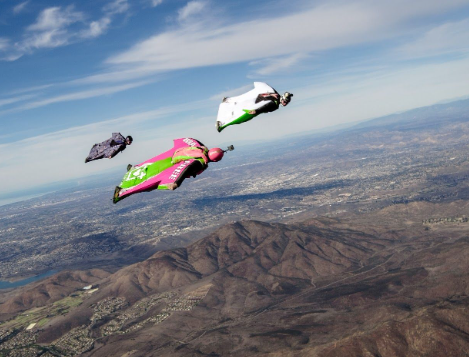
Wingsuit flying, often regarded as one of the most exhilarating extreme sports, involves gliding through the air with a specially designed suit that adds surface area to the human body. While it offers breathtaking views and unmatched adrenaline, it also carries substantial risks. Understanding the causes of wingsuit flying accidents is crucial for safety and enjoyment.
1. Human Error: The Leading Cause
Human error is often cited as the primary factor in wingsuit flying accidents. Pilots may miscalculate their jumps, fail to maintain proper altitude, or misjudge their landing zones. For instance, many novices experience a rush of adrenaline that can lead them to take unnecessary risks, such as jumping from higher altitudes or flying in hazardous conditions. These impulsive decisions can result in severe accidents.
Training and experience significantly impact a wingsuit pilot’s ability to navigate complex scenarios. In many cases, seasoned flyers know how to read the environment and adjust their trajectories effectively. Conversely, newer wingsuit pilots may lack this crucial foresight, making them more susceptible to accidents. Proper education and mentoring can help mitigate this risk by instilling critical decision-making skills.
-
- Always assess your skill level before a jump.
-
- Practice safety drills in controlled environments.
-
- Pair up with a more experienced flyer for guidance.
-
- Take your time to master basic techniques before attempting complex maneuvers.
2. Environmental Factors: A Hidden Threat
The environment plays a critical role in the safety of wingsuit flying. Weather conditions such as wind speed, visibility, and temperature can significantly affect a flight. For example, high winds can cause turbulence, making it challenging to control the wingsuit during the glide. Flyers often underestimate how quickly weather can change, which can lead to dangerous situations during or after their jumps.
Geographical features also present unique challenges. Flying in mountainous areas, for instance, can lead to sudden altitude changes or unexpected thermal currents. Pilots should always consider their surroundings before jumping and thoroughly check weather forecasts for any impending changes. This awareness can prevent many accidents related to environmental factors.
-
- Always check the weather forecast before a jump.
-
- Understand the terrain and potential hazards in your jump zone.
-
- Avoid flying in strong winds or adverse weather conditions.
-
- Communicate with fellow flyers about environmental changes.
3. Equipment Failure: The Unforeseen Risk
While wingsuit suits themselves are designed with safety and functionality in mind, equipment failure can still occur. Issues like harness malfunctions, wrong sizing, or even fabric tears can dramatically increase the risk of accidents. Regular equipment checks and maintenance are essential to ensure that everything is functioning correctly before every flight.
<pMoreover, using outdated or poorly maintained gear can be a fatal mistake. Mismatched wingsuit sizes can lead to difficulties in controlling the suit during flight, making it more challenging to steer or land safely. Investing in quality equipment and ensuring it is well-maintained can save lives.
-
- Inspect your wingsuit and gear before each jump.
-
- Replace any worn or damaged equipment immediately.
-
- Buy wingsuits from reputable manufacturers.
-
- Participate in gear maintenance workshops.
4. Lack of Communication: The Oversight
Wingsuit flying often occurs in groups, making communication vital for safety. Misunderstandings among team members during a jump can lead to catastrophic outcomes. For example, if one flyer misinterprets a signal to change direction, it can result in a mid-air collision or a dangerous situation during landing.
The importance of pre-jump briefings and solid in-air communication cannot be overstated. In many successful wingsuit teams, pilots establish clear signals and protocols, which significantly enhance their navigation and decision-making processes. Regular team training sessions can foster a culture of safety and awareness that dramatically reduces the risk of accidents.
-
- Hold team briefings before every jump.
-
- Establish clear communication signals for in-air coordination.
-
- Use radios for real-time updates where feasible.
-
- Encourage open discussions about safety concerns.
In conclusion, wingsuit flying can be a thrilling yet risky sport. Acknowledging the causes of accidents—including human error, environmental factors, equipment failure, and lack of communication—can help improve safety. Taking proactive measures and seeking thorough training will enable flyers to enjoy the sport responsibly and safely. So go ahead, embrace the adventure, but prioritize your safety every step of the way.