
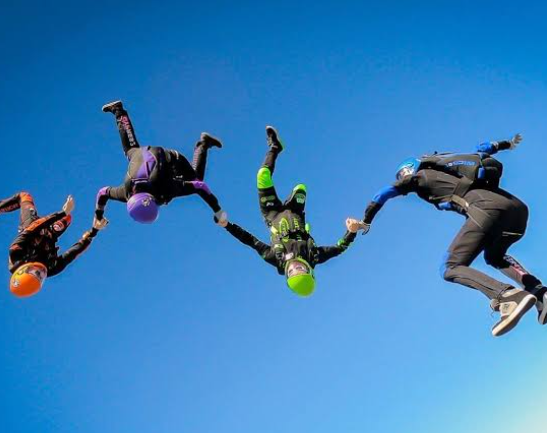
Skydiving is an exhilarating sport that combines adrenaline with teamwork, especially when it comes to group jumps. In these jumps, participants execute complex formations that require precision and coordination. Understanding various formation techniques is crucial for a successful skydiving experience, as they enhance safety and optimize the thrill of freefall.
1. The Basics of Skydiving Group Jumps
Before diving into specific formation techniques, it’s essential to grasp the fundamentals of skydiving group jumps. A group jump typically involves a minimum of three skydivers who leap simultaneously, aiming to create various configurations during freefall. Each skydiver plays a critical role, whether they are part of a static formation or performing maneuvers to change positions.
The initial planning stage is vital. Jumpers need to discuss their objectives and establish safety protocols. Communication among team members is key, as it dictates how effectively each jumper can react and adapt during the formation. Importantly, skydivers should have an understanding of altitudes for deployment to ensure safe openings and minimize risks.
-
- Conduct a pre-jump briefing to discuss roles and formations.
-
- Choose a jump altitude that suits the number of participants.
-
- Establish communication signals for various maneuvers.
-
- Ensure all participants are equipped with appropriate gear.
2. Popular Formation Techniques
Various formation techniques exist in skydiving, each suited for specific objectives and jump styles. One of the most commonly used formations is the “Star,” where jumpers assemble in a circular pattern, connecting at hand grips. This formation allows for a synchronized descent and is a great starting point for beginners aiming to improve their coordination.
Another popular technique is the “Diamond” formation. Here, four jumpers create a diamond shape with two on top and two below. This setup not only looks visually impressive but also facilitates smooth transitions between formations. Both formations require practice and timing to maneuver effectively, and understanding the dynamics of relative positions is crucial.
-
- Practice basic formations before attempting advanced techniques.
-
- Communicate continuously during the jump for smooth transitions.
-
- Perform drills on the ground to build muscle memory.
-
- Utilize visual cues to enhance coordination among jumpers.
3. Safety Considerations in Group Jumps
Safety is paramount in skydiving, especially during group jumps. When coordinating movements with multiple participants, the risk of mid-air collisions increases. To mitigate this, jumpers must maintain a safe distance from one another, especially during transitions between formations.
Additionally, each jumper should be hyper-aware of their altitude and surroundings. Using altimeters effectively is essential for safe deployment. Establishing clear altitude calls during freefall can help ensure that everyone is aware of when to prepare for opening their parachutes, further enhancing safety during group jumps.
-
- Maintain a safe distance between jumpers at all times.
-
- Utilize altimeters for timing and altitude awareness.
-
- Call out altitude cues consistently during the jump.
-
- Conduct post-jump debriefs to identify areas for improvement.
Skydiving group jumps are an exciting way to blend thrill and teamwork, but they require careful planning and execution. By mastering formation techniques and prioritizing safety, jumpers can maximize their enjoyment and minimize risks. So, if you’re looking to take your skydiving skills to the next level, consider practicing these techniques and always remember to consult a professional instructor for guidance.