
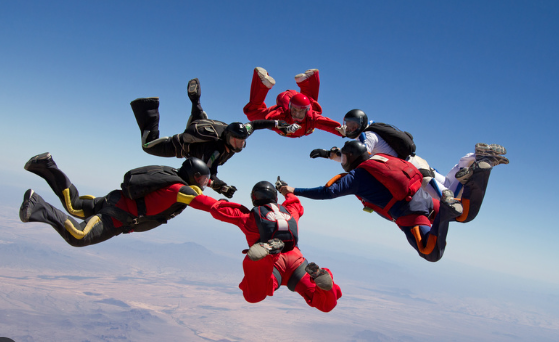
Skydiving is an exhilarating adventure that many thrill-seekers long to experience. However, it’s crucial to understand the emergency procedures that can ensure your safety during a jump. Knowledge of these procedures not only prepares you for unforeseen situations but can also increase your confidence as you soar through the sky.
1. Understanding Your Equipment
One of the foremost steps in preparing for a safe skydive is familiarizing yourself with your parachute system. Knowing how to properly strap in, operate, and release the parachute can be the difference between a smooth landing and a disaster. Make sure you can identify the main parachute, reserve parachute, and the automatic activation device (AAD), and understand how each component functions.
When checking your gear, ensure that the parachute lines are not tangled, the harness fits securely, and all buckles are fastened correctly. Conducting a thorough pre-jump check with an instructor or experienced jumper can help catch issues before you take the leap. Remember that your life depends on this equipment, so take the time to know it inside and out.
-
- Always double-check your gear before each jump.
-
- Familiarize yourself with the parachute system layout.
-
- Practice emergency procedures on the ground before jumping.
-
- Ask experienced jumpers for tips on gear maintenance.
2. Responding to Main Parachute Malfunctions
In the rare event of a main parachute malfunction, knowing how to react can save your life. Common malfunctions include line twists, partial openings, and complete failures. If you encounter a line twist, for example, quickly assess your situation before acting. You can often resolve this by twisting your body in the direction opposite to the twist while keeping an eye on the canopy.
For more serious situations like a complete parachute failure, the Emergency Procedure requires you to pull the reserve parachute’s release cord immediately. Most parachute systems are designed with a quick-and-easy process to transition to the reserve chute, so make sure you practice that maneuver during training. Remember, time is of the essence, and remaining calm can significantly improve your chances of a safe landing.
-
- Stay calm and assess the situation quickly.
-
- Practice identifying different types of malfunctions during training.
-
- Always memorize the steps to activate your reserve chute.
-
- Communicate effectively with your instructor about emergency scenarios.
3. Emergency Landing Techniques
During an emergency, knowing how to land safely can be your final challenge before touchdown. Whether you need to land in an unplanned location or you find yourself in challenging terrain, understanding how to maneuver your parachute for a safe landing is crucial. Techniques like flaring at the right time, managing your descent rate, and ensuring your body is positioned correctly can make all the difference.
In case of landing in an unexpected area, prioritize body position. Keep your legs bent and body relaxed. Use your arms to steer the parachute while keeping an eye on the ground to ensure a safe landing spot. This adaptability is vital, especially with changing weather or wind conditions during the descent.
-
- Always be aware of your surroundings during the descent.
-
- Pay attention to the wind direction and adjust your landing accordingly.
-
- Practice proper landing techniques during training jumps.
-
- Keep your body relaxed to minimize the impact during landing.
Skydiving can be one of the most exhilarating experiences of your life, but it is not without risks. Engaging with emergency protocols beforehand can enhance your safety and enjoyment of the jump. Always consult with experts and stay committed to ongoing training to build your skills and confidence in the skies.