
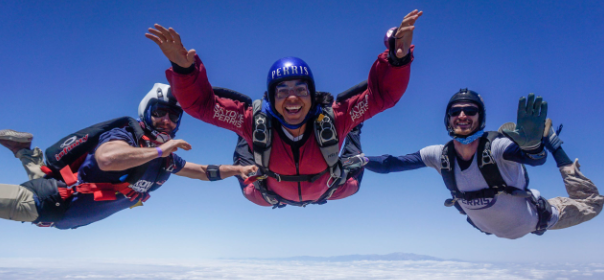
Skydiving is an exhilarating adventure that many dream of experiencing. As you consider taking this thrilling leap into the sky, a common question arises: can you skydive alone on your first jump? In this post, we’ll explore the requirements, training processes, and safety considerations you need to be aware of.
1. Understanding Tandem Skydiving
If you’re a first-time skydiver, the most popular option is tandem skydiving. In this style of jump, you are securely harnessed to a trained instructor who manages the entire experience for you. This method not only ensures your safety but also helps reduce anxiety, allowing you to enjoy the breathtaking views without worrying about the technical details.
Tandem skydiving requires minimal preparation; typically, a short briefing before your jump will cover the basics. During the jump, your instructor will make sure you are positioned correctly for a safe and enjoyable descent. Most skydiving centers recommend tandem jumps for beginners, as they provide a seamless introduction to the world of free-falling.
-
- Choose a reputable skydiving center.
-
- Attend the safety briefing attentively.
-
- Be aware of how to position your body during free-fall.
-
- Trust your instructor’s guidance throughout the experience.
2. The Solo Jump Option
While most first-timers will skydive in tandem, you may wonder whether you can jump solo on your first experience. The short answer is no; you cannot skydive alone as a first-timer. Skydiving alone requires specific training, such as the Accelerated Freefall (AFF) course, which includes both ground school and several solo jumps. The ACC course prepares you to handle skydiving independently, covering essential topics like aircraft exit technique, freefall control, and safe landing procedures.
The AFF course typically spans multiple jumps, and the training can take a few days, depending on your individual progress. During these jumps, you have instructors present to ensure you’re on track and can execute the necessary skills. Once all requirements are met and you demonstrate competency, you can eventually progress to solo jumps. Until then, you need the guidance of a trained professional to ensure your safety.
-
- Enroll in an Accelerated Freefall (AFF) program when ready.
-
- Complete ground school to understand the basics.
-
- Practice your skills during instructor-assisted jumps.
-
- Gain sufficient jumps and training before attempting solo jumps.
3. Safety Considerations When Skydiving Alone
Safety is paramount in skydiving, especially for beginners. As you consider transitioning to solo jumps, it’s essential to have a robust understanding of safety protocols. This involves knowing your parachute system, maintaining altitude awareness, and executing the correct landing procedures. Even experienced skydivers must continuously review and practice safety rules to minimize risks associated with jumps.
Once you are certified to skydive alone, you should always perform pre-jump checks to ensure that all gear is in proper working order. Any issues must be addressed before taking off. Also, familiarize yourself with emergency procedures and ensure that you can react calmly and effectively in any situation that may arise during a jump.
-
- Understand your parachute and how to operate it safely.
-
- Conduct thorough equipment checks before every jump.
-
- Review emergency procedures and best practices.
-
- Jump with experienced skydivers when you are going solo.
4. Transitioning to Solo Skydiving
After completing the tandem jumps and possibly the AFF course, you might feel eager to transition to solo skydiving. This transition is gradual and must be approached with care and diligence. Most centers require a certain number of jumps, along with demonstrating proficiency in all required skills, before one can skydive alone confidently. Keep in mind that transitioning can vary by skydiving center, and each may have different rules and certifications.
It’s advisable to seek mentorship from experienced skydivers during this phase of your journey. Their insights can be invaluable as you work to master all aspects of the sport. Additionally, continuing to train and practice regularly will boost your skills and confidence level, helping make your solo jumps enjoyable and safe.
-
- Stay committed to regular training and practice.
-
- Seek feedback from instructors and experienced skydivers.
-
- Keep a log of your jumps and progress.
-
- Stay informed about any regulatory changes in skydiving.
In conclusion, while skydiving solo on your first attempt isn’t an option, the tandem experience provides an excellent introduction to the sport. By following the proper training routes and focusing on safety, you can eventually reach a level where solo jumps become a thrilling reality. So, take the plunge—reach out to a professional skydiving center today to embark on this exhilarating adventure!