
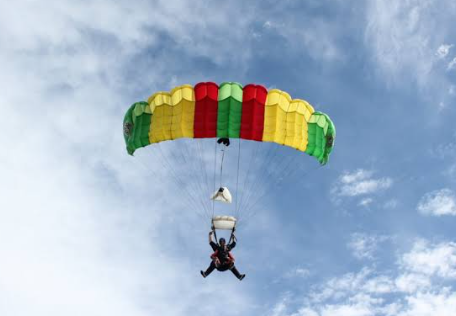
Paragliding and skydiving both offer thrilling experiences, capturing the hearts of adventure seekers worldwide. However, a common question arises: which of these two exhilarating activities is more dangerous? This blog post will explore the risks associated with each sport, helping you make an informed decision for your next adventure.
1. Understanding the Risks of Paragliding
Paragliding involves launching from a height and gliding through the air with a fabric wing. While it’s often viewed as a serene way to enjoy aerial views, paragliding does come with its own set of risks. Factors such as weather conditions, launch and landing techniques, and pilot experience play crucial roles in enhancing safety. For instance, poor weather can lead to turbulence, making the experience nerve-wracking and increasing the potential for accidents.
Injuries in paragliding are often linked to failure in landing techniques or equipment malfunctions. Pilots must continuously monitor their surroundings, as changes in wind speed or direction can significantly alter their flight path. Training and experience can mitigate risks, but it’s essential to always be prepared for unexpected circumstances.
-
- Always check the weather before your flight.
-
- Attend comprehensive training and seek guidance from certified instructors.
-
- Inspect your equipment regularly for any wear and tear.
-
- Practice proper landing techniques to reduce injury risk.
2. Examining the Dangers of Skydiving
Skydiving consists of jumping from an aircraft and free-falling before deploying a parachute. It offers a rush like no other, but this thrill doesn’t come without dangers. The primary risks include parachute failure, mid-air collisions, and complications during the landing phase. Unlike paragliding, once a skydiver exits the plane, they cannot control their descent without the parachute.
The probability of severe injury or fatalities in skydiving is an important statistic to consider. According to the United States Parachute Association (USPA), the fatality rate is about 0.39 deaths per 11,000 jumps, showing how relatively safe the activity can be with proper precautions. The key to staying safe lies in meticulous planning, proper equipment, and adherence to safety protocols.
-
- Choose a reputable skydiving center with certified instructors.
-
- Always check your equipment before each jump.
-
- Participate in safety briefings and follow guidelines closely.
-
- Stay calm during free-fall; panic can lead to poor decision-making.
3. Comparing Safety Protocols
Both paragliding and skydiving have established safety protocols designed to minimize risk. In skydiving, regulations are enforced by governing bodies like the USPA, which ensure that skydivers undergo proper training and adhere to strict safety measures. Similarly, paragliding organizations provide training and resources to ensure pilots understand the intricacies of flight safety.
In terms of training, skydivers typically go through comprehensive programs lasting several hours to weeks, depending on the type of jump. Paragliding, on the other hand, may involve fewer training hours but emphasizes understanding wind patterns and emergency procedures. Both sports strongly emphasize the importance of experience—newbies should consider tandem flights or guided experiences before venturing out independently.
-
- Adhere to safety regulations specific to your sport.
-
- Participate in a thorough pre-flight briefing.
-
- Understand emergency procedures before taking off.
-
- Keep your skills refreshed with regular practice.
4. The Psychological Aspects of Each Sport
The psychological impact of paragliding and skydiving cannot be overlooked. Many individuals experience varying degrees of fear before their first jump or flight. Paragliding often provides a more gradual introduction to flying, allowing individuals to relish the landscape at their own pace. This leisurely approach can help reduce anxiety, as pilots have more time to adjust and take in the experience.
Conversely, skydiving can involve an immediate adrenaline rush, as the excitement mounts quickly while waiting to jump from the aircraft. This high-energy environment can be exhilarating, but it may also induce fear or panic. To combat these feelings, skydivers are encouraged to rehearse breathing techniques and mental strategies for managing anxiety. Both sports can be empowering, fostering a sense of accomplishment once completed.
-
- Understand your emotions and practice breathing exercises.
-
- Visualize successful flights or jumps to combat fear.
-
- Discuss your concerns with instructors before participating.
-
- Start with tandem flights to build confidence.
In conclusion, both paragliding and skydiving carry risks, but with proper training and adherence to safety protocols, they can be enjoyed safely. Consider your comfort level, preferences, and experience before choosing between the two. Regardless, always consult with professionals and prioritize safety on your next airborne adventure!