
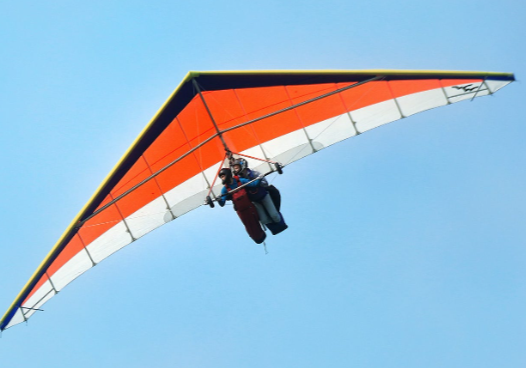
Hang gliding offers a unique blend of adventure and tranquility, allowing you to soar high above the earth like a bird. For first-time flyers, the experience can be both exhilarating and intimidating. This guide aims to break down the basics of hang gliding, ensuring you are well-prepared for your first flight.
1. Understanding the Equipment
Before you take to the skies, it’s essential to familiarize yourself with the hang gliding equipment. The main piece of gear is the hang glider itself, which consists of a rigid frame covered with a lightweight fabric. You will also wear a harness that connects you to the glider, providing support and security during your flight. Understanding how to check and maintain your equipment ensures a safer flying experience.
Additionally, you’ll need several other essential items, including a helmet for safety and appropriate clothing that accommodates weather conditions. A thorough knowledge of your equipment will not only boost your confidence but will also contribute to the overall safety of your flight. Always ensure your gear is in good condition before heading out.
-
- Inspect the hang glider for any damage or wear.
-
- Check the harness for proper adjustments.
-
- Wear a well-fitted helmet that meets safety standards.
-
- Dress in layers to accommodate changing weather conditions.
-
- Know your equipment’s weight limits and specifications.
2. The Flight Basics
Now that you are acquainted with the equipment, let’s talk about the basics of flight itself. Hang gliding primarily involves launching, flying, and landing safely. Your instructor will guide you through the process, often utilizing a training hill to practice techniques before heading to higher altitudes. Mastering the launch phase is crucial, as it sets the tone for the rest of your flight.
During flight, maintaining balance and controlling your glider is key. You’ll primarily use your body weight to steer the glider, shifting your weight left or right to turn. Learning to control your speed will also help you maneuver through the air. Remember, practice makes perfect, and following your instructor’s guidance will build your skills and confidence.
-
- Practice launching on a training hill before going higher.
-
- Focus on shifting your weight for turns instead of relying solely on the controls.
-
- Beginner pilots should always fly with a certified instructor.
-
- Pay attention to weather conditions; wind can drastically affect flight.
-
- Communicate with your instructor throughout your flight.
3. Safety Measures and Regulations
Safety should always be your top priority when hang gliding. Before your flight, ensure you are aware of local regulations and guidelines specific to hang gliding in your area. Each region may have its own rules regarding airspace usage, weight restrictions, and operational procedures you must follow. Flying without knowledge of these regulations can lead to dangerous situations.
Another vital aspect of safety is to conduct pre-flight checks and discuss emergency procedures with your instructor. Understanding how to handle various flight scenarios will give you peace of mind as you take to the skies. Remember, safety gear like reserve parachutes and radios for communication can be lifesavers in unexpected situations.
-
- Familiarize yourself with local hang gliding regulations.
-
- Always conduct a pre-flight equipment check.
-
- Discuss emergency procedures with your instructor in advance.
-
- Use appropriate safety gear, including reserve parachutes.
-
- Stay informed about weather forecasts before each flight.
4. Choosing the Right Instruction
Choosing the right instructor is crucial for your hang gliding journey. Look for certified schools and instructors with good reviews and experience. They should focus on providing a safe, educational experience, balancing instruction with hands-on training. Take your time to research, ensuring you’re comfortable with the instructor’s approach and teaching style.
Don’t hesitate to ask questions during your learning process. Understanding the various aspects of hang gliding, including potential risks and precautions, will enrich your experience. A great instructor will not only teach you how to fly but also foster a supportive environment conducive to learning and safety.
-
- Research certified hang gliding schools in your area.
-
- Check online reviews and testimonials from former students.
-
- Meet with potential instructors before your first flight.
-
- Discuss their teaching methods and emergency protocols.
-
- Don’t rush; ensure you’re comfortable with your choice of instructor.
5. Post-Flight Reflection
After your inaugural hang gliding flight, take time to reflect on your experience. Discuss your feelings and thoughts with your instructor, as they can provide valuable insights and corrective feedback. This conversation can also enhance your learning experience by addressing any uncertainties you may have experienced during flight.
Keeping a flight log is another excellent practice for tracking your skills as you progress. Jot down details about your flights, including conditions, distance, and maneuvers practiced. This journal will help you measure improvement and highlight areas that might need more focus in subsequent lessons.
-
- Discuss your experience with your instructor post-flight.
-
- Keep a detailed flight log to track your progress.
-
- Reflect on what went well and what could be improved.
-
- Set goals for your next flight to enhance your skills.
-
- Stay engaged with the hang gliding community for ongoing learning.
In conclusion, hang gliding can be an incredibly rewarding experience if approached with the right knowledge and preparation. Start your adventure by researching local schools and certified instructors, and ensure you understand the equipment and safety measures. With a bit of planning and practice, you’ll be well on your way to enjoying the thrill of soaring through the skies.